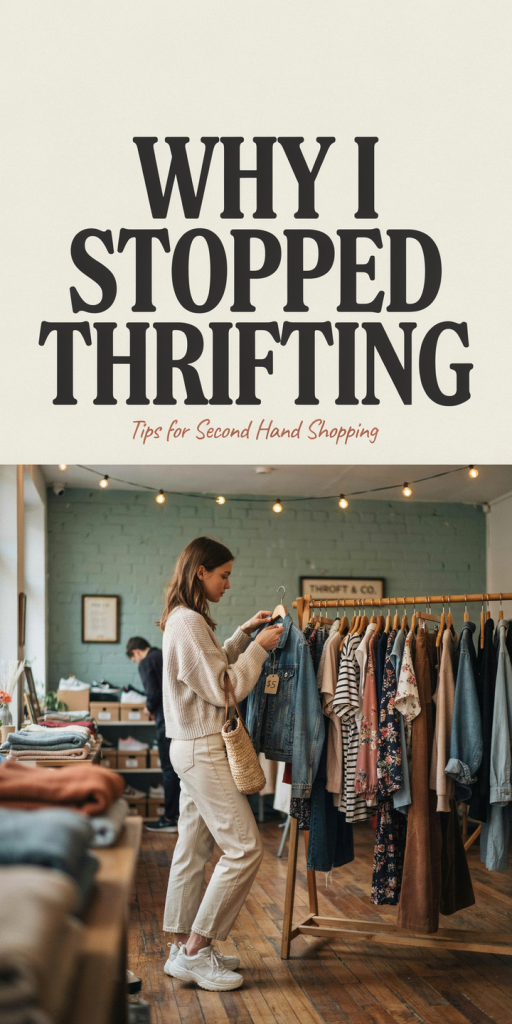
I used to spend weekends at thrift stores hunting for bargains — then I stopped. Not because I don’t love a good find, but because I realized I could shop smarter, protect my family’s health, and even turn secondhand shopping into ways to bring in extra income without sacrificing time with my kids. This post is for stay-at-home moms who want practical, actionable tips for safe, efficient secondhand shopping — plus real business ideas you can start from home using the things you already know how to find and fix.
Idea 1 — Resell Curated Secondhand Clothing Online
Description
– Curated reselling means you shop selectively for quality, brand-name, or vintage pieces and sell them online at a markup. It’s perfect for moms who already know kids’ or women’s sizing, trends, and what sells.
Practical setup steps
1. Decide niche (kids, maternity, vintage, designer). Narrowing helps you price and photograph faster.
2. Create listings on resale platforms (choose two or three to begin). Write clear descriptions, take bright photos, and list sizes/measurements.
3. Price competitively — research similar listings and include shipping in the total cost when possible.
4. Build simple processes: batch photographing, pre-set descriptions, and a clear returns/cleaning routine.
5. Promote listings on Pinterest and pin your best finds to attract buyers.
Estimated startup costs
– Basic supplies (camera phone already fine): $0–$50 for a tripod and lighting
– Cleaning supplies and small repairs: $10–$40
– Optional fees (platform fees, promoted listings): $20–$100 to start
Want a fast way to kickstart a profitable part-time hustle?
Idea 2 — Flip Small Furniture and Home Décor
Description
– Buying worn-but-solid pieces and refinishing them for resale — think painted dressers, reupholstered chairs, and thrifted frames turned into gallery sets. This is hands-on, creative, and you can control how many hours you invest.
Practical setup steps
1. Start with small, manageable projects (side tables, picture frames). Avoid structural repairs until you’re comfortable.
2. Learn basic techniques (sanding, painting, applying finishes, basic upholstery). Free tutorials and community classes work well.
3. Price to include materials, labor, and pickup/delivery time. Offer local pickup or low-cost delivery to broaden buyers.
4. Photograph “before and after” to show transformation — these make great social posts for Pinterest.
Estimated startup costs
– Basic tools and supplies: $50–$200
– Paint, brushes, sandpaper, new hardware: $20–$80 per piece
– Optional: small workspace/easels — $0–$100
Idea 3 — Kids’ Clothing Subscription or Seasonal Resale Box
Description
– Assemble curated boxes of gently used kids’ clothing by size/season and sell them as a subscription or one-off seasonal box. Parents love convenience and affordability.
Practical setup steps
1. Source clean, high-quality pieces from thrift stores, neighborhood sales, or community swaps.
2. Create subscription tiers (delivery frequency, number of items, optional themes).
3. Build a simple sign-up page (consider resources for website hosting if you want a dedicated site).
4. Use simple social posts and Pinterest boards to show sample boxes and unboxings.
Estimated startup costs
– Initial inventory and cleaning: $50–$200
– Packaging and shipping supplies: $20–$60
– Optional website and payment setup: $5–$20/month for website hosting
Idea 4 — Mending, Alterations, and Clothing Refresh Service
Description
– Offer alterations, small repairs, and refresh services (replace buttons, hem pants, patch holes) locally. Many parents and busy professionals prefer a quick, affordable fix over buying new.
Practical setup steps
1. Gauge demand in your community — post in neighborhood groups and on community boards.
2. List services, turnaround times, and prices. Offer pick-up/drop-off for an extra fee if feasible.
3. Set up a workspace with a good sewing machine and basic tools. Start with simple tasks before offering advanced alterations.
4. Use freelancing platforms like Upwork or Fiverr if you want to offer remote consulting (fit advice, measuring help) or to find short-term help to scale.
Estimated startup costs
– Sewing machine and tools: $50–$300 (used machines are fine)
– Thread, needles, basic supplies: $10–$40
– Marketing and basic listing costs: $0–$50
Idea 5 — Upcycled Home Décor and Handmade Goods
Description
– Turn thrifted materials into new products: lamps from bottles, planters from teacups, or textile art from vintage linens. Sell on local marketplaces or online as a handcrafted brand.
Practical setup steps
1. Decide on a product line that fits your style and time investment.
2. Create a few prototypes and test pricing at craft fairs or in online groups.
3. Scale by batching production: set aside fixed hours per week for making and photographing items.
4. Promote your shop using Pinterest and consider using social media scheduling tools to plan consistent posts.
Estimated startup costs
– Craft supplies and small tools: $20–$150
– Packaging and shipping basics: $10–$50
– Optional online store and website hosting: $5–$20/month
Practical secondhand shopping tips that help all these ideas
– Sanitize and inspect every item: Wash fabrics, clean hardware, and look inside seams for damage. A little cleaning increases resale value and protects your family.
– Learn quick repair basics: Hemming, sewing a button, and removing stains are skills that save time and money.
– Shop off-peak for the best finds: Weekday mornings and end-of-season sales at thrift stores are goldmines.
– Track spend and margin: A simple spreadsheet helps you avoid overpaying and identifies your best-selling categories.
– Build an online presence: If you decide to grow, consider starting a blog about your thrift finds and process to attract customers organically. Pair a blog with good website hosting and a plan for sales funnels to convert visitors into buyers.
– Outsource smartly: For photos or busywork, hire help through Upwork or Fiverr.
– Test low-cost ideas: Try selling a few items first before investing in inventory or a big website. You can also earn small extra income between projects by doing surveys while you’re waiting for drops at the thrift store.
A few final, practical reminders
– Keep a small kit in your car: tape measure, stain remover, a spare bag for purchases, and cash. It makes quick decisions easier.
– Prioritize what you enjoy. If painting furniture drains you, focus on kids’ clothes or simple upcycles that fit around naps and school runs.
– If you want to scale beyond spare-time income, look into starting your blog to showcase your brand, use targeted Pinterest traffic, and set up a simple sales funnel to collect emails and repeat customers.
Secondhand shopping doesn’t have to be chaotic or wasteful — it can be a mindful, profitable way to outfit your family and build small income streams. Start small, protect your time and health, and try one idea that fits your schedule. You’ll soon know which finds are worth your time and which ones to pass up.