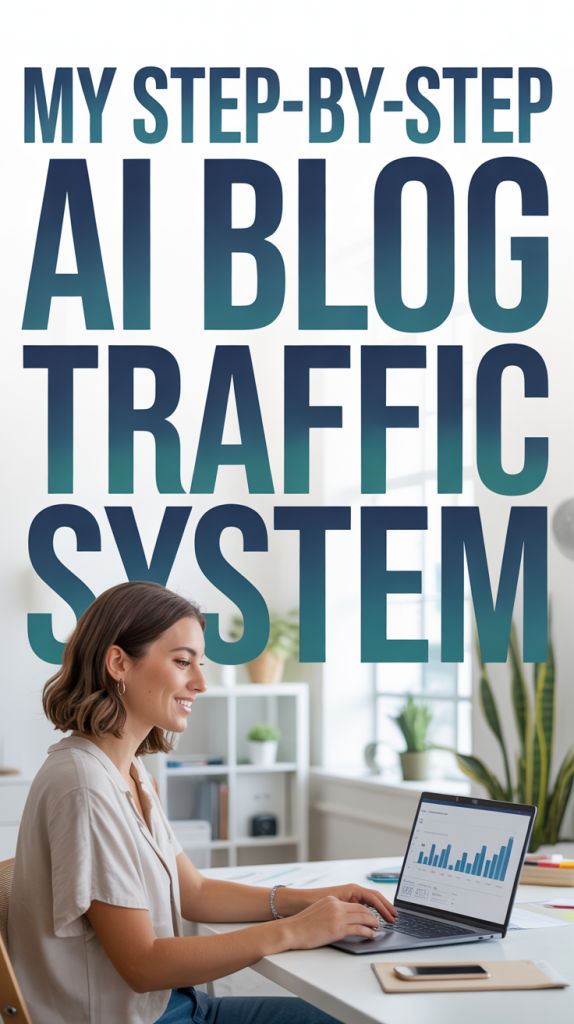
We built a repeatable system that turns AI, automation tools, and a handful of human checkpoints into predictable blog traffic growth. This isn’t vaporware or “set it and forget it” hype, it’s a practical workflow we run weekly that finds high-intent topics, drafts optimized posts, publishes them, promotes them across channels, and measures what actually moves the needle. In this text we break down the exact steps, tools, metrics, and guardrails we use so you can replicate the process and automate your blog traffic with AI responsibly and reliably.
System Overview And Goals
What Automation Actually Does
Automation removes repetitive, time-consuming parts of content operations so we can focus on strategy and quality control. For us that means: automated topic discovery, AI-assisted drafting, SEO optimization hooks, scheduled publishing, outreach sequences, and measurable promotion. Automation doesn’t replace human judgment, it accelerates it. We let AI propose, draft, and optimize: our team verifies intent, tone, and factual accuracy before anything goes live.
Key Metrics And Targets
We track a compact set of metrics that correlate with sustainable traffic growth: organic sessions, impressions (Search Console), ranking positions for target keywords, click-through rate (CTR), and conversion events (email signups or micro-conversions). Short-term targets are pragmatic: publish 4–8 optimized posts per month, reach top 10 for 30% of targeted keywords within 3 months, and grow organic sessions 15–25% quarter-over-quarter. Those targets keep the automation meaningful and measurable.
Core Tools And Integrations
Our stack is intentionally modular: a keyword research tool (Ahrefs / SEMrush), AI writing + editing (ChatGPT / Claude, plus human editors), on-page optimization (SurferSEO / Clearscope), automation platform (Zapier / Make), CMS (WordPress or Ghost), analytics (GA4 + Search Console), and an outreach/CRM tool for link building (Pitchbox or a custom Gmail + Google Sheets workflow). Small integrations, webhooks from the AI draft generator into the CMS, scheduled social posts from the content calendar, and alerts into Slack, glue the system together.
Ready To Build A More Flexible Income Stream?
Step 1: Plan Audience, Topics, And Keyword Intent
Quick Audience Mapping With AI Prompts
We start by clarifying who we’re writing for. A quick AI prompt helps us map audience segments: job titles, pain points, search behavior, and preferred content formats. For example, we prompt the model: “List five primary pain points for mid-level product managers searching for user testing tools, and their likely search intents.” The output becomes audience bullets that guide tone and CTA placement.
Seed Keyword Lists And Intent Tagging
Next we generate seed keyword lists from niche topics, competitor landing pages, and forum threads. We use Ahrefs to expand these seeds, then run automated intent-tagging (informational, navigational, transactional) with a simple script or an AI batch prompt. That intent tagging dictates content format: long-form how-to for informational queries, comparison pages for transactional queries, and FAQ snippets for voice/search features. This saves us wasted effort on low-intent keywords and helps the AI draft precisely what searchers want.
Step 2: Automate Research And Content Planning
Automated SERP Gap And Competitor Analysis
We run automated SERP-gap checks weekly. The process: pull top 10 results for each target keyword (via API), extract headings and common subtopics, and compare against our existing content. A lightweight Python script or a tool like Ahrefs’ Content Gap does the heavy lifting. The output identifies missing subtopics and low-effort wins where we can outrank competitors with better structure or fresher data.
Generate Topic Briefs And Content Calendar
With the gaps identified, we auto-generate topic briefs using AI templates: target keyword, search intent, primary angles, required sections, suggested internal links, and data sources. These briefs populate a content calendar in Google Sheets or Notion via Zapier. We prioritize briefs by estimated traffic potential and ease-of-ranking (a simple score combining volume, difficulty, and topical relevance). This keeps a rolling 8–12 week pipeline without manual scheduling headaches.
Step 3: Automate Content Creation, Optimization, And Publishing
AI Drafting Templates And Human Editing Checkpoints
We use AI to produce first drafts from the briefs. Templates ensure consistency: title variants, intro hooks, section outlines, and a call-to-action. After generation, an editor runs a two-pass check: factual accuracy and voice/style. We keep a short checklist, verify any claims, add proprietary examples, and localize language. This hybrid approach reduces writer-hours while protecting quality.
On-Page SEO Automation (Headings, Meta, Schema)
On-page optimization is partially automated. A tool like SurferSEO or a custom script evaluates headings, keyword density, and semantic terms: it suggests H2/H3 structures for density and relevance. Meta titles and descriptions are drafted by AI and then reviewed. We also inject basic structured data (Article schema, author, publish date) via CMS plugins or a templated JSON-LD snippet to improve SERP appearance.
CMS Workflows And Scheduled Publishing
Drafts move from our editorial queue into the CMS automatically with metadata and featured image placeholders. We use Zapier or Make to schedule publishing, trigger social posts, and create an email draft for our subscriber list. Publishing is gated: a final human approval confirms links, images, and internal linking before the post goes live.
Step 4: Automate Promotion, Backlinks, And Repurposing
Outreach Sequences And Link-Building Automation
After publish, automated outreach sequences start. We have templates for resource link requests, expert roundup invitations, and guest-post pitches. Using an outreach tool or a Zapier-driven Gmail sequence, we send personalized emails at scale and log replies in a sheet or CRM. For quality, we only automate initial outreach and handle negotiations manually.
Repurposing For Social, Email, And Syndication
Every post feeds a repurposing workflow: AI generates tweet threads, LinkedIn summaries, and short captions for Instagram or TikTok. Those assets queue into Buffer or Hootsuite for staggered posting. We also auto-create an email draft summarizing the post for our newsletter and push syndicated versions to Medium or LinkedIn (with canonical tags) to expand reach.
Paid Promotion And Audience Targeting Automation
For high-potential posts, we automate small-budget paid tests. An ad template paired with landing page and tracking parameters launches via Facebook/Meta or Google Ads APIs. We use lookalike audiences informed by our email list and retarget site visitors with the new content, automated rules pause or scale spends based on CTR and conversion thresholds.
Step 5: Measure, Test, Iterate, And Scale
Dashboards, Attribution, And Alerts
Measurement is non-negotiable. We maintain dashboards in Looker Studio or a simple Google Sheet that pulls GA4, Search Console, and Ahrefs data. Alerts notify us when a post gains or loses rankings, or when traffic spikes unexpectedly. Clear attribution helps us see which automation steps (SEO tweaks, outreach, paid tests) produced results.
A/B Testing, Experiments, And Versioning
We run controlled experiments: alternate titles, meta descriptions, and CTAs across cohorts. Versioning lives in the CMS (draft variants) and we use tools like Google Optimize or server-side split tests to measure impact. Small improvements compound, a 5–8% uplift in CTR on multiple posts translates to meaningful traffic gains over months.
Maintenance, Quality Control, And Risk Management
Automation needs guardrails. We schedule quarterly audits for content accuracy, link rot, and outdated best practices. Human review protects brand voice and reduces factual drift. We also maintain an “AI rollback” plan: if a batch of automated posts underperforms or triggers issues, we pause the pipeline, revise prompts, and rework affected pieces before scaling again.
Automating blog traffic with AI works when you treat automation as a force multiplier, not a replacement for editorial judgment. Our step-by-step system maps audience intent, automates research and drafting, optimizes on-page SEO, promotes and repurposes smartly, then measures and iterates. If you adopt this approach, start small: automate one part of the workflow, validate outcomes, and expand. Over time those incremental automations compound into a steady, scalable stream of qualified organic traffic that frees us to focus on strategy, unique insights, and product-led growth.