Why almost every blogging strategy I tried fell short
Description
– Early on I treated blogging like publishing: write lots of posts, hope traffic grows, monetize with ads and random affiliate links. That produced eyeballs but not reliable income.
– Other tactics—Pinterest-only posts, chasing Google updates, or launching low-effort freebies—created spikes but not a predictable path to buyers.
Actionable tips
– Stop treating content as content-only: every post should have a clear next step for the reader (opt-in, buy, book).
– Measure conversions per post, not just pageviews. Install analytics and track opt-in and purchase flows.
Real-world context
– One blog post had 5,000 monthly visitors but zero email signups because there was no content upgrade or CTA. Converting that post into a lead magnet gateway later produced 150 subscribers a month.
Ready for a guided, five-day action plan?
The strategy that made me $8,467: an evergreen content-to-offer funnel
Description
– The core idea is simple: use high-traffic, intent-driven blog content as the top of a funnel, capture interested readers with a targeted lead magnet, nurture with a short email sequence that builds authority and trust, and present a core offer (low-ticket tripwire + main course or service) with an ethical upsell.
– I focused on “intent” content—how-to guides, comparison posts, and problem-solving resources readers search for when they’re ready to take action.
Actionable tips
– Identify 3–5 posts that already get organic search traffic and are buyer-intent (e.g., “best blog hosting for beginners,” “how to create a lead magnet”).
– Create a related, high-value lead magnet (cheat sheet, mini-course, swipe files) tailored to each pillar post.
– Build a 5-email nurture sequence: welcome, value, case study, FAQ/overcome objections, offer.
Real-world context
– I turned a “how to grow a blog” pillar post into a funnel with a “Blog Launch Checklist” lead magnet. That single funnel generated 600 opt-ins and converted to course sales over two months.
Step-by-step: how I built the funnel (so you can copy it)
Description
– Break the funnel into repeatable steps: keyword-driven content → lead magnet → email sequence → tripwire → core offer → upsell.
Actionable tips
1. Audit posts: Use Google Analytics or Search Console to find posts with 200+ monthly visits and strong intent keywords.
2. Create a content upgrade: keep it laser-focused (one problem solved). Example: a 1-page audit checklist, a 7-day email template pack, or a 10-minute video walkthrough.
3. Add high-converting CTAs: two in-post CTAs (mid-article and end), a sidebar widget, and a gated content upgrade popup (exit-intent).
4. Set up email automation: 5 emails spaced over 10 days—deliver the lead magnet, deliver value, personal story, social proof, limited-time offer.
5. Launch a low-ticket tripwire (e.g., $27–$47 workbook or mini-course) with an order bump and a 1-click upsell to your flagship product.
6. Run paid ads to your top-performing post (optional) and retarget visitors who didn’t opt in.
7. Collect feedback & iterate: run surveys and track open/click/purchase rates.
Real-world context
– My funnel used a $17 tripwire workbook followed by a $97 course. Order bump at $9 increased per-transaction value. Sequence timing matched reader intent—short enough to convert but long enough to build trust.
Habits and systems that keep the funnel profitable
Description
– Funnels need upkeep: fresh content, regular testing, and consistent audience engagement. My income jumped when I turned loose posts into systematic funnels and stuck to habits that scaled.
Actionable tips
– Weekly check-in: review top 10 posts’ traffic and conversion metrics. Identify one post to optimize each week.
– Monthly split-tests: headline, CTA wording, popup timing, tripwire price.
– Batch content: write 4 pillar posts and 4 upgrades in a weekend to keep momentum.
– Outsource repetitives: hire a VA for content formatting, popups, and basic email sequence setup so you can focus on offers.
Real-world context
– After 3 months of weekly optimizations, conversion on opt-ins rose from 2% to 6% and tripwire purchase rate increased from 8% to 15%, boosting revenue without increasing traffic.
Tools, templates, and metrics I used
Description
– The right stack saves time and helps scale. I used affordable, reliable tools that integrate well together.
Actionable tips (tools + why)
– CMS: WordPress (flexible and SEO-friendly).
– Email: ConvertKit or ActiveCampaign for automations and tagging.
– Cart: ThriveCart or Gumroad for checkout, order bumps, and upsells.
– Analytics: Google Analytics + Search Console and an SEO tool like Ahrefs or Ubersuggest for keyword tracking.
– Popups & lead capture: OptinMonster or ConvertBox for targeted in-post CTAs.
– Payment + delivery: Stripe + course host (Thinkific/Teachable or MemberVault).
– Templates: use a 5-email nurture template, a 1-page checklist template, and a sales page outline (pain, solution, proof, CTA).
Real-world context
– Using ConvertKit tags, I segmented buyers and non-buyers and sent targeted follow-ups—this lifted repeat purchases and added $1,470 from affiliate/referral revenue because buyers were then open to additional recommendations.
Real numbers and lessons from my $8,467 run
Description
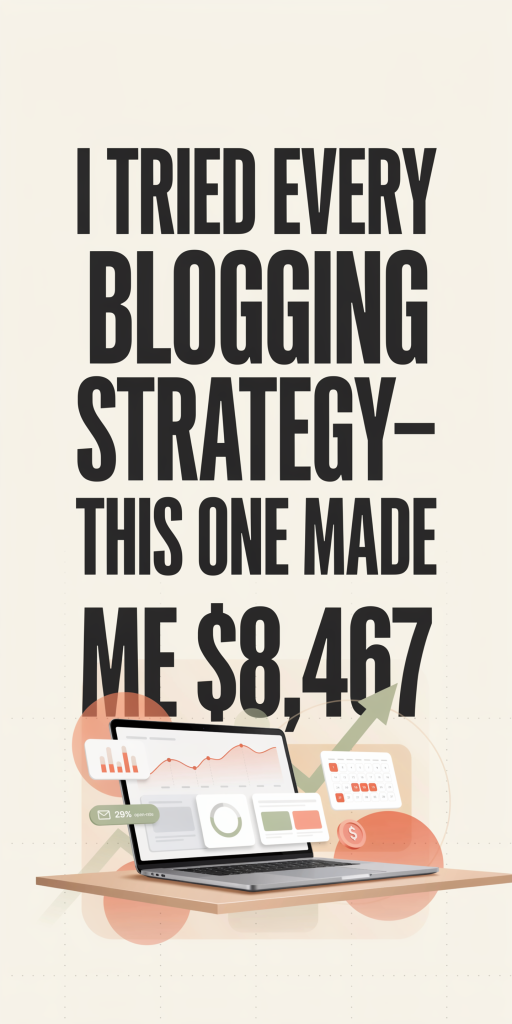
– Breakdown of that cycle: $6,497 in course sales, $1,470 in affiliate income from tools I recommended, $500 from two coaching spots—total $8,467.
Actionable tips
– Track revenue by source. Set simple goals: 200 opt-ins → 30 tripwire sales at 15% → 20 course sales at 10% of tripwire buyers. Tweak these inputs to hit income targets.
– Use pricing psychology: anchor with a higher-priced offer, make the tripwire a “no-brainer,” and present the core course as the natural next step.
Real-world context
– The biggest surprise: small changes had outsized impact. Changing one CTA copy (“Get the checklist” → “Audit your blog in 10 minutes”) increased opt-ins by 30%. Adding one customer testimonial to the sales page increased the course conversion rate by about 1.2 percentage points—worth hundreds of dollars.
Mistakes to avoid
Description
– Even with a good funnel, common errors kill conversions and morale.
Actionable tips
– Don’t overstuff the lead magnet—solve one problem well.
– Don’t delay the offer too long or you lose momentum; a 5–10 day sequence works best.
– Don’t ignore segmentation—treat buyers differently from subscribers.
– Don’t rely on a single traffic source; diversify (SEO, email, social).
Real-world context
– I once launched a lengthy 21-day email course before offering a product; engagement dropped mid-sequence and conversions were low. Shorter, targeted sequences convert better.
Conclusion: start building your content-to-offer funnel today
If you’re tired of blogging that generates vanity metrics but not income, build a repeatable content-to-offer funnel. Focus on intent-driven posts, a tight lead magnet, a short nurture sequence, a well-priced tripwire, and a clear core offer. Track your numbers, optimize one post at a time, and keep consistent habits. That system is what turned scattered traffic into $8,467 for me—and it can do the same for your blog.
Ready to start? Pick one high-traffic post this week, create a one-page lead magnet for it, and set up a 5-email nurture sequence. If you want, leave a comment with your niche and your pillar post—I’ll give specific ideas for a lead magnet and first email subject line to get you converting faster.