Pinterest is more than just a platform for pretty pictures: it’s a powerful tool for driving traffic to our blogs. When we leverage this platform effectively, we can maximize the potential of a single blog post, transforming it into multiple viral pins that engage and attract our audience. In this guide, we’ll explore how to turn one blog post into ten compelling pins, helping us flourish in the Pinterest landscape and boost our blog’s visibility.
Understanding The Power Of Pinterest For Blogs
Pinterest is not merely a social media platform: it operates more as a search engine for visual content. With over 450 million active users, it serves as a massive pool of potential traffic for our blogs. Understanding how to tap into this power is crucial for us as bloggers.
Why Pinterest Is Essential For Bloggers
Using Pinterest allows us to reach a diverse audience actively seeking inspiration and ideas. This platform is especially valuable because:
- Longevity: Pins can circulate long after they are posted, continuing to drive traffic over time.
- Visual Appeal: The emphasis on visuals means strong graphics can capture users’ attention easily, leading to click-through to our blogs.
- Niche Focus: No matter our blog’s niche, we can find an audience on Pinterest.
The Benefits Of Using Viral Pins
Viral pins have the potential to significantly amplify our reach. They can:
- Drive consistent traffic to our blog.
- Build our brand recognition within our niche.
- Increase engagement with our content, fostering a loyal audience that looks forward to our next post.
Ready To Build A More Flexible Income Stream?
Key Elements Of A Successful Pin
Creating a successful pin involves a combination of design and copy. Here are the essential elements we should focus on:
Crafting Eye-Catching Graphics
Our graphics need to stand out in the crowded Pinterest feed. Here are some tips:
- Use Bright Colors: Color choices can influence engagement rates. Bright, contrasting colors usually perform better.
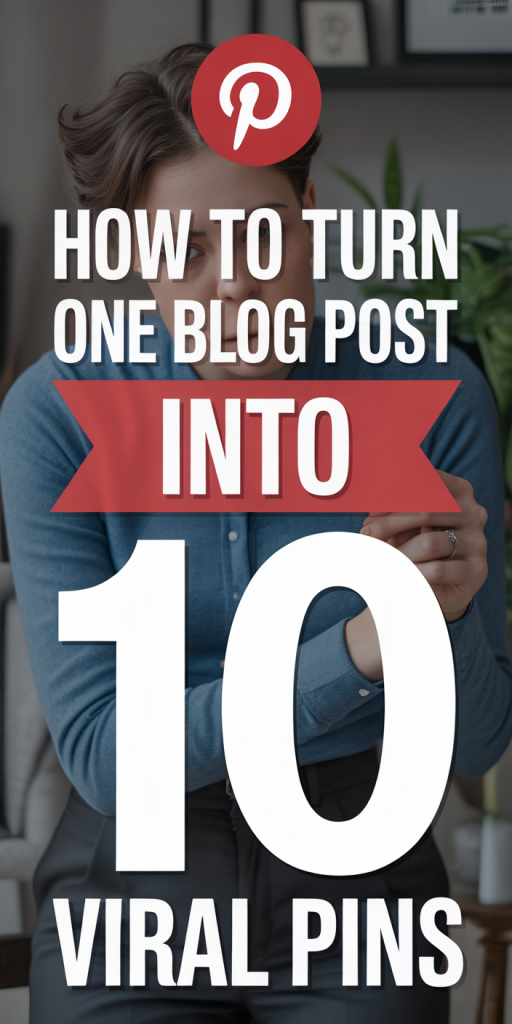
- Incorporate Text Overlays: Adding a short, compelling title can draw users in and convey the pin’s value.
- Maintain Vertical Format: The optimal pin size is typically 1000 x 1500 pixels: this format ensures our pins are visually appealing and dominate the screen.
Writing Compelling Descriptions
The description of our pins should complement the graphics:
- Include a Call-to-Action: Phrases like “Read More” or “Discover Tips” encourage users to click through.
- Use Keywords Strategically: Incorporating relevant keywords not only enhances the discoverability of our pins but also aligns them with user searches.
Using Keywords Effectively
Keywords play a significant role in the success of our pins. By identifying and utilizing the right keywords, we can increase the chances of our pins being discovered by users.
Identifying Relevant Keywords
To identify keywords:
- Pinterest Search Bar: Use Pinterest’s search bar and look at the suggestions that appear. This will provide insight into popular search queries in our niche.
- Competitor Analysis: Exploring what keywords successful pins in our niche are using can offer valuable insights.
Implementing Keywords In Your Pin Designs
Once we have a list of keywords, let’s carry out them:
- In Titles and Descriptions: Make sure to use our keywords naturally in both the pin title and description, enhancing SEO without sounding forced.
- In Image Alt Text: If we’re using a blog platform that allows for alt text, we should include our keywords here as well.
Creating A Pinning Strategy
A well-structured pinning strategy is essential for maximizing visibility and engagement:
Scheduling Your Pins For Maximum Exposure
Consistency is key on Pinterest. We can boost our visibility by:
- Using Scheduling Tools: Tools like Tailwind can help by allowing us to schedule our pins at optimal times based on audience activity.
- Pinning Regularly: Regular pinning helps us stay relevant and continually drive traffic to our posts.
Participating In Group Boards And Communities
Joining group boards is another way to expand our reach. Benefits include:
- Access to Larger Audiences: Group boards often have members with established audiences, allowing our pins to gain more exposure.
- Collaboration Opportunities: Collaborating with other bloggers can lead to increased content sharing and new audiences.
Measuring The Success Of Your Pins
Understanding how our pins are performing is crucial for refining our strategies:
Analyzing Engagement Metrics
We need to track various metrics to measure our pins’ success:
- Click-Through Rates (CTR): This indicates how often people click on our pin to visit our blog. A low CTR may suggest that some aspects of our pins need improvement.
- Repins and Saves: These measures show how often people are engaging with our content. High numbers indicate strong, shareable content.
Iterating Based On Feedback And Data
Monitoring the performance metrics allows us to refine our approach. Here are a few steps we can follow:
- Adjust Pin Designs: If certain styles or colors are performing better, we should replicate that success.
- Experiment with Descriptions: Tweaking pin descriptions can provide insights into what resonates more with our audience.
Turning one blog post into ten viral pins is not as daunting as it may seem. By understanding Pinterest’s dynamics, creating eye-catching graphics, using keywords effectively, and employing a solid pinning strategy, we can drastically enhance our blog’s reach. The process involves experimentation, analysis, and adaptation, but with consistent effort, we can unlock the potential of our content on this vibrant platform.