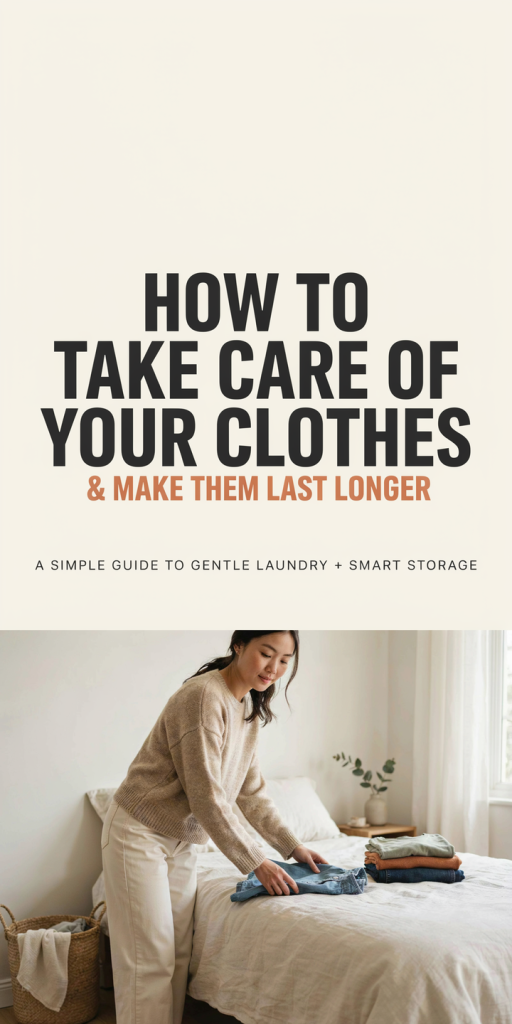
Caring for your family’s clothes well saves money, reduces stress, and keeps your kids and partner looking put-together without constant replacement runs. As a stay-at-home mom, a few simple routines and smart fixes will stretch every garment’s life — from everyday play clothes to nicer pieces you want to keep for years. Below are practical, easy-to-follow habits and troubleshooting tips you can drop into your weekly routine.
Key Takeaways
Why fabric care matters
– Less fading, fewer holes, and fewer lost buttons mean lower clothing costs.
– Gentle care reduces environmental impact and saves time on laundry re-dos.
– Teaching simple care habits to older kids keeps your wardrobe in good shape longer.
Smarter sorting and washing
– Sort by color and fabric weight. Whites, darks, and delicates deserve separate loads to prevent color transfer and friction damage.
– Use cold water when possible. Modern detergents clean well in cold water and reduce shrinking and fading.
– Use the right amount of detergent. Too much soap leaves residue that weakens fibers; too little won’t clean properly.
– Protect delicates with mesh laundry bags and use the gentle cycle for bras, lingerie, and delicate knits.
– Avoid overloading the washer. Clothes need room to move for proper cleaning and less friction.
Stain removal, step-by-step
– Act fast. Blot (don’t rub) fresh spills with a clean cloth.
– For protein stains (milk, blood): soak in cold water, then treat with a gentle detergent before washing.
– For oil-based stains (grease, lotion): sprinkle baking soda or cornstarch to lift oil, brush off, then apply a small amount of dish soap before washing.
– For dye stains (wine, juice): apply a mixture of equal parts white vinegar and water, let sit, then wash.
– Always test treatments on an inconspicuous spot first and follow garment care labels.
Drying, ironing, and reshaping
– Air-dry sweaters and knits flat to prevent stretching; reshape while damp.
– Use the lowest effective dryer heat. High heat causes shrinking and fiber breakdown.
– Remove clothes promptly from the dryer to reduce wrinkles and minimize ironing time.
– Use a steamer for delicate fabrics — it’s gentler than a hot iron and quick for curtains or blouses.
Storage and seasonal care
– Fold heavy sweaters instead of hanging to avoid shoulder bumps.
– Use breathable storage containers; avoid plastic bags that trap moisture.
– Add cedar blocks or lavender sachets to deter moths and keep closets fresh.
– Wash or dry-clean garments before long-term storage to remove stains that attract pests.
Mending made easy (and quick)
– Keep a small sewing kit in a drawer: thread, needles, small scissors, fabric glue, and spare buttons.
– Learn two basic stitches: the running stitch for quick hems and the whip stitch for patching holes.
– For small tears, fabric glue or an iron-on patch under the tear can be an easy temporary fix.
– If you don’t have time, hire help: consider posting a short job on Upwork or Fiverr for small tailoring or alterations.
When to repair vs. replace
– Repair if the garment has sentimental value or repair cost is under 25–30% of a reasonable replacement.
– Replace when fabric is worn thin, permanently stained, or the cost/time to repair outweighs benefit.
Business idea: Start a Clothing Care Blog
Description
Turn your laundry-room expertise into a flexible income stream by creating content that helps other moms care for clothes, fix stains, and make simple repairs. A blog focused on clothing care, sustainability, and budget-friendly wardrobe tips can attract a loyal audience and monetize via ads, affiliate links, digital guides, and sponsored posts.
Practical setup steps
1. Plan your niche and content pillars — e.g., stain removal guides, kid clothing longevity, upcycling tutorials.
2. Begin starting a blog (step-by-step) to create a content-ready site and publishing workflow.
3. Choose reliable website hosting and set up a simple, mobile-friendly theme.
4. Create cornerstone posts (how-tos, before/after photos, seasonal care checklists).
5. Use Pinterest to drive traffic — well-designed pins can bring steady readers.
6. Schedule and manage your social posts with a social media scheduling tool so posts keep going up while you handle family time.
7. Consider building an email list and a basic sales funnel to sell printable care guides or a mini-course.
8. Outsource tasks like pin design, post editing, or tech setup on platforms like Upwork or Fiverr as needed.
Estimated startup costs
– Domain name: $10–15/year
– Website hosting: $10–30/month (or less with promotions)
– Basic theme/plugins: $0–100 one-time
– Pinterest pin designs (DIY) or occasional designer: $0–50/post
– Optional outsourcing (design, VA): $20–200/month depending on scope
Total estimated startup: $30–$400 one-time setup, then $10–$300/month ongoing depending on tools and help.
Want a faster path to a profitable project you can run from home?
Quick daily and weekly routines
– Daily: Treat fresh stains, hang damp items, and button shirts to reduce ironing.
– Weekly: Sort laundry by fabric type, wash delicates separately, air-dry sweaters, and check for small repairs.
– Monthly: Rotate seasonal pieces, launder or air out stored items, and inspect closets for pests or moisture.
Product suggestions to keep on hand
– Mesh laundry bags for delicates.
– Gentle detergent and a stain-treating pen.
– Fabric shaver for pilling sweaters.
– Sewing kit and iron-on patches for quick fixes.
– Dryer balls to reduce drying time and soften clothes naturally.
A few final practical hacks
– Turn jeans inside out when washing to reduce fading.
– Use a pillowcase to wash embellished pieces to protect both the embellishments and the machine.
– Freeze a smelly garment in a zip-top bag overnight to kill odor-causing bacteria (works for some non-washable fabrics).
– Teach older kids a simple “rinse and hang” rule for stained or used play clothes to prevent set-in stains.
Keeping clothes looking good doesn’t require hours — just a few thoughtful habits and the right fixes on hand. Use the tips above to cut replacement spending and make wardrobe care a simple part of your weekly rhythm.