Meal planning is one of those simple changes that quietly stacks up into big savings. If we’re intentional about what we buy, how we cook, and how we reuse leftovers, it’s realistic to shave $300, or more, off our monthly food bill without feeling deprived. In this guide we’ll walk through why meal planning saves money, how to set a realistic baseline, a step‑by‑step system you can adopt this week, shopping strategies that stretch every dollar, and a 1‑week sample plan that shows the math. Bring a pen (or a notes app), we’ll make this practical.
Why Meal Planning Saves Money
Reduce Food Waste And Avoid Impulse Purchases
The first way meal planning saves money is by preventing waste. When we plan meals around what we already have and buy only what’s needed, produce and pantry items don’t sit unused until they spoil. Less spoilage means fewer last‑minute trips to the store and fewer awkward cereal dinners on a Friday night because nothing else survived the week.
Impulse purchases are expensive. Those extra snacks, seasonal displays, and “quick dinner” convenience items add up. A concrete plan, meals mapped to days and ingredients listed, turns grocery shopping into a targeted mission. We go in, get what supports the week’s meals, and leave the upsells behind.
Lower Cost Per Meal Through Batch Cooking And Leftover Strategy
Batch cooking is where the math gets nice. One large pot of chili, roasted chicken, or a big tray of roasted vegetables translates into several meals across lunches and dinners. Repurposing leftovers (e.g., roast chicken becomes tacos, then chicken salad) reduces the cost per served meal dramatically.
By designing meals that store and freeze well, we rely less on pricey takeout when life gets busy. That switch, from one $25 takeout dinner to two $3–6 homemade meals, creates the recurring savings that add up to $300+ a month.
Set Your Baseline And Savings Goal
Track Current Food Spending For 2–4 Weeks
Before cutting anything, we need a baseline. For two to four weeks, we record every food expense: groceries, restaurants, coffee runs, delivery fees, snacks for the office, and subscription meal kits. Use a simple spreadsheet or an app and categorize each purchase (groceries, dining out, snacks, beverages, convenience meals).
This data reveals the low‑hanging fruit. Is dining out inflated? Are we buying single‑serve convenience items frequently? Once we know our pattern, goal setting gets realistic.
Break Down Where To Cut $300+ Monthly (Meals, Snacks, Takeout)
To save $300, we split the target across categories. For example, if our current monthly spend is $680, reducing total to $380 achieves the $300 target. That could look like:
- Cut dining out by $150 (one fewer restaurant meal and two fewer takeout orders per week).
- Reduce impulse snacks and beverages by $75 (make coffee at home, pack snacks).
- Trim grocery waste and brand premiums by $75 (buy store brands, use pantry staples).
We assign specific, measurable actions to each category and track weekly progress. Small wins compound quickly.
Step-By-Step Meal Planning System
Take A Pantry And Freezer Inventory First
Open the fridge, freezer, and pantry and take note. We list staples, rice, pasta, canned beans, frozen vegetables, eggs, flour, and protein on hand. That inventory becomes the backbone of the week’s menu. It prevents buying duplicates and highlights what must be used soon.
Build Weekly Menus Around Low-Cost Staples And Themes
We pick 3–4 versatile staples (rice, pasta, beans, potatoes) and plan meals around them. Themes simplify decisions: Meatless Monday, Taco Tuesday, Soup Wednesday, Leftovers Thursday, Sheet‑pan Friday. Themes reduce decision fatigue and make shopping predictable.
Create A Smart Grocery List: By Meal, By Aisle, By Priority
Turn the menu into a grocery list grouped by aisle so we move through the store efficiently. Prioritize must‑buys (proteins, perishables), then secondary items (snacks, spices). Aisle lists cut time and reduce impulse buys.
Prep, Batch Cook, Freeze, And Repurpose Leftovers
We set one or two blocks of time for batch prep, 90 minutes on Sunday, 30 minutes midweek. Roast a tray of veggies, cook a pot of grains, portion proteins into meal‑sized containers. Freeze portions for emergency dinners. Repurposing keeps meals interesting: yesterday’s roasted vegetables become a grain bowl, and leftover chili is a baked potato topper.
Shopping Strategies That Stretch Your Dollars
Compare Unit Prices, Buy Seasonal Produce, And Shop Bulk Smartly
Unit prices tell the true story, always check price per ounce or per pound when comparing sizes. Seasonal produce is cheaper and fresher: adjust recipes to match what’s on sale. For shelf‑stable items we use frequently (rice, oats, canned tomatoes), buying bulk saves money per unit, just ensure we have room and will use it.
Use Store Brands, Sales, Coupons, And Cashback Apps
Store brands have improved dramatically and often deliver identical quality for less. Combine them with store sales and manufacturer coupons. Cashback apps (e.g., Ibotta, Fetch) and loyalty programs can add up to real savings, especially on staples.
Choose Stores And Timing To Maximize Savings
We shop discount grocers for basics, hit a higher‑end store for select items (good deli cuts or specialty cheese), and time shopping at week’s end for markdowns on meat. Shopping midweek often means less crowded aisles and fresher markdown picks.
Make Meal Planning Sustainable
Set A Realistic Prep Routine And Use Time‑Saving Tools
Sustainability is about routines we’ll actually keep. If two hours on Sunday feels impossible, do two 45‑minute sessions. Invest in practical tools, good storage containers, a sharp chef’s knife, and a slow cooker or instant pot, to save time and reduce reliance on takeout.
Flexible Recipes, Smart Swaps, And Picky‑Eater Solutions
We build flexible recipes where proteins or vegetables can be swapped. If someone won’t eat a vegetable, we sneak it into sauces or finely chop it into dishes. Always have one guaranteed crowd‑pleaser per week to keep resistance low.
Plan For Social Events, Dining Out, And Unexpected Changes
Life isn’t rigid, plan for two restaurant meals a month and budget them. Keep a buffer in the grocery list for unexpected guests. When plans change, pivot a planned dinner into a freezer meal or lunch option so purchases don’t go to waste.
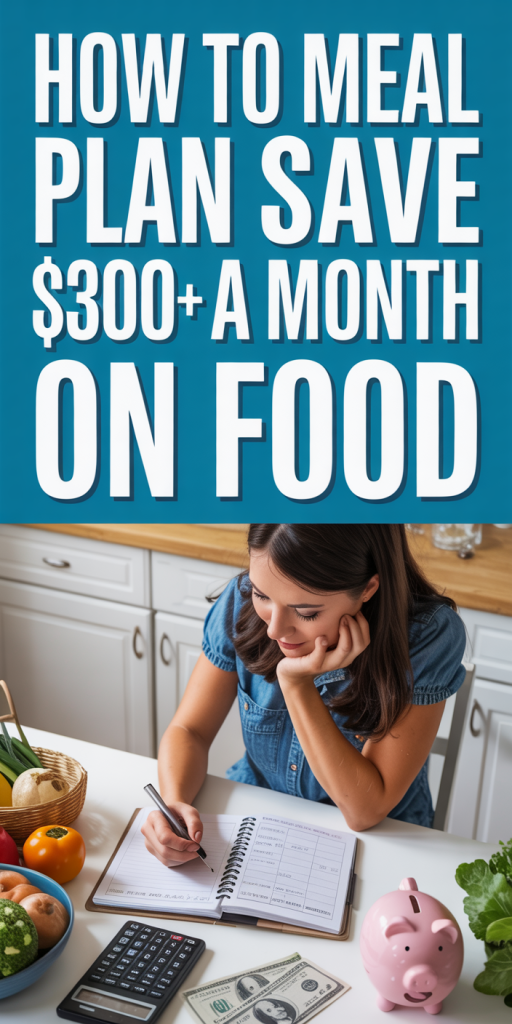
Sample 1‑Week Plan And Budget Showing $300+ Monthly Savings
Sample Weekly Menu And Prep Schedule
- Monday: Lentil soup (big batch) + whole‑grain bread
- Tuesday: Chicken tacos (roast a whole chicken Sunday) + slaw
- Wednesday: Pasta with tomato‑bean sauce + side salad
- Thursday: Leftover tacos transformed into burrito bowls
- Friday: Sheet‑pan roasted veggies and sausage
- Saturday: Omelets with greens and potatoes
- Sunday: Batch prep: roast chicken, cook rice, chop salad veggies
Prep schedule: 90 minutes Sunday (roast chicken, cook rice, chop veggies), 20 minutes Wednesday for pasta sauce, 15 minutes Friday for sheet‑pan toss.
Shopping List With Estimated Costs And Cost‑Per‑Meal Breakdown
Estimated weekly grocery spend (planned): $95
- Proteins (whole chicken, eggs, sausage): $22
- Produce (seasonal veg, salad greens, potatoes, onions): $18
- Grains & staples (rice, pasta, bread): $12
- Canned & dry goods (lentils, beans, tomatoes): $8
- Dairy & pantry (milk, cheese, olive oil): $12
- Snacks & misc (yogurt, fruit, coffee supplies): $13
- Frozen/backup meals: $10
Cost perspective: That $95 covers breakfasts, lunches, dinners, and snacks for a typical two‑adult household for the week. Averaging across dinners, our per‑dinner cost hovers around $5–8 per serving, lunches are often leftovers at $1–3 per serving, and breakfasts average $0.75–$2.
Monthly Comparison: Typical Spending Versus Planned Savings
Typical monthly spend (example): $680 (~$170/week), includes frequent takeout and impulse snacks.
Planned monthly spend with consistent meal planning: $380 (~$95/week).
Net savings: $300 per month. That’s money we can redirect into savings, debt payoff, or occasional treats, without feeling like we gave up good food.
Conclusion
Meal planning isn’t about strict deprivation: it’s about smarter choices that free up time and money. By tracking our baseline, planning around staples, shopping strategically, and batching our cooking, we can realistically cut $300 or more from our monthly food spend. Start with one week of planning and one pantry inventory, small habits become reliable savings. If we stick with the system, the math takes care of the rest.