Selling on Amazon FBA can feel overwhelming at first — especially when you’re juggling kids, household schedules, and the inevitable interruptions of working from home. This guide breaks the process down into friendly, actionable steps a stay-at-home mom can follow to launch a single, focused business idea that can grow into consistent income. Read through the practical setup, realistic cost estimates, and marketing tips designed to fit around family life.
Business idea: Sell products with Amazon FBA (private label, retail arbitrage, or wholesale)
Description
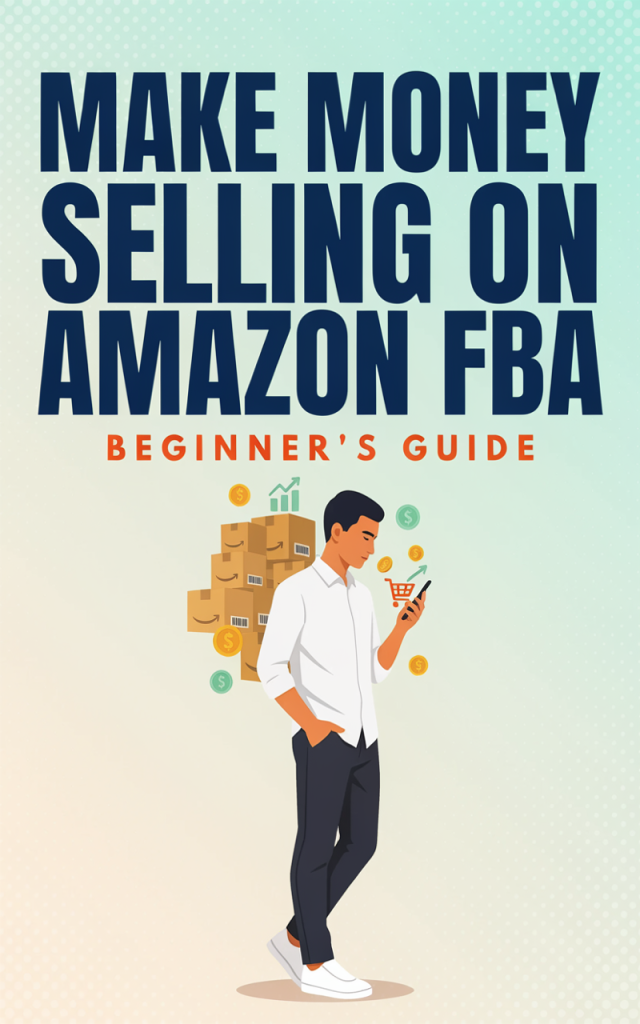
Selling on Amazon FBA (Fulfillment by Amazon) means Amazon stores, packs, and ships your products for you. That takes a huge logistical burden off your shoulders, which is ideal for busy moms. You can start small with retail arbitrage (buying discounted items to resell), try private label (your own branded products), or scale into wholesale. This is a flexible side hustle that you can do evenings and naptimes while Amazon handles customer service and fulfillment.
Practical setup steps
1. Decide which selling route fits your time and budget:
– Retail arbitrage: good for fast testing and low upfront inventory.
– Private label: best for higher margins and brand building.
– Wholesale: buy established products in bulk for steady sales.
2. Create an Amazon Seller account and choose a plan (Individual vs Professional).
3. Research products and demand:
– Use Amazon search results, reviews, and sales rank to find opportunities.
4. Source products:
– For retail arbitrage, shop clearance racks and local stores.
– For private label, find manufacturers (proof samples, negotiate MOQs).
– For wholesale, contact distributors or brand reps.
5. Get barcodes and prepare packaging/labels (adhere to Amazon FBA requirements).
6. Ship inventory to Amazon fulfillment centers (follow Amazon’s shipping workflow).
7. Create optimized product listings (good titles, bullet points, and photos).
8. Launch and promote:
– Drive initial sales with targeted promotions or Amazon PPC.
– Build external traffic and brand awareness over time.
9. Outsource repetitive tasks as needed:
– Hire freelancers for listing creation, graphic design, or PPC management on platforms like Upwork or Fiverr.
10. Track results and reinvest profits into more inventory or marketing.
Marketing tips that fit a busy schedule
– Treat Amazon as the primary sales platform while you build off-Amazon visibility. Start starting a blog (step-by-step guide) for brand storytelling and SEO-driven traffic; host it affordably via reliable website hosting.
– Use Pinterest to drive shoppers to your brand pages or blog posts—Pinterest is especially powerful for product discovery and can be scheduled in batches.
– Automate posting with a social media scheduling tool so you can set content once and let it run while you focus on family time.
– If you want a more advanced buyer journey later, build simple sales funnels to capture emails and encourage repeat purchases.
Estimated startup costs (realistic ranges)
– Amazon Seller account: $0–$39.99/month (Individual vs Professional plan)
– Initial inventory: $200–$3,000 (depends on product type and quantity)
– Shipping to Amazon fulfillment centers: $50–$300
– Packaging, labels, and barcodes (GS1 if needed): $30–$250
– Product samples and quality checks: $20–$200
– Product photography and listing creation (DIY vs freelancer): $0–$500
– Software tools (product research, repricing): $0–$50/month
– Miscellaneous (returns buffer, Amazon fees): variable
If you’re testing the waters and want occasional extra income while you build FBA, consider low-commitment options like doing/taking a survey for pocket cash between tasks.
Practical weekly routine for a stay-at-home mom
– Weeknights (1–2 hours): Product research, listing tweaks, and answering messages.
– One block each weekend (2–4 hours): Ordering inventory, prepping shipments, or batch-creating content for your blog and Pinterest.
– Outsource repetitive work when growth demands it—post tasks to Upwork or Fiverr for short tasks.
Quick checklist before you launch
– Validate demand for at least one product.
– Confirm profit margins after Amazon fees and shipping.
– Prepare FBA-compliant packaging and barcodes.
– Create an optimized product listing and initial PPC plan.
– Set up simple analytics: track cost per sale and restock cadence.
Starting small and staying consistent is the key. If you’d like steady traffic beyond Amazon, consider combining this with starting your blog (how-to guide) and using website hosting plus Pinterest to funnel shoppers back to your products. Balanced, doable steps will get you from test listings to a dependable income stream while keeping family first.