We’ve spent years iterating on content that actually performs on Pinterest, and the biggest multiplier for our process has been ChatGPT. In this post we’ll show exactly how we use ChatGPT to write blog posts that go viral on Pinterest, from keyword research and pin-first hooks to headlines, pin copy, and the publishing cadence that keeps traffic growing. If you want practical, repeatable steps (not theory), you’ll find our 7-step workflow and the on-page tactics that consistently drive clicks and saves.
Why ChatGPT + Pinterest Works For Viral Blog Traffic
Pinterest is part search engine, part discovery platform, which means the posts that win combine strong SEO signals with scroll-stopping creative. ChatGPT accelerates both sides. We use it to synthesize keyword research into crisp angles, draft multiple headline permutations in seconds, and produce pin-optimized descriptions that match how people search and save.
But the real power is speed plus iteration. A single human can brainstorm a couple of hooks per hour: ChatGPT gives us dozens, allowing rapid A/B testing. That means we can launch more pins, learn faster, and amplify winners. We’ve found that pairing human editorial judgment with ChatGPT drafts reduces writer’s block, cuts production time in half, and helps us maintain a consistent pin-first voice across posts, a must for Pinterest virality.
Ready To Build A More Flexible Income Stream?
My 7-Step Workflow For Creating Pinterest-Worthy Posts
Below is the exact sequence we follow whenever we build a post designed to perform on Pinterest. Each step is optimized to produce content that’s both discoverable and highly pinnable.
Step 1: Research Keywords And Pinterest Trends
We start with keyword tools (Pinterest Trends, Tailwind, Google Keyword Planner) to find high-intent phrases and rising queries. Then we feed top keywords and related searches into ChatGPT and ask for long-tail variations and question-style hooks. This gives us a shortlist of 6–12 target phrases to weave into the post and pin copy.
Step 2: Craft A Pin-Focused Angle And Hook
Next, we choose a single pin-focused angle, the promise a user sees on the pin. ChatGPT helps by generating 8–10 distinct hooks from our keywords (e.g., “10 15-minute meal prep ideas for busy parents”). We pick the strongest hook based on clarity, novelty, and emotional pull.
Step 3: Ask ChatGPT To Draft A Pin-Optimized Outline
With the hook set, we prompt ChatGPT for an outline tailored to Pinterest readers: scannable sections, bolded tips, and a clear CTA. We often request an outline with 6–8 sections, bullet lists, and suggested image types for each section to streamline design.
Step 4: Use ChatGPT To Write SEO-Optimized Sections
We feed the approved outline back to ChatGPT and ask for section drafts that include target keywords naturally, short paragraphs, and actionable steps. We ask explicitly for subheadings formatted for quick skimming, perfect for readers who click through from a pin.
Step 5: Generate Multiple Headlines, Pin Texts, And CTAs
We prompt ChatGPT to produce 20 headline variants, 30 pin overlay texts, and 15 CTA lines. Then we pick the ones that fit our brand voice and test combinations on mockups. Having a large pool of tested copy is how we consistently find winners.
Step 6: Create Pin Descriptions, Alt Text, And Meta Copy
ChatGPT helps us write SEO-friendly pin descriptions (150–300 characters) and image alt text that includes the main keyword and a natural context sentence. We also generate meta titles and meta descriptions variations to test which drives higher click-through from search.
Step 7: Edit, Format, Add Visuals, And Prepare Variations
Finally, we edit for tone, polish headlines, and brief the designer. We create 6–12 pin variations per post (different copy, color palettes, and aspect ratios). Then we schedule and monitor performance, iterating on the most promising pins.
Writing Blog Content Specifically Tailored For Pinterest
Pinterest users look for quick wins and clear outcomes. Our content strategy reflects that: short, scannable posts with high-value takeaways.
Short, Scannable Formats That Perform Best
We write for the scan: short paragraphs, numbered lists, bolded tips, and jump links. When ChatGPT drafts verbose sections, we ask it to condense into bullets or “TL:DR” boxes. Readers from Pinterest want answers fast, give it to them.
High-Value Post Types: Listicles, How-Tos, And Roundups
Listicles (“10 easy DIY projects”) and how-tos do exceptionally well because they promise clear results. Roundups and resource lists also get saves because they become evergreen references. We lean into these formats and let ChatGPT help prioritize the most clickable items.
Keyword Placement, On-Page SEO, And Readability Tips
We place the primary keyword in the title, first paragraph, at least one H2, and a natural handful of times in the body. ChatGPT helps us create meta descriptions and subheadings that include variations of the keyword without sounding forced. We also run readability checks and shorten sentences until the post reads conversationally.
Image Strategy And Alt Text For Pinterest Discovery
Every post includes multiple images sized for Pinterest (1000×1500 or 2:3). We use ChatGPT to generate descriptive alt text that doubles as SEO copy: a short, keyword-inclusive sentence that accurately describes the image and context.
Designing Pins That Drive Clicks And Saves
A great pin combines a clear headline, emotional or utility-driven promise, and eye-catching visuals. Design and copy must work together.
Pin Copy And Headline Best Practices
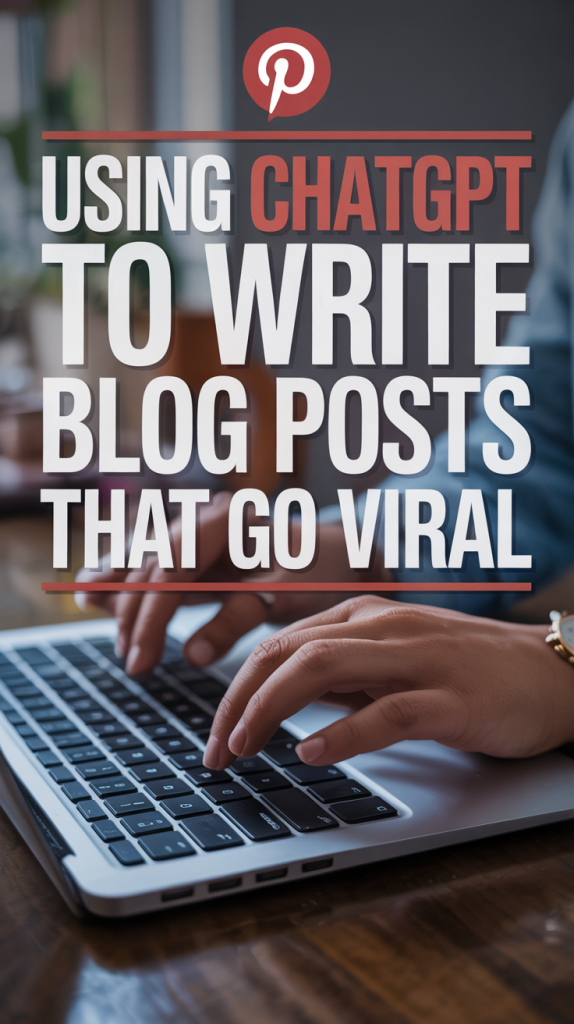
Keep pin overlay text to 3–8 words for mobile readability: use active verbs and numbers when possible. We test bold headlines against softer, curiosity-led lines to see which gets more saves.
Visual Composition, Fonts, And Color Contrast Tips
High contrast between text and background matters. We use bold sans-serif fonts for headlines and limit font pairings to two. Negative space helps pins breathe on mobile feeds. Bright accents help pins pop without looking cheap.
Pin Templates And How To Produce Variations Quickly
We maintain a library of templates in Canva or Figma with modular text blocks and adjustable color palettes. With ChatGPT-produced headline pools, we can batch-create dozens of pin variants in an hour, ideal for testing.
Publishing, Scheduling, And Promotion Tactics
Publishing is where strategy turns into momentum. Consistency and distribution amplify what works.
Optimal Pinning Cadence And Evergreen Scheduling
We pin new content several times in the first two weeks, then continue to repin best-performing pins over months. Tailwind’s smart schedule helps spread activity without manual effort. The key is steady, targeted pinning rather than bursts.
Repurposing And Syndicating Content To Maximize Reach
We repurpose the same post into different pins, create carousel pins from list items, and turn key points into short idea pins or story pins. Cross-posting to group boards and related interest boards increases early traction.
Leveraging Communities, Boards, And Smart Distribution
Active group boards and niche communities can kickstart saving and sharing. We also collaborate with micro-influencers for co-pins and use promoted pins sparingly to test creative hypotheses.
Tracking Performance And Iterating Smarter
Data tells us which pins deserve more budget, more variations, or a content refresh.
Key Metrics To Watch For Pinterest-Driven Traffic
We monitor impressions, saves, close-ups, outbound clicks, and click-through rate (CTR). High impressions with low CTR indicates creative or copy issues: low saves but high CTR suggests readers liked the content but didn’t want to save it, tweak the pin’s perceived long-term value.
A/B Testing Pins, Headlines, And Post Updates
We run A/B tests on headline treatments, color schemes, and CTA placement. ChatGPT helps by producing controlled copy variants so tests focus on one variable at a time.
Using Analytics To Refresh And Recycle High-Potential Posts
When a post shows steady engagement but fading traffic, we refresh images, update facts, and republish with new pins. Small updates combined with fresh pin creative often revive a post’s performance significantly.
We’ve condensed years of trial and error into a workflow that leverages ChatGPT’s speed without sacrificing human judgement. Using ChatGPT to write blog posts that go viral on Pinterest isn’t about automation, it’s about scaling ideation, testing more creatives, and moving faster. If you adopt a pin-first mindset (clear hook, scannable post, multiple pin variations) and pair it with disciplined testing, you’ll increase your odds of finding repeatable winners. Start small: pick one high-potential post, use our 7-step process, and iterate based on data. You’ll be surprised how quickly the traction adds up.