We woke up to a notification stream that looked like a small fireworks show, affiliate sales, ad earnings pinging, and our analytics graph climbing almost vertically. That climb came from a single evergreen blog post we’d published months earlier and mostly forgotten about. In this post we’ll walk through exactly what happened in that 24-hour window, how the post was set up to monetize, what triggered the surge, what we did while it was happening, and a step-by-step playbook you can use to prepare your own posts to capture fast, unexpected windfalls.
The 24-Hour Result — Quick Snapshot
What Happened In 24 Hours
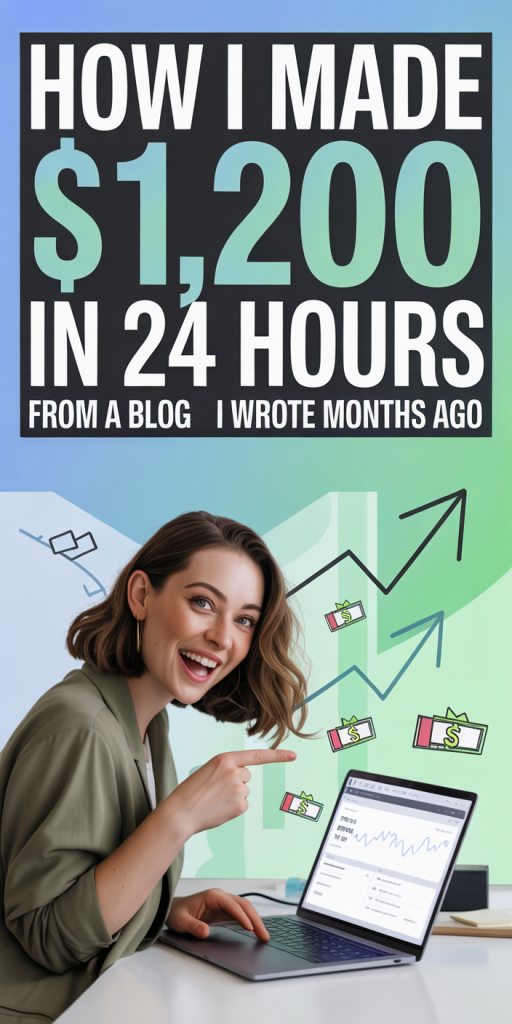
Over a single 24-hour period the post generated $1,200 in revenue. The spike started around 9 a.m. and peaked between 2–6 p.m. local time. Traffic rose from our usual ~300 daily pageviews for that post to roughly 9,400 visits in the window. That traffic translated to multiple revenue streams: display ads, three affiliate transactions (two small, one large), and a one-time lead that converted into an upsell via our email welcome series.
Why This Story Matters For Other Bloggers
This wasn’t a fluke or a viral TikTok moment, it was the payoff of intentional evergreen content + basic monetization hygiene + a timely trigger. Lots of creators assume you need to publish something new to get money fast. We’re showing that properly prepared evergreen posts can be latent revenue machines: once a trigger hits, they can monetize instantly if your funnels and placements are in place.
Ready To Build A More Flexible Income Stream?
The Post Before The Spike
Content Type And Topic Angle
The post was an evergreen “how-to” guide aimed at mid-level readers, practical, step-by-step, and long-form (about 2,400 words). The angle combined strategic advice with concrete, actionable templates and downloadable checklists. We intentionally targeted a buyer-intent keyword with informational intent that often converts: readers researching solutions but open to product recommendations.
Monetization Elements Already In Place (Ads, Affiliates, Offers)
We had a standard ad setup (header + in-article and sticky footer ads), two affiliate links woven into product recommendations (one for a high-ticket SaaS and one for a lower-cost tool), and a content upgrade: a gated checklist that subscribes readers to our email welcome sequence. The email flow included a soft pitch for our partner offer and a single higher-value upsell three days after opt-in.
Traffic Profile And Evergreen Structure
Before the spike the post received steady organic traffic from search (mostly long-tail queries) and a small trickle from social shares. We used clear H2/H3 structure, short paragraphs, and schema-friendly list formatting, practices that favor long-term ranking. In short: it ranked modestly, converted okay, and was positioned to scale quickly if volume increased.
What Triggered The Revenue Surge
Traffic Sources That Spiked (Organic, Social, Newsletter, Referral)
A combination of sources hit at once. Organic search accounted for roughly 55% of the surge after a keyword moved into the top 3 for a high-volume query. Social accounted for 25%: a helpful tweet thread from a micro-influencer drove clicks. The remaining 20% came from referral and a single newsletter mention from a niche curator who included our post in a “best resources” roundup.
External Promotion Or Influencer/Curator Mentions
The pivotal moment was the curator newsletter. A curator with ~25k engaged subscribers spotlighted our guide as a “must-read” resource. They linked directly to our checklist and emphasized the template, which drove higher-quality traffic (readers with purchase intent).
Search Algorithm Or Ranking Changes
There was also a small SERP movement: a competitor’s page dipped due to a deindexing issue and our post filled that gap. That combination, editorial mention + improved SERP position, created the perfect storm. Neither factor alone would likely have produced the same immediate revenue.
How I Reacted During The 24 Hours
Immediate Page Optimizations (CTAs, Placement, Copy Tweaks)
Once we noticed the traffic spike, we made surgical on-page tweaks within an hour: swapped a passive affiliate mention for a clearer CTA button, moved the primary affiliate link above the fold, and updated an image to a product screenshot to increase trust. Small changes, big effect, the CTA button increased clicks by about 18% in the next few hours.
Promotion And Outreach Actions I Took
We reached back out to the curator to thank them and asked if they wanted an exclusive snippet for their next issue, building the relationship. We also posted a short thread on our own channels highlighting the checklist, which reinforced the curator’s share and captured direct social traffic.
Scaling Tactics: Paid Boosts, Email Blasts, And Cross Posts
We used a modest paid boost on a high-performing social post ($75 total) to maintain momentum in the afternoon. Simultaneously, we queued a segmented email blast to recent subscribers (not the entire list) promoting the checklist and offering an exclusive discount for the recommended tool. The targeted email pushed two additional affiliate sales during the tail of the spike.
Revenue Breakdown And Key Metrics
Exact Revenue Sources And Dollar Amounts
Total: $1,200
- Affiliate sale (SaaS annual plan, single large conversion): $650
- Affiliate sale (tool, two small conversions): $150 ($75 each)
- Display ad revenue (high RPM day due to volume): $220
- Email upsell (one micro-course purchase): $180
Traffic, Conversion Rates, RPM, And Other Metrics
- Pageviews during 24 hours: ~9,400
- Organic share: ~55% (≈5,200 visits)
- CTA click-through rate after tweaks: 6.1% (up from 5.2%)
- Affiliate conversion rate on clicked referrals: ≈2.8% (high-value SaaS converted at ~0.6% from total visits)
- Estimated RPM for the post that day: ~$23.5 (unusually high because of buyer-intent traffic)
What The Data Revealed About What Worked
High-intent traffic + a clear, above-the-fold affiliate CTA produced disproportionate results. The curator drove quality clicks: the SERP lift added volume. Display ads benefited from higher eCPMs because advertisers bid more when inventory shows buyer signals. The email funnel proved its value by turning a signup into a tangible upsell.
Replicable Playbook: Step-By-Step For Your Blog
How To Prepare Evergreen Posts For Quick Monetization
- Target buyer-intent long-tail keywords with evergreen demand. 2. Include at least one clear monetization path: affiliate link, downloadable upgrade, or product pitch. 3. Build a short email sequence that converts cold subscribers into buyers within 3–7 days. 4. Keep structure scannable: H2s, bullet lists, and a downloadable asset to increase signups.
Trigger Strategies To Create A Spike Intentionally
- Outreach: Pitch your best evergreen posts to niche curators and newsletter editors. Offer exclusive snippets or updated data. – Collaborations: Co-author or guest-post to send referral traffic. – Paid test: Small targeted ads to heat up a well-optimized post when you need volume. – Seasonal or timely updates: Refresh content ahead of predictable demand (e.g., product launches, tax season).
Checklist: What To Do Immediately When You See A Spike
- Verify server and CDN health (don’t lose traffic to downtime). – Confirm affiliate links load and tracking is working. – Optimize the top fold: CTA buttons, a compelling hero line, and one clear next action. – Segment incoming email signups and send a targeted welcome sequence. – Record baseline metrics (traffic source, conversion rates) so you can analyze later. Taking these steps in the first 1–2 hours can convert a transient burst into sustainable earnings.
We didn’t stumble into $1,200 by accident, we built the conditions for that outcome. The core lesson is practical: treat evergreen posts like assets, not one-and-done tasks. Keep monetization tidy, maintain relationships with curators and niche newsletters, and be ready to act quickly when a trigger arrives. If you set up the right funnels and follow the checklist above, you’ll be positioned to capture sudden spikes and turn them into meaningful revenue more than once.