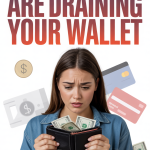
We all want our money to work harder for us, not quietly slip away. The problem is many of the leaks are small, automatic, and easy to ignore, a handful of subscriptions, a monthly bank fee, or a cup of coffee here and there. In this text we walk through 10 money leaks you don’t realize are draining your wallet, explain why they add up, and give practical fixes so we can stop the slow bleed and redirect that cash where it matters most.
Subscriptions And Memberships
Forgotten Auto‑Renewing Subscriptions
We sign up for trials, download apps, or buy memberships in the moment and then forget about them. Auto‑renewing subscriptions are the classic invisible drain: $7.99 here, $4.99 there. Individually they seem harmless, but three forgotten services is easily $20–$40 a month, $240–$480 a year. Our fix: run a quarterly audit. Use your bank and credit card statements to list recurring charges, cancel what we don’t use, and move remaining subscriptions to a single card so we can watch them.
Duplicate Or Underused Memberships
We often pay for overlapping benefits, two streaming services with the same shows, multiple grocery delivery memberships, or duplicate cloud storage plans. Instead of keeping them “just in case,” we should assess usage and share or rotate subscriptions with family or friends. A simple strategy is to set a renewal reminder two weeks before billing: if usage in the last month is below a set threshold, cancel or downgrade. Consolidating like this often frees $100+ per year without changing our lifestyle.
Ready To Build A More Flexible Income Stream?
Banking, Payments, And Hidden Fees
Account Maintenance, ATM, And Overdraft Fees
Banks make money on convenience. Monthly maintenance fees, out‑of‑network ATM charges, and overdraft penalties are small but recurring. If we’re paying a $12 monthly maintenance fee, that’s $144 annually, for often minimal service. We should switch to no‑fee checking, maintain the minimum balance to waive fees, and use in‑network ATMs. Also, set up low‑balance alerts and opt out of overdraft coverage if you can’t afford surprises.
Credit Card Interest And Late Payment Charges
Carrying a balance and missing payments is a double whammy: interest compounds and late fees hit hard. Paying just the minimum extends the payoff time dramatically. To stop this leak, we prioritize high‑interest cards first, set autopay for at least the minimum (while trying to pay more), and consider a balance transfer to a lower‑rate card only if the transfer fee still nets savings. Even trimming a 20% APR balance to 10% or paying $50 more each month can save hundreds in interest over a year.
Home, Utilities, And Recurring Services
Phantom Energy Use From Standby Power
Devices in standby still sip electricity, TVs, game consoles, phone chargers, and set‑top boxes. Phantom loads may represent 5–10% of a household’s electricity use. We can unplug rarely used devices, use smart power strips, or schedule appliances so they truly power down. Small behavioral changes, like unplugging a laptop charger after use, collectively reduce bills and extend device life.
Overlapping Streaming And Cable Packages
Paying for cable plus several streaming apps is redundant for many of us. Bundle creep happens when we chase slightly different content across platforms. We should pick a primary streaming service based on the content we actually watch, pause or rotate other services, and negotiate our cable package or cut it entirely if we can replicate the channels we use.
Unused Home Services And Seasonal Subscriptions
Lawn care, snow removal, pest control, and seasonal magazine or fitness subscriptions can slip into regular billing even after needs change. Review contracts for automatic renewals and ask for pro‑rated cancellations when usage ends. For seasonal services, switch to pay‑as‑needed or book local one‑time professionals, it’s often cheaper and more flexible.

Daily Spending Habits That Add Up
Small Impulse Purchases And Micro‑Spends
We underestimate the power of micro‑spending. A $5 coffee each weekday is $25 weekly and about $1,300 per year. These little rituals add up faster than we think. To fix this, we set a weekly discretionary budget, prepare beverages and snacks at home, and use cash envelopes or a spending app to make small purchases feel real, reducing the impulse factor.
Food Waste And Frequent Convenience Spending
Buying more than we consume or opting for convenience meals costs us twice: we pay for uneaten food and for last‑minute takeout. Meal planning, inventorying the fridge before shopping, and prepping a few grab‑and‑go meals reduces both waste and convenience spending. A plan that saves one takeout meal a week can easily return $1,000+ annually to our wallets.
Transportation And Vehicle‑Related Drains
Unnecessary Car Costs: Insurance, Parking, And Idle Fees
Cars are costly beyond fuel. We may be overinsured, paying for roadside assistance through multiple providers, or covering parking subscriptions we rarely use. Insurance premiums often have discounts we haven’t asked for, bundling, low‑mileage, safe‑driver, or raising deductibles can cut premiums. Audit parking permits and monthly garage fees: if we work from home part‑time, downgrade or cancel. Finally, idling, missed maintenance, and poor tire pressure reduce fuel efficiency and lead to higher repair bills, keep up with simple maintenance to avoid compounding costs.