Making small changes at home can cut your trash and lower your monthly bills — perfect for busy stay-at-home moms who want practical wins without extra stress. Below are 20 zero-waste swaps that save money over time, with simple setup steps and realistic startup-cost estimates so you can pick the ones that fit your family and budget.
1. Replace paper towels with reusable microfiber cloths
Description: Paper towels are convenient but expensive and wasteful. Microfiber cloths or cotton rags can do almost every kitchen cleanup, and they last for months (or years) with proper care.
Practical setup steps:
– Buy a pack of microfiber cloths or cut old towels into rags.
– Keep a small bin or hook by the sink for dirty cloths.
– Wash cloths in a full load with your regular laundry; avoid fabric softener.
Estimated startup costs: $5–$20 (or $0 if you repurpose old towels).
2. Switch disposable wipes for washable cotton rounds
Description: Makeup or cleaning wipes are convenient but single-use. Washable cotton rounds or flannel squares work for makeup removal, quick spills, and baby care.
Practical setup steps:
– Sew or buy 10–20 cotton rounds.
– Store in a small jar or container next to your sink or changing station.
– Toss used rounds in a mesh laundry bag and wash with towels.
Estimated startup costs: $0–$15 (DIY vs. purchased sets).
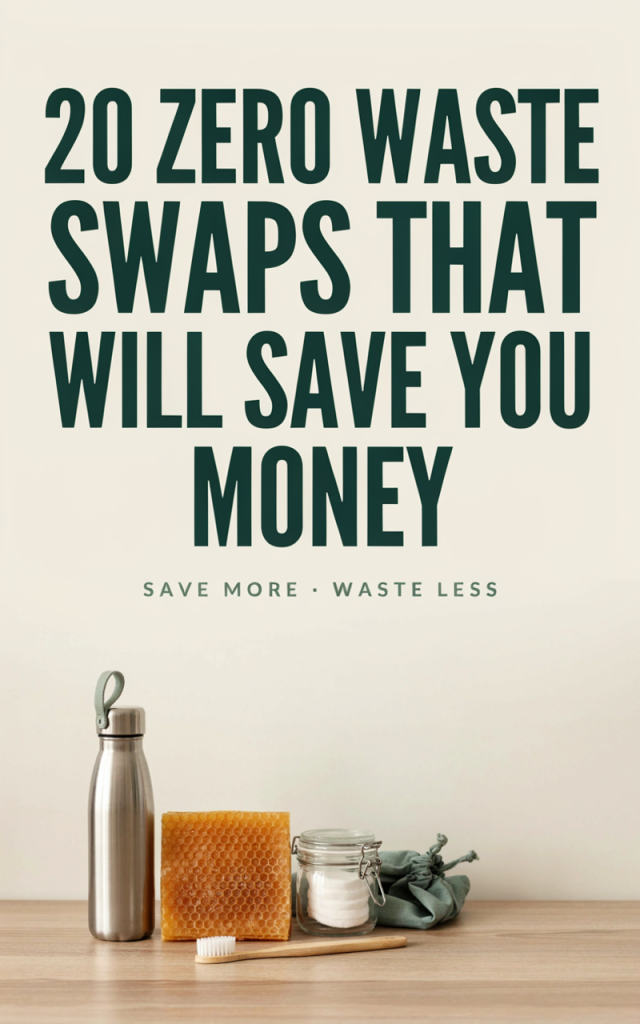
3. Use a reusable water bottle instead of single-use plastic
Description: A durable stainless or glass bottle reduces single-use purchases and often keeps drinks colder or hotter — so you’ll also skip expensive convenience-store drinks.
Practical setup steps:
– Pick a leakproof stainless or double-walled bottle.
– Keep one in each commonly used bag or spot (car, stroller, diaper bag).
– Teach kids to use their own bottles to avoid shared disposables.
Estimated startup costs: $10–$40.
4. Carry reusable shopping bags instead of plastic grocery bags
Description: Bringing your own bags cuts the steady drip of cheap plastic bags and often saves you from paying bag fees at stores.
Practical setup steps:
– Keep a foldable bag in your purse or car.
– Have a small basket for produce and a few larger totes for bulk items.
– Declutter plastic bags by replacing them with cloth alternatives.
Estimated startup costs: $0–$20 (many stores give free bags; otherwise buy a set).
5. Replace plastic wrap with beeswax or silicone wraps
Description: Beeswax wraps and silicone lids are washable and keep food fresh without single-use plastic film.
Practical setup steps:
– Start with a few wraps in small, medium, and large sizes.
– Use silicone lids for bowls and half-fruits.
– Wash and air-dry wraps; replace beeswax wraps after 6–12 months as needed.
Estimated startup costs: $10–$30.
6. Swap pre-packaged produce bags for reusable produce bags
Description: Lightweight plastic produce bags add up quickly. Reusable produce bags are breathable and can be tossed into laundry.
Practical setup steps:
– Buy or sew a set of mesh produce bags.
– Store them in your reusable bag so you remember them at the store.
– Use the smallest bags for fruits to avoid bruising.
Estimated startup costs: $5–$15.
7. Choose bar soap and solid lotion bars instead of plastic bottles
Description: Bar soap, solid shampoo, and lotion bars dramatically cut plastic waste and often last longer per dollar spent.
Practical setup steps:
– Try one shampoo bar and one body soap to compare.
– Store bars on a well-draining soap dish to extend life.
– Buy locally or in bulk to reduce costs and packaging.
Estimated startup costs: $0–$20 (starter trial).
8. Use refillable cleaning bottles with concentrated refills
Description: Refillable spray bottles plus concentrated refills lower the long-term cost and plastic waste from cleaning products.
Practical setup steps:
– Buy durable refillable bottles and label them.
– Purchase concentrated refills or make your own vinegar/soda cleaner for surfaces.
– Refill bottles from larger refill containers to reduce packaging.
Estimated startup costs: $5–$25.
9. Swap disposable razors for a safety razor or refillable cartridge system
Description: Safety razors (or refillable cartridge handles) reduce plastic waste and cost per shave once blades are stocked.
Practical setup steps:
– Choose either a safety razor or high-quality refillable cartridge handle.
– Buy a few replacement blades and store out of reach of kids.
– Dispose of blades safely in a blade bank or wrapped container.
Estimated startup costs: $10–$40.
10. Replace single-use menstrual products with a menstrual cup or reusable pads
Description: Menstrual cups and washable pads save money quickly and cut a huge amount of monthly trash.
Practical setup steps:
– Research sizes and brands; start with one cup or a couple of pads.
– Follow care instructions for cleaning and storage.
– Keep a small wet bag for used cloth pads when away from home.
Estimated startup costs: $10–$40.
11. Use glass or stainless steel food containers instead of plastic baggies
Description: Reusable containers are safer for reheating and last for years, saving money and keeping food fresher.
Practical setup steps:
– Buy a few sizes (snack, lunch, large storage).
– Replace plastic baggies gradually — use containers for leftovers and lunches.
– Label lids for organized fridge storage.
Estimated startup costs: $15–$60.
12. Bring a reusable coffee mug and filter instead of disposable cups
Description: Many coffee shops offer discounts for reusable cups, and reusable filters for home brew cut filter waste.
Practical setup steps:
– Keep a travel mug in the car or bag.
– Use a reusable coffee filter or French press at home.
– Rinse the mug after use to prevent odors.
Estimated startup costs: $5–$30.
13. Try toothpaste tablets or glass jar toothpaste instead of tubes
Description: Toothpaste tablets or refills in glass jars eliminate plastic paste tubes and can be cheaper over time.
Practical setup steps:
– Buy a small trial pack of toothpaste tablets.
– Store in a small jar or tin by the sink.
– If you prefer paste, look for stores that offer refills into glass containers.
Estimated startup costs: $5–$20.
14. Buy in bulk and use jars for pantry staples
Description: Buying staples like rice, oats, and beans in bulk reduces packaging cost and waste — you’ll often spend less per ounce.
Practical setup steps:
– Clean and reuse jars or buy a set of inexpensive mason jars.
– Visit a bulk store or refill station with your jars.
– Label jars with contents and purchase date.
Estimated startup costs: $0–$20 (if reusing jars).
15. Compost kitchen scraps rather than bagging them for trash
Description: Composting reduces landfill waste, lowers garbage bills in some areas, and produces free fertilizer for the garden.
Practical setup steps:
– Start a small countertop compost bucket with a lid and charcoal filter.
– If you have space, set up a backyard bin or tumbler.
– Add a mix of greens and browns and turn regularly.
Estimated startup costs: $0–$50 (DIY bucket to tumbler kit).
16. Make DIY cleaners from simple pantry ingredients
Description: DIY cleaners using vinegar, baking soda, and castile soap are effective for many household tasks and cost a fraction of store brands.
Practical setup steps:
– Mix basic recipes for all-purpose cleaner and glass spray.
– Store mixes in labeled refillable bottles.
– Keep a spray bottle of cleaner near high-use areas.
Estimated startup costs: $5–$15.
17. Use cloth napkins instead of paper napkins
Description: Cloth napkins are easy to wash and make family meals feel a little cozier while cutting weekly waste.
Practical setup steps:
– Start with 4–8 cloth napkins and rotate them.
– Keep a small basket with clean napkins on the table.
– Wash with regular laundry; stain treat as needed.
Estimated startup costs: $0–$25.
18. Choose rechargeable batteries over single-use alkalines
Description: Rechargeable batteries cost more upfront but pay for themselves over dozens of recharge cycles.
Practical setup steps:
– Buy a quality charger and a set of NiMH rechargeables.
– Keep the charger in a common area to avoid losing batteries.
– Recycle old single-use batteries properly at a recycling station.
Estimated startup costs: $20–$50.
19. Shop secondhand for kids’ clothes and toys instead of always buying new
Description: Children outgrow items quickly — thrift finds or swap groups save money and keep usable items circulating.
Practical setup steps:
– Join local buy-nothing or buy/sell/trade groups.
– Check consignment stores and online marketplaces for nearby options.
– Organize clothing swaps with other parents.
Estimated startup costs: $0–$20 (transport or small purchases).
20. Share your journey — start a zero-waste blog or small shop
Description: Turning your zero-waste tips into income helps you fund more sustainable choices. Whether you starting a blog to document deals and swaps, selling starter bundles, or offering coaching, small online efforts can offset new-product costs.
Practical setup steps:
– If you want to document your journey, follow a starting a blog guide and choose reliable website hosting with WPX.
– Share helpful posts and promote them on Pinterest using scheduling tools and social media scheduling to save time.
– If you want to outsource tasks like graphics or editing, hire help on Upwork or Fiverr.
– Consider simple monetization like affiliate links, digital guides, or a basic sales funnels sequence; or pick up small tasks/rewards like surveys for extra cash while you grow your project.
Estimated startup costs: $0–$200 (blogging can be started very cheaply; shop or product bundles may need small inventory).
These swaps can be mixed and matched — start with one or two that feel easy and watch the savings add up over a few months. Small upfront choices (like a $15 set of cloths or a $20 reusable bottle) quickly pay back in lower weekly expenses and less stress around landfill-bound clutter. Pick a swap that fits your routine, and let momentum and small wins build from there.