Intro
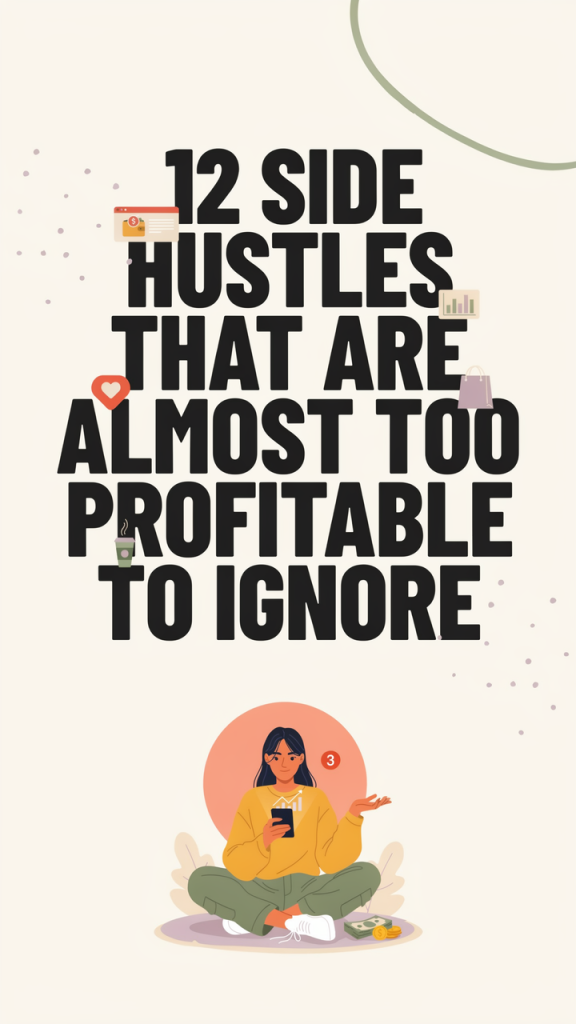
Looking for side hustles that actually move the needle on your income? These 12 opportunities are practical, scalable, and accessible to ordinary people who want to make real money outside a 9-to-5. Read on to find one (or more) that fits your skills and schedule — and how to start this week.
Build “A $373/Day AI Powered Side Hustle In Just 5 Days”
Follow the step-by-step training to turn practical AI skills into a focused income stream.
Freelance Writing & Copywriting
Description
Freelance writing and copywriting remain high-demand skills. Businesses need blog posts, sales pages, emails, and social content — and many will pay well for persuasive, well-researched copy that converts readers to customers.
How to get started (step-by-step)
1. Choose a niche (SaaS, personal finance, health, B2B, etc.).
2. Build a simple portfolio (3–5 samples). Use guest posts, short pieces, or spec work if needed.
3. Create profiles on Upwork, Fiverr, and LinkedIn; pitch on cold email or job boards.
4. Offer a low-cost introductory project to gather testimonials.
5. Refine prices as you get results and package services (e.g., blog post bundles, email sequences).
Estimated startup cost
– $0–$200 (domain/name and basic portfolio site optional; most can start with free platforms).
Realistic earning potential
– $300–$3,000+ per month for part-time freelancers; experienced copywriters can earn $5,000–$10,000+ monthly with retainer clients.
Virtual Assistant Services
Description
Virtual assistants (VAs) provide admin, scheduling, customer service, email management, and other operational tasks. Small business owners and solopreneurs frequently hire VAs to free up time — and VAs can specialize (e.g., podcast VA, e-commerce VA).
How to get started (step-by-step)
1. List the services you can reliably offer.
2. Create a simple service sheet and hourly/rate structure.
3. Set up profiles on Upwork, Belay, and LinkedIn; join VA Facebook groups.
4. Offer a trial or package to first clients and ask for referrals.
5. Systematize tasks with templates and tools (Calendly, Trello, Zapier).
Estimated startup cost
– $0–$300 (computer and internet assumed; optional tools/subscriptions).
Realistic earning potential
– $200–$2,500 per month for casual work; specialized VAs with recurring clients can earn $3,000–$6,000+ monthly.
Print-on-Demand Products
Description
Print-on-demand (POD) lets you sell custom designs on shirts, mugs, and phone cases without inventory. You design, a platform prints and ships, and you collect the margin — making it low-risk and scalable with the right niche and marketing.
How to get started (step-by-step)
1. Research niches and trending design ideas.
2. Create designs (DIY or hire a designer on Fiverr).
3. Set up shop on Printful, Printify, Redbubble, or Etsy.
4. Market via social media, ads, or niche communities.
5. Optimize best-sellers and expand product lines.
Estimated startup cost
– $0–$200 (design software subscriptions, mockups, or a designer’s fee).
Realistic earning potential
– $50–$1,000+ per month in early stages; established shops can net $2,000–$10,000+ monthly with ads and recurring buyers.
Niche Affiliate Blogging
Description
Affiliate blogging means producing content that recommends products and includes affiliate links. A niche blog focused on a specific audience can generate passive income through commissions and ad revenue once traffic builds.
How to get started (step-by-step)
1. Pick a narrow niche with buyer intent (e.g., home espresso machines, running gear).
2. Register a domain and set up hosting and WordPress.
3. Create pillar content and product review/comparison posts with affiliate links.
4. Promote via SEO, Pinterest, and social channels.
5. Monetize further with email lists and product roundups.
Estimated startup cost
– $50–$300 (domain, hosting, theme, and basic tools).
Realistic earning potential
– $0–$2,000+ monthly in the first year depending on traffic; established niche sites can earn $2,000–$20,000+ per month.
Create & Sell Online Courses
Description
If you have teachable expertise, packaging it into a course creates high-margin income. Platforms like Teachable, Kajabi, or Gumroad let you sell to a global audience and scale with evergreen content.
How to get started (step-by-step)
1. Identify a specific problem and outline course outcomes.
2. Create an MVP course — 3–8 core lessons and worksheets.
3. Host on a course platform and set pricing or payment plans.
4. Launch to an email list or via partnerships and webinars.
5. Collect feedback and iterate; add upsells or coaching.
Estimated startup cost
– $100–$1,000 (microphone, course platform subscription, video editing tools).
Realistic earning potential
– $100–$2,000+ per month initially; successful creators can earn $5,000–$50,000+ per month with multiple products and funnels.
Social Media Management for Small Businesses
Description
Many small businesses need help running consistent social media presence, ad campaigns, and community engagement. As a social media manager, you can offer content calendars, posting, reporting, and ad management.
How to get started (step-by-step)
1. Learn best practices for the platforms you’ll manage (Instagram, Facebook, TikTok).
2. Create case studies from your own profiles or volunteer projects.
3. Package services (posts per week, ad spend management, reporting).
4. Pitch local businesses, agencies, and through LinkedIn.
5. Scale with templates, scheduling tools, and subcontractors.
Estimated startup cost
– $0–$300 (scheduling tools like Buffer/Hootsuite, basic graphic design subscriptions).
Realistic earning potential
– $300–$2,000 per month per client; skilled managers with several clients can earn $5,000–$15,000+ monthly.
Ecommerce Dropshipping
Description
Dropshipping lets you sell products online without holding inventory; suppliers ship directly to customers. It’s inventory-light but requires strong product research, marketing, and customer service to be profitable.
How to get started (step-by-step)
1. Research product demand and reliable suppliers (AliExpress, Spocket, CJ).
2. Set up Shopify or WooCommerce store and import products.
3. Create persuasive product pages and optimize for conversions.
4. Run paid ads (Facebook, Google) or organic marketing to drive traffic.
5. Monitor margins, test products, and scale winners.
Estimated startup cost
– $200–$1,500 (store setup, sample orders, initial ad spend).
Realistic earning potential
– $100–$2,000+ monthly in early stages; profitable stores can earn $5,000–$50,000+ monthly but risks and returns vary widely.
Sell on Etsy (Handmade & Digital Products)
Description
Etsy is a marketplace for handmade goods, vintage items, and digital downloads (printables, planners). It’s ideal for maker entrepreneurs and creatives who want a built-in audience for niche products.
How to get started (step-by-step)
1. Identify product ideas and test demand with small runs or digital samples.
2. Set up an Etsy shop with strong branding and SEO-optimized listings.
3. Photograph products well and write clear descriptions.
4. Promote via Pinterest, Instagram, and email.
5. Iterate product lines based on sales and feedback.
Estimated startup cost
– $20–$500 (materials for handmade goods or design software for digital products).
Realistic earning potential
– $50–$2,000+ per month for part-time shops; successful sellers can scale to $5,000–$20,000+ monthly.
Tutoring & Online Teaching
Description
Tutoring leverages subject expertise (math, languages, test prep) and is in steady demand. Online platforms make connecting with students easy, and you can scale from hourly tutoring to packaged sessions or group classes.
How to get started (step-by-step)
1. Decide subjects and target age groups or test prep areas.
2. Create a profile on Tutor.com, Wyzant, VIPKid (ESL), or advertise locally.
3. Prepare lesson plans and sample materials.
4. Offer an initial discounted session to collect reviews.
5. Package multiple sessions or small-group classes to increase earnings.
Estimated startup cost
– $0–$200 (background checks for some platforms; good webcam/headset).
Realistic earning potential
– $15–$60+ per hour depending on subject and experience; part-time tutors can earn $200–$2,000+ per month.
Rideshare & Delivery Driving
Description
Rideshare (Uber/Lyft) and delivery services (DoorDash, Instacart, Uber Eats) are flexible ways to earn extra cash with your car. Peak hours and multi-apping can maximize returns for people who value schedule control.
How to get started (step-by-step)
1. Check driver requirements for services in your area.
2. Register, pass background checks, and complete vehicle inspections.
3. Learn peak hours and hot zones; use in-app tips and promotions.
4. Track expenses and mileage for tax deductions.
5. Consider multi-apping (running multiple apps) to reduce downtime.
Estimated startup cost
– $0–$2,000 (vehicle maintenance, gas; some drivers use smartphones they already own).
Realistic earning potential
– $8–$30+ per hour after expenses; typical part-time drivers earn $200–$1,000+ per month depending on hours and location.
Stock Photography & Video
Description
If you enjoy photography or videography, selling stock images and clips can generate passive income. Sites like Shutterstock, Adobe Stock, and Pond5 accept contributions and pay royalties when your assets are downloaded.
How to get started (step-by-step)
1. Research in-demand topics and current trends in stock libraries.
2. Shoot high-quality images and short video clips; edit and add relevant keywords.
3. Create accounts on multiple stock sites and upload optimized portfolios.
4. Track what sells and create more of that content.
5. Reinvest earnings in gear or niche shoots.
Estimated startup cost
– $0–$2,000+ (you can start with a smartphone; better earnings with DSLR/mirrorless and editing software).
Realistic earning potential
– $50–$1,000+ per month in passive royalties for beginners; established contributors can make $2,000–$10,000+ monthly from large catalogs.
Short-Term Rental Hosting (Airbnb)
Description
Short-term rental hosting (listing a spare room, whole property, or doing rental arbitrage) can produce substantial income in tourist or high-demand business areas. It requires hospitality, good listings, and consistent upkeep.
How to get started (step-by-step)
1. Decide whether to rent a spare room, list your property, or pursue rental arbitrage (renting to sublet).
2. Check local regulations and taxes for short-term rentals.
3. Prepare and photograph the space; write an inviting, accurate listing.
4. Price competitively and collect reviews by delivering great guest experiences.
5. Automate cleaning and check-in processes; optimize calendar and pricing.
Estimated startup cost
– $100–$5,000+ (cleaning supplies, furnishings, photography; higher if deposits or upfront lease costs apply).
Realistic earning potential
– $200–$3,000+ per month for a spare room; whole-house rentals in good markets can net $1,000–$10,000+ monthly depending on location and occupancy.
These 12 side hustles cover a wide range of skills, time commitments, and startup costs — from no-cost freelance work to higher-investment short-term rentals. The most important step is picking one that fits your strengths and schedule, then taking consistent action. Start with a small, testable offer this week and iterate based on feedback; momentum builds fast once you have a system.
Ready to pick one and start earning? Choose one idea above, write down your first three action steps, and commit to completing them within seven days — momentum is everything.