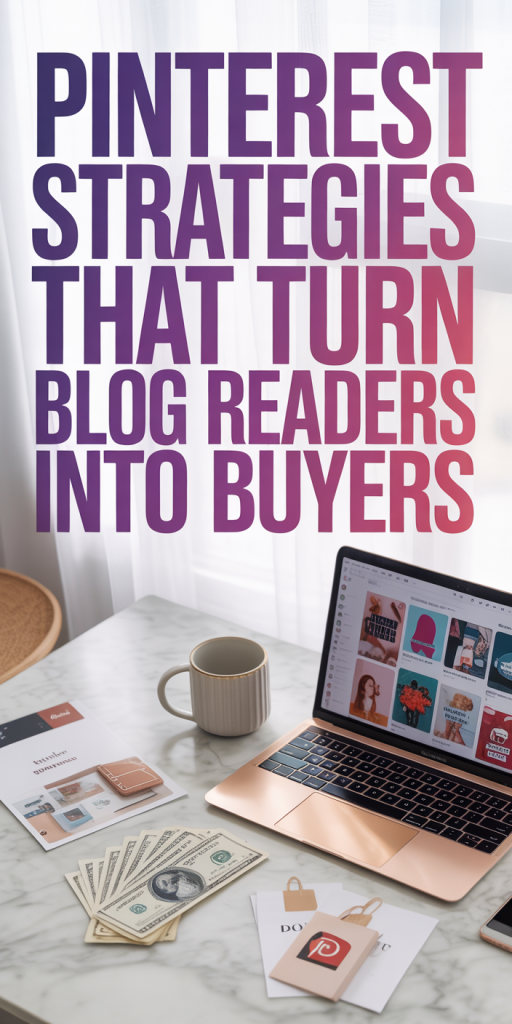
Pinterest can feel like two different channels at once: a discovery engine and a shopping mall. When we treat it as both, optimizing creative for discovery and funnels for purchase, we convert casual readers into paying customers. In this guide we walk through 12 pragmatic Pinterest strategies that do exactly that: better pin creatives, search-focused copy, landing pages built for conversion, a content calendar that fuels intent, targeted paid tactics, and measurement that links pins to revenue. Read on for step-by-step moves we use to turn blog traffic into measurable sales.
Optimize Pin Creatives For Clicks And Conversions
Use Vertical, High-Contrast Images With Overlay Text
Pins that get clicked aren’t pretty by accident. We prioritize a 2:3 aspect ratio (for example 1000 x 1500 px) so the image dominates mobile feeds. High-contrast photos with a clear focal point increase CTR: add a single, benefit-driven line of overlay text (think: “5 Cozy Fall Outfits Under $100”) using bold, readable type. Limit overlays to one or two lines, keep margins, and test dark vs. light overlays depending on your image. Also use brand color accents for recognition but don’t let branding overwhelm the message.
Create Multiple Pin Variations For The Same Post
One blog post should become at least 4–6 pins: different images, text hooks, and formats (static, carousel, video). We’ll test lifestyle shots vs. product flatlays, short animated GIFs, and short videos with captions. Each variation targets a different search intent, how-to, inspiration, and direct product signals, so we capture users at multiple moments in the funnel. Label pins clearly in our library (post-slug + creative-type + date) so we can track which creative families drive clicks and which drive purchases.
Ready To Build A More Flexible Income Stream?
Craft Search-Driven Pin Titles And Descriptions
Use Keyword-Rich Titles That Match Search Intent
Pinterest is a search engine, so we write pin titles like search queries. Start with high-intent keywords (e.g., “budget wedding guest dresses” or “home office desk ideas 2025”) and include modifiers (best, cheap, how to). Keep titles concise and clear: put the most important terms first because Pinterest truncates longer text on mobile. We monitor Pinterest Trends and our analytics to refresh titles seasonally.
Include Clear Calls To Action And Product Signals
Descriptions are where intent becomes action. We combine keywords with a short CTA and product cues: price, SKU, “shop now,” “download,” or “free guide.” When applicable, we include hashtags (1–3) and close with a directive that reduces friction: for example, “Click to claim the 20% coupon” or “Download the free checklist.” Product Pins and Rich Pins should include pricing and availability so Pinterest can surface shopping signals to buyers.
Design Landing Pages That Convert Pinterest Traffic
Align Pin Creative With Landing Page Messaging
A seamless creative-to-page match reduces drop-off. We mirror the pin headline, hero image, and offer on the first screen of the landing page so visitors feel they’ve arrived in the right place. Use the same color accents and a single above-the-fold CTA, don’t force visitors to hunt. For e-commerce product posts, include a clear product card, price, and one-click to cart. For content-to-offer funnels, show the lead magnet immediately with a short form.
Use Lead Magnets And Product Bundles For Micro-Conversions
Not every visitor is ready to buy. We design micro-conversions, email opt-ins, low-cost tripwire products, or time-limited bundles, that capture intent. A blog post can convert via a downloadable checklist, a “buy both” product bundle, or an email-only discount code. These options grow our remarketing audience and create multiple revenue moments from a single piece of Pinterest traffic.
Build A Pinterest-Focused Content Calendar
Publish Evergreen Pillar Posts Aligned With High-Intent Keywords
We map high-intent keywords to pillar blog posts, comprehensive, SEO-friendly articles that solve buyer problems. Each pillar supports dozens of pins over time, keeping evergreen traffic flowing. Examples: “Best Morning Skincare Routine” becomes pins that target product-aware shoppers: “How to Start a Side Hustle” becomes pins aimed at course buyers.
Repurpose Blog Content Into Seasonal And Evergreen Pin Series
A content calendar helps us batch creative: evergreen pins run year-round while seasonal series hit peak demand (holiday gift guides, summer trends). We repurpose the same article into multiple themed pin series (e.g., “Budget Picks,” “Editor’s Favorites,” “Quick Wins”), scheduling them months ahead so top-performing pins can be boosted during peak windows.
Use Audience Targeting And Promoted Pins Strategically
Create Tailored Boards And Segment Audience Interests
We organize boards by intent: inspiration, how-to, product collections, and deals. Tailored boards make it easier to promote the right pin to the right audience and improve organic relevance. Use board descriptions with keywords and pin your best-performing pins to several relevant boards to increase distribution.
Run Narrowly Targeted Promoted Pins For High-Intent Offers
Paid Pinterest works best when it’s precise. We run promoted pins against narrowly defined audiences: saved audiences of email subscribers, site visitors who viewed product pages, and lookalikes of converters. For high-intent offers, like limited bundles or courses, we favor CPC bidding and shorter, conversion-focused creatives. Retarget cart abandoners with dynamic product ads to close the loop.
Track, Test, And Optimize For Revenue
Measure Pin-To-Purchase Conversions And Attribution
We install the Pinterest tag and map events (view content, add-to-cart, purchase) to our analytics. Track revenue with UTM parameters and use a multi-touch view of attribution, Pinterest’s windows differ from Google Analytics, so reconcile both. Look for pin families that consistently generate revenue, not just clicks, and prioritize those creatives and topics.
A/B Test Pin Elements, Landing Pages, And Offer Prompts
Testing is non-negotiable. We A/B test image types, overlay copy, pin titles, and description CTAs. On the landing page, we test headline match, CTA color, and form length. For offers, we test price points, bundles, and urgency messaging. Small lift tests (even 5–10%) compound quickly when applied across multiple pins and posts.
Pinterest rewards a systemized approach: creative that attracts, copy that converts, landing pages that deliver, and paid strategies that scale. We’ve outlined 12 practical tactics, creative guidelines, search-first copy, conversion-aligned pages, calendar planning, targeted promotion, and rigorous measurement, that together form a repeatable pipeline from blog reader to buyer. Start by creating multiple pins per post, installing the Pinterest tag, and testing one landing-page change. Those three moves alone often produce the clearest signal of what will scale. Over time, we iterate on winners and funnel Pinterest traffic into predictable revenue.