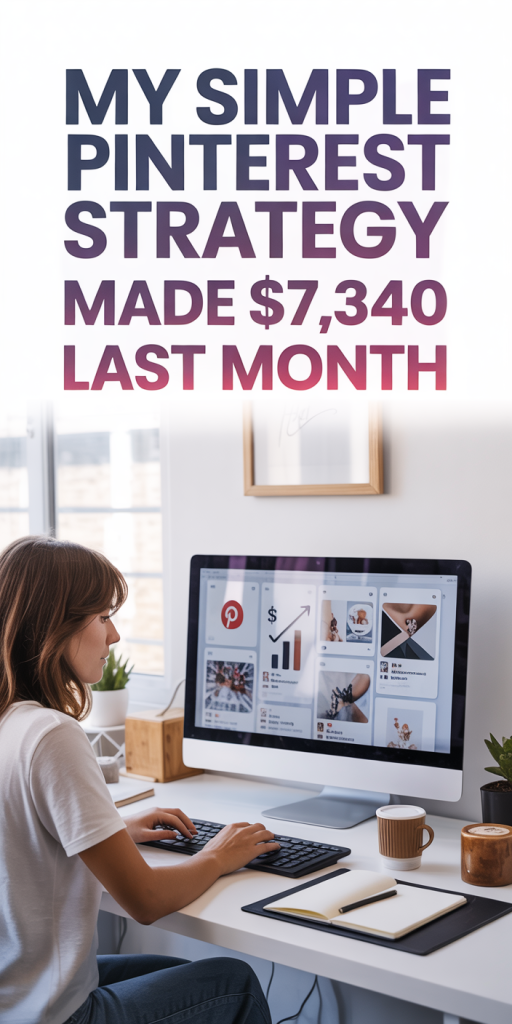
In the ever-evolving world of digital marketing, Pinterest often goes unnoticed. But, we discovered a simple yet effective strategy that transformed our income through this platform, bringing in $7,340 just last month alone. In this text, we’ll walk you through every step of our Pinterest strategy, empowering you to harness this visually-driven platform for your own financial success. Whether you’re a newbie or someone looking to enhance your current strategy, our insights will provide valuable guidance to elevate your Pinterest game.
Understanding The Basics Of Pinterest Marketing
Before diving deep into the advanced marketing techniques, it’s crucial to get a grasp on the fundamentals of Pinterest marketing. Understanding these basics will set the stage for our effective strategies.
Setting Up Your Pinterest Business Account
First and foremost, we ensured we had a Pinterest Business Account, which grants us access to analytics and advertisement options. The sign-up is simple: just visit the Pinterest for Business website, fill in your details, and choose a username that reflects your brand. This setup allows us to track performance metrics, such as impressions and clicks, helping us refine our strategy over time.
Optimizing Your Profile For Success
Next, we focused on optimizing our profile. This included writing a compelling bio enriched with keywords relevant to our niche. We also ensured our profile picture was professional and our boards were well-organized, each dedicated to specific topics linked to our brand. A well-optimized profile not only attracts followers but also enhances our visibility in search results.
Creating Eye-Catching Pins
A crucial part of our strategy centers around creating visually appealing pins. Here’s how we did it:
Design Best Practices For High Engagement
We learned that pins with vibrant colors, readable text, and unique imagery tend to perform better. Keeping our designs consistent with our brand colors establishes recognition and trust with our audience. Also, we adhered to Pinterest’s ideal pin dimensions, a 2:3 aspect ratio, ensuring our pins look great across devices.
Using Canva For Stunning Designs
For us, Canva became an indispensable tool. Its user-friendly interface and countless templates allowed us to create stunning pin designs effortlessly. By experimenting with different layouts and graphics, we continuously enhanced our visual content until we found what resonated best with our audience.
Understanding SEO For Pinterest
To dominate Pinterest, we recognized the importance of SEO. Here’s how we implemented it:
Keyword Research Techniques
We began by identifying relevant keywords using tools like Google Keyword Planner and Pinterest’s own search bar. The auto-suggestions provided valuable insights into what users are searching for in our niche. By incorporating these keywords into our pin descriptions, titles, and boards, we ensured greater discoverability.
Utilizing Rich Pins
Rich Pins provided us with more context about our ideas directly on the pin itself. We set up Product Pins, which included real-time pricing, availability, and product information. This not only made our pins more informative but also drove more traffic to our website, converting viewers into customers.
Scheduling Your Pins Effectively
Consistency is vital on Pinterest, and that’s where scheduling comes into play.
Best Tools For Scheduling Pins
We found tools like Tailwind to be instrumental in automating our posting schedule. With Tailwind, we could easily schedule our pins for peak engagement times, allowing us to maintain a consistent presence without overwhelming ourselves on busy days.
Maintaining Consistency In Posting
By committing to a regular posting schedule, we kept our audience engaged and our pins fresh. We aimed to post at least 10 pins a day, mixing original content with repins. This consistency not only kept our brand in front of followers but boosted our visibility in Pinterest’s algorithm.
Analyzing Performance And Making Adjustments
Analyzing our performance was key to improvement. Here’s how we approached it:
Using Pinterest Analytics To Improve Strategy
We regularly monitored Pinterest Analytics to understand which pins performed best in terms of engagement and clicks. This data informed our future pin designs and posting strategies.
A/B Testing Your Pins
A/B testing became a valuable practice for us. By creating two versions of a pin and changing one variable, like the image or title, we learned more about what our audience preferred. This insight guided our ongoing design choices.
Monetizing Your Efforts On Pinterest
Monetization set our efforts apart. Here’s how we made money through Pinterest:
Affiliate Marketing Strategies
We incorporated affiliate links into our pins, directing our audience to products we loved. By stating our genuine opinions in our pin descriptions, we established trust, which translated into clicks and sales.
Creating Your Own Products To Sell
Plus to affiliate marketing, we developed our own products, leveraging our audience to promote them. From eBooks to online courses, we crafted products that resonated with our followers, hammering down on their pain points and needs. This direct route not only generated revenue but further solidified our brand authority.
Conclusion
Our Pinterest journey has been transformative, proving that with the right strategies, anyone can tap into this powerful platform. We’ve shared insights from setting up our account to effectively monetizing our pins. The success we’ve seen isn’t just a stroke of luck: it’s the result of strategic planning, adaptation, and hard work. So, if you’re eager to see a substantial boost in your income like we did last month, start implementing these strategies today and watch your Pinterest presence flourish.