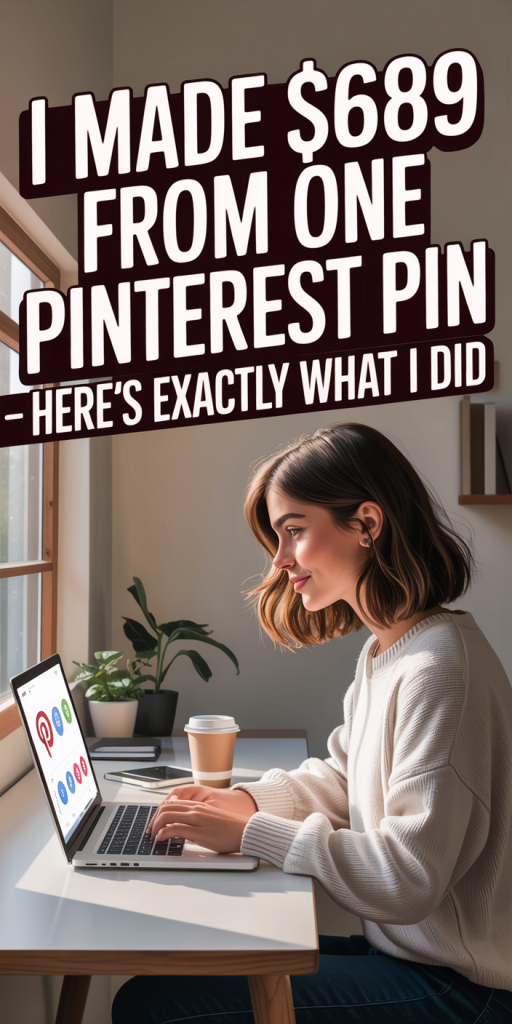
In the ever-evolving world of social media marketing, we discovered something astonishing: a single Pinterest pin can generate substantial income. We made $689 from just one pin, and the journey to achieving this was filled with strategies and insights worth sharing. If you’ve ever wondered how to turn a simple image into a revenue stream, you’re in the right place. In this post, we’ll unveil our methods and guide you through the exact steps we took to harness the power of Pinterest as a revenue tool. Let’s immerse.
Understanding Pinterest as a Revenue Tool
Pinterest is often underestimated as merely a platform for inspiration or DIY projects. But, when approached with a strategic mindset, it becomes a powerful revenue tool. With over 450 million active users, Pinterest serves as a visual search engine, allowing us to tap into various niches and audiences. This unique characteristics of Pinterest makes it different from other social media platforms: users actively seek out content that aligns with their interests, often with the intention to purchase. We learned that by understanding our niche and aligning our products or services with what users search for and pin, we could easily drive traffic to our site and generate income.
To effectively use Pinterest for revenue generation, we first needed to understand our audience. By researching trending topics and popular pins within our niche, we pinpointed the types of content that resonated most with our followers. This research not only shaped our content strategy, but also allowed us to refine our messaging, ensuring every pin felt relevant and compelling to our target audience.
Setting the Stage for Success
The foundation of our success with Pinterest lay in proper preparation. Setting the stage required us to address three key elements: creating the perfect pin, choosing the right keywords and hashtags, and designing eye-catching visuals.
Creating the Perfect Pinterest Pin
We quickly realized that not all pins are created equal. The most successful ones stood out visually and catered to our audience’s interests. We invested time in crafting pins that featured strong, clear calls to action and engaging titles. Our ideal pin included not only an enticing image but also a description that seamlessly integrated our keywords. This ensured our pin would be discoverable in search results.
Choosing the Right Keywords and Hashtags
The right keywords and hashtags play a crucial role in amplifying our reach. We conducted extensive keyword research using tools like Pinterest Trends and Google Keyword Planner to identify popular search queries within our niche. By incorporating these keywords into our pin description and board titles, we significantly improved our chances of being found by seekers looking for specific content. We also included relevant hashtags to further categorize our content, allowing it to surface in feeds when users searched for related topics.
Designing Eye-Catching Visuals
Aesthetic isn’t just about being pretty: it’s about being powerful. We focused on creating visually appealing graphics using tools like Canva. By employing vibrant colors, clean typography, and high-resolution images, we ensured our pins were not only attractive but also aligned with our branding. The ideal pin stood out while maintaining a cohesive look and feel that resonated with our brand identity.
Implementing Effective Strategies
With our pins designed and strategy set, we moved on to implementing effective strategies to ensure we maximized our reach and engagements. Two methods stood out: leveraging Tailwind for increased reach and engaging with our audience.
Leveraging Tailwind for Increased Reach
Tailwind became a game-changer for us in terms of scheduling and optimizing our pins. By using this tool, we could plan our pins ahead of time, ensuring consistent posting, an essential element for maintaining visibility. Tailwind’s analytics also provided insights into which pins performed best, allowing us to double down on what was working and refine what wasn’t. Also, utilizing Tailwind’s SmartLoop feature helped us recycle our top-performing content to increase exposure without constantly creating new pins.
Engaging with Your Audience
Building relationships with our audience on Pinterest was another cornerstone of our strategy. By actively engaging with users who repinned our content and leaving thoughtful comments on their pins, we fostered a community feel. We also created boards that featured content from others in our niche, showing support and encouraging reciprocity. The more we interacted, the more followers we gained, furthering our reach and increasing our potential for revenue generation.
Analyzing and Optimizing Performance
Once our pins began gaining traction, we switched our focus to analyzing and optimizing performance. Tracking clicks and conversions, and adjusting strategies based on data, were vital steps.
Tracking Clicks and Conversions
We used Pinterest Analytics to track the performance of our pins, focusing on metrics such as clicks, saves, and impressions. This data provided a clear picture of what was resonating with our audience. By identifying which pins led to the most traffic to our website, we could reinforce our marketing efforts on these high-performing creations. Also, tracking conversions allowed us to see which pins were successfully turning interest into sales, helping us evaluate our return on investment.
Adjusting Strategies Based on Data
Data-driven decisions became the cornerstone of our optimization strategy. We regularly reviewed our analytics to identify trends, such as optimal posting times and preferred formats. Based on these insights, we adjusted our pin designs and descriptions accordingly. Whether it was experimenting with pin size or varying our calls to action, we became adept at tweaking our strategies for maximum effect. This iterative approach guaranteed that our pins continued to thrive and evolve alongside our audience’s preferences.
Lessons Learned and Future Plans
Reflecting on our journey, several lessons stood out that shaped our approach and future plans. We knew that scaling our efforts with additional pins could amplify our successes.
Scaling with Additional Pins
After understanding what worked, we began to create multiple pins for the same content. This practice allowed us to test different designs and messaging while reaching a broader audience. Each pin could draw in a different segment of our audience, increasing the likelihood of engagement.
Looking ahead, we’re excited to explore even more creative avenues. This includes collaborating with other creators, utilizing video pins to tap into the growing trend for short visual content, and exploring seasonal themes to keep our audience engaged throughout the year. Our adaptability and willingness to learn will guide our next steps as we continue to harness Pinterest as a viable revenue stream.
Exploring Other Monetization Avenues
While our experience with a single pin was rewarding, we didn’t want to stop there. Exploring additional monetization avenues became essential for long-term success.
Diverse revenue streams help manage income variability. We considered affiliate marketing, selling digital products, and offering online courses. By promoting products through affiliate links on our Pinterest pins, we can earn commission on sales generated through our links. Besides, by crafting digital products, such as eBooks, we can provide value while generating sales directly from our followers. We believe that expanding beyond one revenue source will mitigate risks and foster sustainable growth.
Conclusion
Our experience of making $689 from one Pinterest pin was not just a fluke: it was the result of strategic planning, effective implementation, and continuous optimization. The potential of Pinterest as a revenue-generating tool is immense, but it requires commitment and innovation. By understanding our audience, crafting quality content, leveraging tools like Tailwind, and maintaining a dialogue with our followers, we paved the way for financial success through a simple platform. Now, the real question is: how will you take advantage of Pinterest to generate your own income?