Pinterest has evolved from a simple pinboard for DIY projects into a powerful traffic-driving machine for marketers and bloggers alike. In our journey, we discovered how to harness this visual platform to not only increase our website traffic but also maximize our return on investment (ROI). Through a combination of strategic planning, creative design, and consistent analysis, we turned Pinterest into our highest-ROI source of traffic. In this text, we’ll share our insights and strategies to help you achieve similar success on this platform.
Understanding Pinterest as a Traffic Source
Pinterest is unique in that it acts as a visual search engine, allowing users to discover content through images. With over 450 million active monthly users, the platform is an untapped source of potential customers waiting to be engaged. Understanding how Pinterest operates in relation to other social media platforms is crucial for effectively leveraging it for traffic.
Users engage with content on Pinterest passively, seeking inspiration and ideas, which makes it a perfect avenue for brands looking to generate awareness. When someone pins our content, it reappears in their followers’ home feeds, creating opportunities for exponential reach unlike traditional social media where posts quickly fade from visibility.
Also, Sierra’s knack for algorithm-driven discovery on Pinterest means that even older pins can resurface and drive traffic, providing a long-term ROI that many other platforms can’t match.
The Importance Of ROI in Content Marketing
Return on investment (ROI) is a critical measure in content marketing, defining the effectiveness of our efforts in generating profit relative to our investments. For us, understanding ROI goes beyond numbers: it reflects how well our content resonates with our audience and drives sales.
A high ROI means our marketing strategies are not just effective, but efficiently utilizing our time and resources. By focusing on platforms yielding high ROI, like Pinterest, we’ve ensured that every piece of content we produce not only serves its purpose but also contributes significantly towards our business goals.
Whether we are promoting products, services, or personal brands, tracking our ROI on Pinterest has allowed us to fine-tune our strategies and align our marketing efforts with our overall business objectives. This approach emphasizes the need for marketers to look critically at the traffic sources they prioritize.
Steps to Optimize Your Pinterest Strategy
To effectively use Pinterest, we adopted a detailed strategy consisting of several key steps:
1. Defining Your Target Audience
Understanding who our audience is the cornerstone of creating effective pins. By researching demographics, interests, and behaviors, we tailored our content to meet the needs of our specific audience segments. This could involve using Pinterest’s audience insights and analytics or creating customer personas based on existing data.
2. Creating Eye-Catching Pins
Visual appeal is critical on Pinterest. We focused on creating high-quality images that aligned with our brand’s aesthetic and appealed to our target audience. This included using text overlays to convey messaging clearly and concisely, ensuring that pins stand out amidst the plethora of content on users’ feeds.
3. Crafting Effective Descriptions
While visuals draw users in, compelling descriptions convert interest into action. Our approach to crafting SEO-optimized descriptions imbued them with keywords while communicating value propositions. We included relevant hashtags that would increase discoverability and drive traffic to our content.
4. Utilizing Tailwind and Scheduling Tools
To maintain a consistent presence on Pinterest, we used Tailwind, a popular scheduling tool that allows us to plan and post our pins at optimal times. By analyzing engagement data, we adjusted our posting times to ensure maximum visibility and engagement from our target audience.
5. Joining Group Boards
Group boards can significantly extend our reach on Pinterest by allowing us to share our content with other users’ audiences. We actively sought out and joined relevant group boards where our target audience congregated, which provided us with the opportunity to showcase our expertise and enhance our visibility.
Analyzing Results and Adjusting Your Strategy
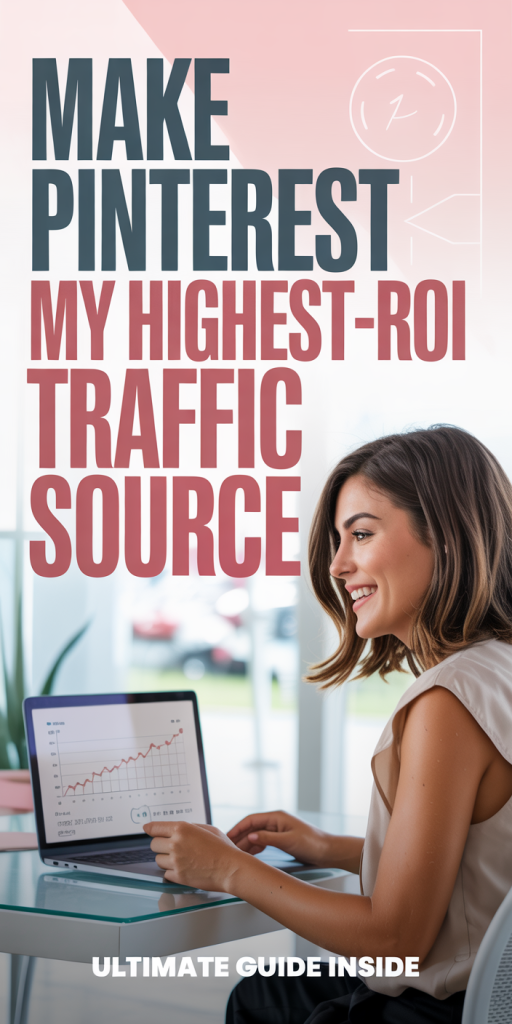
Once we established our strategies, consistently analyzing our results became crucial. We used Pinterest Analytics to track engagement metrics, such as impressions, clicks, saves, and overall website traffic directed from Pinterest.
Through this data, we identified which pins resonated most with our audience and what timeframes generated the highest levels of interaction. This analysis allowed us to replicate successful strategies for future content, significantly improving our overall performance on the platform.
Failure isn’t the end: it’s a stepping stone to perfection. We constantly adjusted our strategies, tweaking visuals, descriptions, and even our posting schedules based on what the analytics dictated. This iterative approach ensured that we remained agile in our strategy and responsive to audience preferences.
Tools and Resources for Pinterest Growth
To streamline our efforts on Pinterest, we utilized various tools tailored to enhance our strategy:
- Canva: A fantastic tool for creating eye-catching pins without needing advanced design skills. It offers templates specifically tailored for Pinterest, making it easy to produce professional-looking visuals.
- Pinterest Analytics: Essential for tracking performance metrics and understanding our audience’s behavior. Using this tool allowed us to tailor our content effectively.
- Tailwind: As mentioned, this scheduling tool was pivotal in managing and automating our posts while gauging our best times to pin. Its feature for hashtag suggestions also made our pins more discoverable.
- Pinterest Trends: A feature that can help discover popular content and ideas that resonate with our audience, providing insights into trending topics we could capitalize on.
Conclusion
Achieving high ROI on Pinterest wasn’t an overnight success but a journey of continuous learning, experimentation, and adjustment. By understanding our audience, optimizing our images, writing compelling descriptions, and utilizing analytical insights, we transformed Pinterest into our most profitable traffic source.
Eventually, the key takeaway for anyone looking to enhance their presence on Pinterest is to remain adaptive to the platform’s unique environment. This visual platform continues to evolve, and by staying informed and responsive, we can unlock its full potential for driving not just traffic, but revenue.