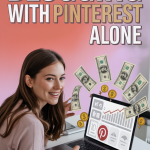
When we think about blogging, social media often comes to mind as a crucial element for driving traffic and engagement. But, one platform stands out uniquely for its visual appeal and limitless potential: Pinterest. In this post, we’ll share our journey of making our first $1,000 through blogging exclusively using Pinterest. Whether you’re a seasoned blogger or just starting out, our insights will help you leverage Pinterest effectively for your growth and income.
Join us as we explore the strategies, tactics, and lessons learned along the way, providing you with actionable steps to achieve your own success on this powerful platform.
Understanding the Power of Pinterest for Bloggers
Pinterest is often misunderstood as merely a social media platform geared towards sharing recipes and DIY projects. But, it is much more than that, it’s a powerful search engine where ideas can go viral and traffic can surge overnight. Here’s why we believe in Pinterest’s capabilities:
- Visual Content Dominance: People are naturally drawn to visuals. With visually appealing content, we can capture attention instantly. Pinterest thrives on stunning images that entice users to click.
- Longevity of Pins: Unlike traditional social media posts that may only last a few hours, pins can generate traffic for months or even years after they’re published.
- Targeted Audience: Pinterest users are often looking for inspiration and solutions, which makes them more likely to engage with our content. This targeted approach helps us reach our ideal audience effectively.
By understanding these core aspects of Pinterest, we set the groundwork for our blogging journey and knew we had a unique opportunity to attract readers and potential customers.
The Basics: Getting Started on Pinterest
Before diving into advanced strategies, we needed to ensure our Pinterest account was set up for success. Here are the essential steps we took to launch our Pinterest presence:
- Create a Business Account: We registered for a Pinterest Business account to access analytics and promotional tools, allowing us to track our performance effectively.
- Optimize Our Profile: Our bio needed to clearly describe who we are and what we offer. We included relevant keywords to help users discover us.
- Create Boards with Purpose: We developed boards that aligned with our blog content while targeting specific keywords. Each board serves as a collection of related pins, making it easier for users to explore topics of interest.
- Pin Consistently: Maintaining a consistent pinning schedule is crucial. We utilized tools like Tailwind to help automate our pinning process, ensuring we reached our audience regularly without burnout.
By focusing on these foundational aspects, we prepared ourselves for the traffic that would follow.
Creating Engaging Content That Drives Traffic
Now that our Pinterest account was set up, our focus shifted towards creating high-quality content that would not only engage our audience but also drive traffic back to our blog. Here’s how we approached it:
Building a Pinterest Strategy That Works
- Know Your Audience: We began researching our target audience’s interests and pain points. Understanding their preferences allowed us to tailor content that resonated with them directly.
- Quality over Quantity: Instead of pinning sporadically, we prioritized the quality of our pins. Each pin needed to have a clear, eye-catching design with informative descriptions.
- Call to Action (CTA): We always included a clear CTA in our pins. This encouraged users to visit our blog for more information or to access free resources.
Utilizing Rich Pins and SEO Techniques
- Rich Pins: Integrating Rich Pins helped bring more context to our posts without users needing to click through. They displayed extra information directly on the pin, making it more attractive.
- SEO Optimization: We optimized our pin descriptions and board titles with keywords that our audience was searching for. This practice helped improve our visibility in Pinterest searches.
Through these strategies, we ensured that our content was engaging and discoverable, leading to a steady increase in traffic.
Analyzing and Adapting Strategies Based on Analytics
Once we started gaining traction on Pinterest, we recognized the importance of tracking our performance to refine our strategies. Here’s what we learned:
- Use Pinterest Analytics: Our dashboard provided insights into which pins were performing well and which ones weren’t. We utilized these metrics to make informed decisions about our content direction.
- Experiment and Adapt: We weren’t afraid to try new types of content or pin designs. By experimenting with different approaches, we quickly identified what resonated best with our audience.
- Monitor Trends: Keeping an eye on seasonal trends and popular topics helped us stay relevant. We adapted our content calendar to include trend-focused posts that attracted more views.
By continuously analyzing our efforts, we were able to refine our strategies to ensure ongoing success.

Monetization Strategies for Your Blog
With traffic increasing, it was time to focus on monetization. We explored various options and found several strategies that worked well for us:
- Affiliate Marketing: We joined affiliate programs relevant to our niche, allowing us to earn commissions on recommended products. Each pin linking to a product included our affiliate link, driving sales while providing value.
- Sponsored Content: As our audience grew, brands began reaching out for sponsored posts. We carefully selected partnerships that aligned with our values, ensuring authenticity to our readers.
- Digital Products: Creating e-books, printables, and courses became another source of income. We marketed these products via Pinterest pins that highlighted their benefits, increasing sales opportunities considerably.
- Ad Revenue: Once we met the criteria, we also integrated Google AdSense into our blog. It served as a passive revenue stream where we could earn money through traffic alone.
These monetization strategies worked harmoniously with our Pinterest traffic, contributing significantly to our income.
Conclusion
Our journey of making our first $1,000 blogging with Pinterest was not only rewarding but enlightening. By understanding the power of Pinterest, setting up a strategic plan, creating engaging content, analyzing our performance, and implementing effective monetization strategies, we carved a sustainable path forward.
For those of you looking to harness the potential of Pinterest, remember: it’s not just about the pins, it’s about creating a consistent and engaging presence that resonates with your audience. As we continue on this journey, we’re excited to keep innovating and adapting in this dynamic space. Here’s to your success on Pinterest and beyond.