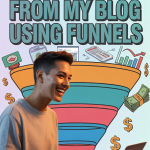
In the vast world of blogging, there’s a common thread that connects those who thrive with those who merely survive: understanding and implementing effective sales funnels. We’ve unlocked the secret to monetization and turned our passion for blogging into a million-dollar venture. It’s not just about writing great content: it’s about strategically guiding our audience through a well-structured funnel. In this text, we’ll share the principles that helped us generate $1,000,000 from our blog by leveraging funnels effectively. Let’s jump into how we transformed our blogging journey through this powerful strategy.
Understanding Funnels: The Basics
Funnels, in the context of blogging and online marketing, refer to the structured journey a potential customer takes, from initial awareness of a product or service to making a purchase. Understanding this journey is crucial for any blogger looking to monetize their platform.
When we think about funnels, we typically visualize them as a upside-down triangle. At the wide top, we have the awareness stage, where potential customers first encounter our brand. As we move down, the interest stage narrows, where prospects engage more seriously with our content. Further down, we enter the decision stage, where they consider purchasing, and finally, the action stage, where they buy.
Understanding these stages helps us create tailored content and marketing strategies designed to guide our audience from one phase to the next with intentionality. With funnels, we can analyze drop-off points and adjust our strategies to improve conversion rates.
The Journey to Monetization
Before we even thought about creating our first funnel, we embarked on a journey to understand our audience and their needs. This entailed diving deep into analytics, exploring which topics resonated with our readers, and identifying gaps in the market.
Initially, our monetization efforts were scattershot. We tried affiliate marketing, ad placements, and even selling digital products, but with limited success. It wasn’t until we recognized the importance of having a defined sales funnel that our approach shifted.
We began to envision how each piece of content could lead to a specific product or service, creating a seamless experience for our readers. This focus transformed our blogging goals, allowing us to streamline our monetization strategies into a cohesive path that led our audience directly to the content and products that fit their needs.
Building My First Funnel: Step-by-Step
Creating our first funnel was both exciting and daunting. Here’s a step-by-step overview of how we built it from the ground up:
Step 1: Define the Offer
We began by outlining a specific product that aligned with our audience’s needs. Whether it was an online course, an eBook, or a subscription service, having a clear offer was critical.
Step 2: Create Lead Magnets
We developed valuable lead magnets, freebies that entice visitors to join our email list. This could be a PDF guide, a checklist, or even an informative webinar.
Step 3: Design Landing Pages
Next, we created compelling landing pages that highlighted the value of our lead magnets. The landing pages were optimized for conversion, featuring persuasive copy and clear calls to action (CTAs).
Step 4: Craft Follow-Up Emails
Once users entered the funnel via our lead magnets, we crafted a series of follow-up emails that provided additional value and gently nudged them toward making a purchase.
Step 5: Test and Optimize
Finally, we constantly tested different components of our funnel, from headlines to images, to discover what resonated best with our audience.
Content Strategy: Fueling My Funnel
A strong content strategy is the backbone of any successful funnel. Here’s how we approached content creation to effectively fuel our funnel:
1. Understand Audience Needs
We leveraged surveys and social media interactions to gather insights into our audience’s pain points and desires. By understanding what our readers struggled with, we were able to craft content that filled those gaps.
2. Develop High-Quality Content
We committed to producing high-quality blogs that not only attracted visitors but also established our authority in the niche. This included comprehensive guides, how-tos, and case studies.
3. Interlink Relevant Content
By interlinking related blog posts, we guided readers deeper into our site, reinforcing the funnel experience. This strategy not only helps with SEO but also keeps users engaged longer.
4. Consistency is Key
We maintained a regular posting schedule, ensuring we always had fresh content to drive engagement and traffic to our funnels.

Driving Traffic: Attracting the Right Audience
Once our funnels were in place, we needed to attract the right audience to fill them. Here’s how we effectively drove traffic:
1. SEO Optimization
We implemented SEO best practices to ensure our blog posts were easily discoverable. This included keyword research, on-page SEO, and building backlinks.
2. Social Media Marketing
Utilizing platforms like Facebook, Instagram, and Pinterest helped us reach wider audiences. We encouraged sharing and interactions to amplify our visibility.
3. Paid Advertising
Investing in Facebook and Google ads allowed us to target specific demographics that matched our ideal customer profile. This was essential to getting our lead magnets in front of potential customers quickly.
4. Collaborations and Guest Posting
Partnering with other bloggers and influencers in our niche broadened our reach. Guest posting allowed us to tap into established audiences, driving new traffic back to our blog.
Analyzing Results: Tracking Success and Adjustments
To ensure our funnels were performing optimally, we had to consistently analyze results and make necessary adjustments. Here’s how we approached this:
1. Set Clear KPIs
We defined key performance indicators (KPIs) to gauge success, including conversion rates, click-through rates, and email open rates.
2. Use Analytics Tools
Utilizing Google Analytics and other tracking tools allowed us to monitor user behavior and funnel performance. This data was invaluable in identifying drop-off points.
3. A/B Testing
We frequently conducted A/B tests on various funnel elements, such as headlines, CTA buttons, and images, to determine what generated the best results.
4. Continuous Improvement
Based on our findings, we adjusted our strategies and content, continually refining the funnel experience to better meet our audience’s needs.
Scaling Up: Turning $1,000,000 into More
Reaching the $1,000,000 milestone was just the beginning. Here’s how we focused on scaling further:
1. Diversify Revenue Streams
We explored new product offerings, such as memberships, coaching, and consulting services, to diversify our income.
2. Automate Processes
We invested in tools that helped automate our workflows, from email marketing to social media posting, allowing us to focus on strategic growth.
3. Expand Audience Reach
By exploring new platforms and marketing channels, we increased our exposure. Tapping into webinars and podcasts drove engagement and attracted new followers.
4. Continued Learning
We never stopped learning. Attending workshops, courses, and networking events provided new insights that fueled our growth and kept our strategies fresh.
Conclusion
Building a million-dollar blogging business using funnels is not an overnight success story: it’s about understanding your audience, continually refining your approach, and remaining adaptable. We’ve shared our journey and the key strategies that transformed our blog from a simple platform into a profitable enterprise. With careful planning and execution, anyone can harness the power of funnels to significantly monetize their blog, creating not just an income stream but a thriving business.