Why people sell graduation rings now
People sell graduation rings for a variety of practical reasons, and the motivations can blend sentiment with practicality. Some alumni are decluttering after a move, downsizing, or clearing out memorabilia that no longer serves their daily life. Others inherit a relative’s ring and face a decision about its future—whether to keep a piece of family history, repurpose it into something wearable, or convert it into cash to fund a new chapter. Financial pressure can also play a role: a ring may be the easiest asset to sell quickly, providing liquidity for medical bills, education, or other obligations. For many, the ring becomes a disciplined project rather than a memory, a chance to extract fair value while minimizing risk.
This guide walks you through a practical, safety-minded approach to turning a graduation ring into cash or a more suitable form of value. It lays out a clear framework for deciding what to do with the ring, how to estimate its worth, and how to prepare it for sale so you maximize net proceeds. You’ll get a honest look at scrap value versus collector value, guidance on trustworthy buyers, and a step-by-step pre-sale checklist that helps you avoid common scams. By combining valuation basics—metal, stones, school insignia, and collectability—with a practical preparation routine and a channel-by-channel pricing view, you’ll walk away with concrete expectations, negotiation scripts, and a final decision checklist you can actually use. The outcomes you’ll expect range from melt/scrap value, which reflects the metal and stones alone, to collector or school insignia value, which can be higher when the ring has rarity, brand recognition, or alumni appeal. The right channel for your ring depends on those factors, your timeline, and your readiness to handle shipping, authentication, and payment logistics.
Ready to turn an idea into practical income?
Decide before you sell
A lean decision framework helps you avoid rushing into a sale that doesn’t serve your goals. Start by identifying whether you should keep, repurpose, donate, or sell for cash. Keeping preserves memory and meaning, repurposing creates something wearable or functional from the metal, donating supports a cause, and selling converts the ring into liquid value you can allocate elsewhere. Emotional and legal considerations come into play especially for inherited rings: confirm ownership with the executor or heirs, review any wills or guardianship documents, and consider whether selling would affect sentimental value or moral obligations to family members who may want the ring kept as an heirloom.
To put it into action, use this short decision framework. 1) Clarify ownership and any inheritance constraints with the responsible party or legal counsel. 2) List your top goals (liquidity within a month, sentimental preservation, or long-term value retention). 3) Weigh options: keep, resize into new jewelry, donate, or sell for cash. 4) Set a target price range based on metal weight and an initial appraisal at least, so you have a baseline. 5) Choose one or two trusted channels to pursue first, then test offers and verify seller protections before finalizing. This framework minimizes emotional sales pressure and helps you focus on safe, legitimate buyers who respect your needs and timeline.
How to estimate what your ring is worth
Value begins with fundamentals you can verify with reasonable accuracy. Metal type and weight set a baseline: gold, silver, or a mixed-metal design define the price you’d fetch if you sold to a scrap buyer. The presence and quality of gemstones—whether real stones, untreated or treated, and their sizes—also influence value, though many graduation rings feature costume stones that do not command the same premium as mined diamonds or fine gemstones. Maker marks, school insignia, and brand recognition can significantly boost resale value when a buyer sees a known pedigree or a limited-edition run. Personalization, such as engravings or inscriptions, can both add character and reduce appeal to a broad market, depending on how universally meaningful the inscription is. Age and condition matter: older rings may carry more collectable appeal if they represent a specific era or class ring style, while excessive wear or damage can lower value unless a professional repair or restoration is cost-effective. Finally, rarity and collectability can lift value for the right buyer, especially if the ring became a sought-after item within a school’s legacy.
To estimate, start with the hallmark checks and a careful visual audit. Look for metal stamps like 14K, 10K, or other hallmark codes that indicate precious metal content. If you’re unsure, a reputable jeweler can identify the metal and estimate weight to within a small margin. Check the stones for presence and general quality through a simple inspection: are stones set securely, do they show chips, cracks, or cloudiness, and are they genuine or synthetic? The school insignia and maker’s marks tell part of the story: a recognized maker or a historic class ring design can increase interest among collectors and alumni, especially if the school has a large, active alumni network. Weight matters too; a heavier ring with precious metal will be more valuable as metal, though this must be balanced against buyer fees and the likelihood of return on investment for a resale channel. Finally, condition and finish influence perceived value: dull or scratched finishes may be refinished, but heavy wear may deter some buyers who want pristine condition. The more accurately you document these attributes, the more confident you’ll be in pricing.
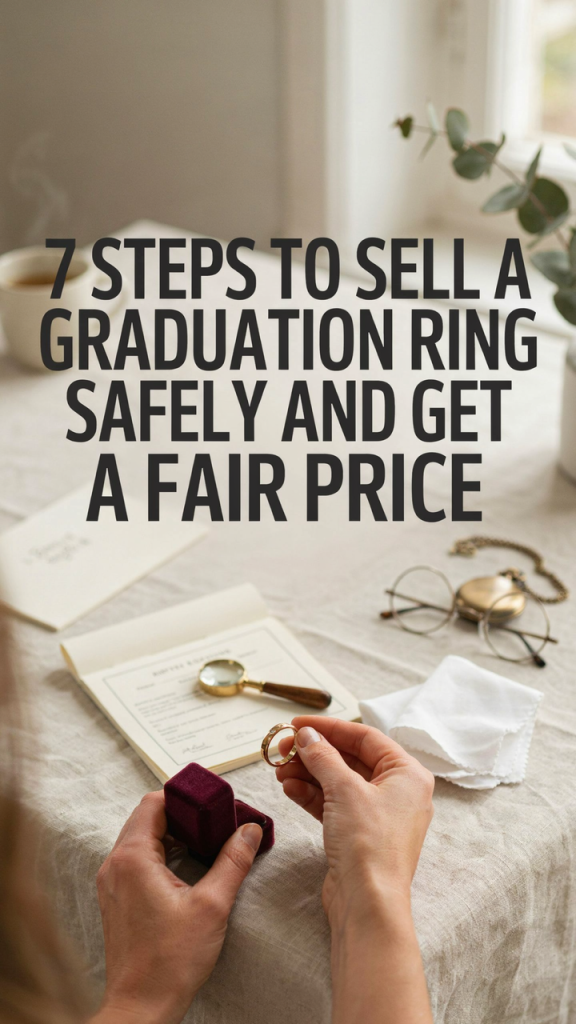
Finding marks and identifiers is simpler if you know where to look. Most rings hide hallmarks on the inner band—sometimes near the engraving or under the shank. Use a bright light and a loupe or a good magnifying glass to read tiny engravings. If you can’t locate marks, a professional appraisal can provide a credible baseline. If your ring carries school or maker logos, search for those marks online or ask a jeweler for a quick identification. An appraisal, even a basic one, can be a worthwhile investment when you’re weighing higher-value sales channels or planning to target collectors, because it gives you a solid price floor and a credible justification for your asking price. Remember, the goal is to set realistic expectations that align with the ring’s unique combination of metal weight, stones, branding, and historical appeal.
Simple tests and tools you can use at home
Non-destructive checks give you quick, actionable data without ruining value. Start with a magnet test: most precious metals used in graduation rings are non-magnetic, so a magnetic attraction can hint at base metals or added non-precious components. Visual inspection for hallmarks, maker stamps, and school insignias can confirm metal content and brand history, helping you separate the inexpensive costume rings from valuable vintage pieces. Weight is a surprisingly strong indicator of material value, especially if you have access to a precise scale; compare with typical ring weights for similar metal types to gauge whether your ring is heavier than expected for a standard design. For listing photos, a clean, simple scale reference helps buyers gauge size and mass quickly. Smartphone photos benefit from good lighting, minimal lens glare, and a neutral background; shoot from multiple angles and include a close-up of any hallmark or insignia.
When to seek a professional appraisal is a practical question. If you have a ring with potential significant brand value, rare school insignia, or unusually high metal content, a quick, professional appraisal can give you an authoritative price range and enhance buyer trust. If you’re unsure about the metal, the presence or absence of stones, or the exact branding, a certified appraisal can prevent misrepresentation and preserve your negotiating leverage. For many, a practical route is to start with the at-home checks, then obtain a professional appraisal only if the results suggest material value or if you plan to pursue higher-value channels like auctions or specialist collectors. Keep records of your tests, photos, and any inscriptions; these documents help when assembling a listing and justify your asking price to serious buyers.
How to prepare your ring to get a better price
Effective preparation blends safe cleaning with high-quality presentation. Start with safe cleaning practices that won’t damage metal, stones, or inscriptions. Mild soap, warm water, and a soft brush typically do the job for routine dirt, but avoid harsh chemicals or ultrasonic cleaners that could loosen stones or degrade certain finishes. Dry thoroughly with a soft cloth, and inspect the setting for any loosened stones or prongs that could need professional tightening before listing. If you’re unsure about stone integrity or prong security, consider a quick check with a professional jeweler, which costs money but can prevent a lowball offer caused by obvious wear or insecurity. A well-cleaned ring not only photographs better but also signals to buyers that you’re a serious seller who respects the asset.
Photographs are your strongest selling tool. Capture the ring from multiple angles, include a scale reference (a ruler or a common coin), and shoot in natural light to show true color and luster. Close-ups of hallmarks, branding, and any inscriptions help verify authenticity and provide a clear provenance. Documentation matters too: gather original purchase receipts, warranty cards, appraisal reports, or any certificates that accompany the ring—if you don’t have them, create clear photos of the inscription and ring design to help buyers verify authenticity. Optional professional cleaning and appraisal can be worth the cost if your ring has a high potential resale value or significant brand recognition. If you do choose professional services, compare costs against the expected price lift to confirm that the expense makes financial sense for your goals.
Pricing fundamentals
Pricing involves distinguishing melt or scrap value from resale or collector value, and then accounting for buyer margins and fees. Melt value refers to the raw material worth based on metal content, independent of design, brand, or sentimental factors. Resale or collector value, by contrast, captures design appeal, brand identity, school insignia, age, and rarity. Most buyers apply a margin to cover their overhead and risk, so expected offers often fall below the total appraised value, especially through quick-turn channels. It’s also important to recognize typical buyer fees and margins by channel, including pawn shops, online buyers, and consignment outlets, to avoid surprises during negotiations. When researching prices, you’ll want to compare completed listings and recent sales for similar rings—mindful that identical rings rarely exist, but closely related models and insignia will give you a workable benchmark.
To price effectively, start by establishing a price floor based on a conservative appraisal of metal content and condition, then determine a target range that reflects collectability. Research comparable sales and try to identify rings with similar metal types, school insignia, and era—ideally from the same school or a nearby peer institution with a similar class year. Consider the condition and any unique features, such as exclusive clasps or limited-edition school identifiers, which can push value higher for the right buyer. The final price should reflect both objective factors (metal content, gemstone presence) and subjective appeal (brand affiliation, era style, and alumni interest). When you’re ready to engage buyers, tailor your approach to the channel: a well-documented, accurately priced listing that clearly communicates metal content, hallmark details, and provenance tends to earn faster, safer offers.
A side-by-side channel view helps you prepare your negotiation script and expectations. Pawn shops tend to pay quickly but offer lower, “as-is” prices and rely on walk-in traffic; online cash-for-jewelry buyers provide convenience and faster transactions but may levy processing fees and shipping requirements; consignors may achieve higher selling prices but require more time and share in the final sale; auctions or collector markets can maximize price for rare or highly branded rings but require patience and careful description; alumni networks or school-affinity marketplaces can realize strong demand for certain insignia but require trust-building and verification. For each channel, you’ll want a concise negotiation script and a clear understanding of shipping responsibilities, insurance, payment methods, and the expected costs. Prepare a final decision checklist that aligns with your goals, timeline, and comfort with risk.
- Pawn shop: Approach with a calm, clear price target based on melt value plus a modest premium for the brand. Script: “Here’s the metal weight and karat, plus the hallmarks confirming origin. I’m looking for a fair cash offer today or I’ll walk away to consider other bids.” Fees and logistics: expect immediate payment, often in cash or on a debit card; you may receive a quick, lowball offer; bring your photo and hallmark evidence to support your ask, and request a written offer before handing over the ring. Shipping: typically not required for walk-in pawn shops; if in-person, ensure you receive a receipt and a serial number; payment: cash preferred; if offered a check, verify it is legitimate before leaving.
- Online cash-for-jewelry buyer: Emphasize convenience and security; scripts emphasize verifying authenticity. Script: “Here are close-up photos of hallmarks, insignia, and the condition of the setting; please provide a formal, written quote based on the provided information and your current melt value assumptions.” Fees/logistics: expect a quoted price with a processing margin or shipping guidelines; payoff via direct transfer or PayPal; ship insured with signature on delivery; use a traceable shipping method; ensure you receive a receipt and a tracking number.
- Consignment shop: Focus on higher price potential, but long timelines. Script: “If we can agree on a price within your listed range and transparent commission terms, I’d like to proceed; I’ll provide a full photo set and the provenance.” Fees and logistics: consignment typically takes a percentage of the final sale; you should clarify a minimum price, expiration window, and who pays for authentication or restoration if needed; shipping and handling: you’ll need a secure way to send the item and provide insurance.
- Auction house / online auctions: Potential for top-dollar but longer process. Script: “I’m targeting a fair market value for a ring with these marks and this provenance. Please review the insignia and provide a detailed appraisal and reserve price.” Fees: auction houses charge a percentage of the sale price; shipping and insurance are often the buyer’s responsibility but may be negotiated; shipping best practices: use insured, trackable shipping with signature confirmation.
- Direct sale to a collector or school-affinity buyer: Good upside for branded rings with a strong following, but requires networking and proof of authenticity. Script: “I’m presenting a well-documented ring with these marks, this provenance, and this condition; I’m seeking a price in the upper end of comparable sales for a quick sale.” Fees: avoid extra charges where possible; shipping: insured, signature required; payment: secure payment methods such as bank transfer or escrow when dealing with a buyer you know or a credible platform.
Final tip: when negotiating, anchor your price by presenting the strongest data first, such as a brief summary of hallmarks, metal content, and the most compelling part of the legacy (e.g., an anniversary year that adds metaphorical value for alumni or a rarity in a school’s class ring history). A well-reasoned price anchor helps you stand your ground and reduces the chance of a seller’s remorse-driven counteroffer.
Final checklist and next steps
- Gather all documentation, receipts, and photos: secure provenance, hallmarks, and any certificates to support the price you’re asking.
- Inspect and document the ring: take clear, high-resolution photos from every angle, including close-ups of hallmarks, gemstones, and engraving.
- Decide your target channel: choose one or two channels to pursue first based on your timeline and how hands-on you want to be.
- Prepare a negotiation script and a price range: anchor with the strongest, most credible data you have and be prepared to walk away.
- Verify safety and shipping procedures: insist on insured shipping, tracking numbers, and signature confirmation; prefer payment methods that leave an audit trail.
In the end, your decision should balance your emotional attachment, your financial needs, and your readiness to handle the sale process securely. A thoughtful approach that prioritizes accuracy, documentation, and buyer protections will normally yield the best outcome—whether you end up with cash, a repurposed piece of jewelry, or a well-documented sale that honors the ring’s legacy. If you take the time to prepare, you’ll avoid common scams, maximize your proceeds, and move forward with confidence.
Final paragraph: By combining careful valuation with a clear pre-sale plan and a practical channel strategy, you can transform a graduation ring from a memory into a well-managed transaction that respects the past while supporting your present goals.