Streaming shows and movies are already part of many people’s daily routines. What if some of that time could bring in real side income—without signing away your weekends or pretending every view will make you rich? This guide lays out practical, realistic ways to earn money from Netflix and other streaming platforms: quick micro-tasks you can do tonight, higher-leverage creative projects you can scale, and professional roles that pay better but require skill. You’ll get decision checklists, sample pitches, tools to use, realistic pay ranges, red flags, tax basics, and a 30-day plan to get started.
Key Takeaways
Why watching streaming content can be a legitimate side income
– What “paid watching” really means
Paid watching falls into a few categories: microtasks that pay a few dollars for brief viewing or feedback; paid research or user-testing gigs that pay more for structured sessions; content creation and publishing that monetize your opinions or commentary; and professional work (captioning, QA, moderation) tied to streaming workflows. None are overnight wealth schemes. Expect small, steady earnings at first and opportunities to scale with skills and consistent effort.
- Why companies pay people to watch
Streaming services, studios, advertisers, and market research firms need human feedback on usability, content appeal, caption quality, and metadata. Creators and platforms also need reviewers and content partners to build audiences. That demand creates legitimate, repeatable work that fits a side-hustle model. - Who this fits best
This path suits students, freelancers with flexible schedules, content creators building a niche, and anyone willing to trade screen time for low-to-moderate hourly returns initially while investing time into higher-leverage channels.
Ready to turn an idea into practical income?
Reality check: myths vs. facts
– Myth: You’ll get paid every time you watch a show.
Fact: Most paying opportunities compensate for a specific task—completing a survey, providing a structured review, or participating in a focus group—not passive viewing.
- Myth: Streaming platforms will hire you to watch full episodes for content curation.
Fact: Some platforms hire for quality assurance, captioning, and metadata tagging, but these roles typically require screening, training, and sometimes a portfolio. - Myth: You can post full episodes for ad revenue.
Fact: Uploading full episodes or unlicensed clips risks copyright strikes and channel takedowns. Monetization works when you transform content (reviews, analysis, reaction with original commentary) and follow fair-use best practices. - Typical time investment and pay expectations
Start with microtasks: short surveys and paid surveys may take 5–20 minutes for $1–$10. User tests and focus groups are often 30–90 minutes for $25–$200 depending on the client and the depth. Freelance writing, reviewing, or creating video content can start slowly but scale: early work might net $20–$100 per piece; experienced creators can monetize through ads, sponsorships, or memberships. Professional captioners, transcribers, and QA testers often charge $10–$30+ per hour depending on speed and skill.
How to evaluate opportunities safely
– Red flags to watch for
– Upfront fees or “training” payments required from you.
– Vague payment terms, no clear payment method, or refusal to provide contract details.
– Pressure to recruit others or pyramid-like structures.
– Requests to share sensitive personal or financial data beyond basic tax forms.
– Platforms with no online presence aside from a single recruitment post.
- Vetting platforms and clients
- Check for clear payment schedules, contract terms, and contactable support.
- Look for consistent job posts, sample tasks, and transparent deliverables.
- Ask for references or examples of similar tasks they’ve paid for.
- Read reviews from multiple independent sources and forums—but weigh them cautiously; naysayers and promoters both appear.
- Contracts, IP, and data privacy basics
- Always read scope, deliverables, payment timing, and ownership of work. For creative content, clarify whether you retain rights to your reviews or footage.
- Be cautious with NDAs and data access to unreleased content—ensure payment terms cover the sensitivity and potential legal exposure.
- Understand how any platform will use your data and whether you’ll need to provide tax forms like a W-9 (U.S.).
- Tax basics
- Income from side gigs is taxable. Keep records of payments and invoices.
- Track deductible expenses (software, equipment, subscription fees) but consult a tax pro for specifics.
- If you expect to owe more than a minimal amount, set aside money for estimated quarterly taxes.
Quick wins: fast ways to earn from watching
These methods are low-friction and can be mixed into downtime. They pay modestly but are immediate.
- Paid surveys and panels
- What they are: Companies survey viewers about shows, ads, or streaming experiences.
- How to start: Sign up for reputable survey panels and opt into entertainment or media categories. Complete profile surveys fully to receive relevant invites.
- Time/pay: 5–30 minutes per survey; typical pay ranges from $1–$20 depending on length and specificity.
- Pro tip: Create a dedicated email and calendar slot for survey invites to avoid missing higher-paying opportunities.
- Short video microtasks
- What they are: Watch short clips to tag themes, rate emotion, or flag issues.
- Where to find them: Microtask platforms and app-based gig marketplaces.
- Time/pay: Often $0.05–$1 per microtask; stackable if you can complete many accurately.
- Pro tip: Build speed and accuracy—many platforms reward high-quality workers with bonus opportunities.
- Ad-watching reward apps
- What they are: Apps offer small payments or gift cards for watching ads and short videos.
- How to use: Install reputable apps, set up PayPal or gift-card options, and track hourly conversion rates.
- Time/pay: Short sessions produce small rewards; best as a supplement rather than primary income.
Paid testing and user research
User research for streaming services and devices tends to pay better than microtasks and often involves live interviews or structured testing.
- Types of paid testing
- Remote moderated sessions: You’ll share your screen, answer questions, and provide feedback in real time.
- Unmoderated tasks: Complete predefined tasks and submit recordings or written feedback.
- Focus groups: Group sessions discussing shows, concepts, or interface prototypes.
- How to sign up
- Join market research firms’ panels and user-testing platforms. Look for panels that specify streaming, entertainment, or UX testing.
- Keep an updated profile and portfolio of devices (TV brand, streaming stick, OS versions) and viewing habits—screeners often select based on device ownership.
- Screening tips and preparation
- Respond accurately to screener questions—misleading answers can disqualify you later.
- Test your camera, microphone, and screen recording in advance.
- Prepare specific examples (favorite shows, device quirks) so your feedback is concrete and useful.
- Typical pay
- Remote tests and focus groups commonly pay $25–$200 per session. Longer or more specialized studies (involving unreleased content) may pay more.
Content-creation routes that scale
If you enjoy writing and have a perspective, turning opinions into content is a high-leverage path. It takes time but can produce recurring income.
- Choosing a niche
- Be specific. “Horror anthology reviews” or “streaming family TV for parents” is more actionable than general “TV reviews.”
- Match a niche to your knowledge, passion, and underserved topics.
- Content formats
- Long-form reviews and episode breakdowns.
- Roundups and “what to watch” lists.
- Deep dives into production, themes, or creator interviews.
- Short takes—quick reads for busy audiences.
- SEO and keywords
- Aim for keywords people search when they’re choosing what to watch: show + review, episode guide, best [genre] on [platform].
- Publish consistently to build search visibility. Prioritize quality over quantity.
- Publishing cadence and tools
- Start with one solid piece per week or two shorter pieces per week.
- Use a basic blog or newsletter platform, and repurpose posts into social snippets and pinned lists.
- Monetization options
- Affiliate links (where allowed), display ads, sponsorships, paid newsletters, and membership tiers for exclusive content.
- Sell content packages—series guides, themed watchlists, or sponsor-ready episodes for brands.
- Sample content checklist (startup)
- Pick niche and 10 topic ideas.
- Draft an editorial calendar for 4–8 weeks.
- Set up a blog or newsletter and social profiles.
- Publish first three pieces, optimize titles and meta descriptions, promote on relevant subreddits/groups.
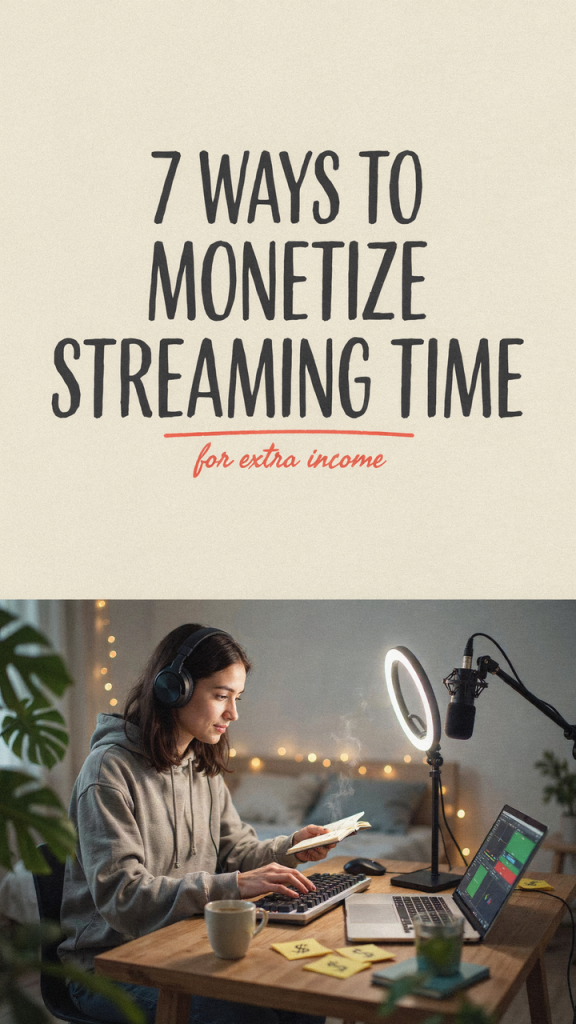
Video and audio monetization
Video and audio give you multiple ways to monetize, but copyright and production quality matter.
- YouTube reviews and reaction videos
- Production basics: Good audio arguably matters more than video. Use a decent mic, stable lighting, and concise scripts.
- Copyright considerations: Don’t upload full episodes. Use short clips for commentary, keep them transformative (analysis, critique), and use onscreen citations. Be prepared to mute or replace copyrighted audio if YouTube issues a claim.
- Monetization funnels: Ad revenue (after channel eligibility), affiliate links in descriptions, Patreon or memberships, sponsorships.
- Sample revenue expectations: New channels often earn little from ads; sponsorships and affiliate deals typically yield the earliest reliable payment as your audience grows.
- Livestream watch-alongs
- Formats: Host live reactions, timed with new episodes, and encourage chat engagement. Use overlays and talk breaks to add original commentary.
- Monetization: Tips, channel memberships, brand deals for livestream segments.
- Legal tip: Don’t stream the full episode; synchronize a timer and ask viewers to watch on their own devices, while you provide commentary.
- Podcasts
- Formats: Episode reviews, creator interviews, industry roundups.
- Production basics: Clear audio, consistent length, and show notes with links.
- Monetization: Sponsorship reads, listener donations, premium episodes, affiliate links.
- Distribution: Publish on major podcast platforms and promote with show notes and timestamps for SEO.
- Sample video workflow (low budget)
- Plan episode: title, 3 key talking points, call to action.
- Record with phone or webcam, use a plug-in mic if possible.
- Edit to remove dead air, add brief clips and graphics, and include links in the description.
Freelance and professional gigs
There are paid opportunities beyond casual content creation—roles that need credentials or samples but pay better.
- Paid critic and reviewer roles
- How to find openings: Entertainment sites, local publications, and specialty blogs sometimes seek contributors. Pitch regularly with a clear slate of topics you can cover.
- Portfolio tips: Publish 5–10 strong pieces on your own site or a Medium-like platform. Include concise links and a headline-focused resume.
- Editorial contributions and content packages
- Offer bundled services: 4 reviews per month + social snippets + newsletter inclusion.
- Pricing approach: Base rates for single pieces and discounted packages for recurring work.
- How to pitch (sample template)
- Subject line: Quick pitch — [Your Name] — Ready-made review series on [Niche]
- Body:
- Short intro: Who you are and one relevant credential.
- Hook: A short sentence about the angle you propose (e.g., “I’ll write a weekly ‘What Parents Should Know’ column focusing on streaming family releases.”)
- Deliverables: Number of pieces, length, timelines, and one sample headline.
- Rate: Clear pricing for one-off and a discounted monthly package.
- CTA: Offer to send writing samples and propose a 15-minute call.
- Attach relevant samples or links to published work.
- Where to find gigs
- Niche job boards, editorial calls on publishing platforms, and freelance marketplaces. Networking with editors and other writers is often the fastest route to steady work.
Technical and support roles related to streaming
If you have technical skills, these gigs often pay more and are regularly available.
- Captioning and transcription
- What’s needed: Fast, accurate typing, good hearing, and familiarity with captioning standards (speaker IDs, timing).
- Training resources: Free practice videos and platform onboarding tests.
- Platforms: Captioning companies and streaming partners often hire freelance captioners; contracts vary from per-minute rates to hourly pay.
- Pay ranges: Often $0.50–$2.00+ per audio minute or $10–$30 per hour depending on speed and complexity.
- Quality assurance (QA) and testing
- Skills required: Attention to detail, ability to reproduce bugs, clear reporting.
- Tasks: Check playback across devices, report crashes, verify UI text and translations.
- How to get started: Build screenshots of device setups and report samples. Look for contract QA roles and short-term test cycles.
- Content moderation
- Tasks: Flagging inappropriate user comments, ensuring community guidelines are met for streaming chat and forums.
- Requirements: Sensitivity training, fast decision-making, and familiarity with platform policies.
- Pay ranges: Often hourly; vary widely based on the employer and level of supervision required.
Tools and workflows that speed up earnings
– Time-tracking and invoicing: Use a simple tool to log hours and send invoices. Keep separate accounts for side income.
– Recording and editing: Phone camera + clip-on mic can produce solid video. Freemium editing software is fine for starting.
– Transcription aids: Automated transcription speeds workflow; always proofread for accuracy before submission.
– Research and SEO: Keyword planners and simple analytics help choose topics that attract search traffic.
Realistic downsides and how to manage them
– Low starting pay: Treat early months as learning and audience-building. Focus on efficiency and reuse content across formats.
– Copyright risk: Don’t upload full episodes; add original commentary and transform clips. If you get a content claim, respond professionally and be ready to change future practices.
– Burnout: Mixing passive viewing with active work is mentally different. Schedule focused work blocks for editing and writing rather than binge-watching.
– Income variability: Diversify—combine microtasks, periodic user tests, and at least one scalable content channel.
30-day action plan to launch a side income stream
Week 1 — Discover and sign up
– Day 1–2: Pick two quick-win channels (one microtask platform or survey panel; one user-testing platform). Create accounts, fill profiles fully, and set payment details.
– Day 3–4: Choose a content niche. Brainstorm 10 topic ideas and decide whether you’ll focus on written, audio, or video content.
– Day 5–7: Create a basic content home (simple blog or newsletter) and set up a social profile for promotion.
Week 2 — Produce and test
– Day 8–10: Complete three microtasks or surveys. Track time vs. pay to assess ROI.
– Day 11–14: Record one piece of content (review, short video, or podcast episode). Keep production lean—aim for an MVP you’re proud of.
Week 3 — Publish and pitch
– Day 15–17: Publish your first piece. Share in niche communities and relevant social channels.
– Day 18–21: Pitch three small sites or editors using the sample template above. Offer value first (exclusive angles or curated lists).
Week 4 — Optimize and expand
– Day 22–24: Apply to at least two captioning/transcription or QA gigs. Submit samples and complete tests.
– Day 25–27: Review performance: which microtasks paid best, which content attracted engagement?
– Day 28–30: Plan month two: double down on the best-paying microtasks and publish two regular content pieces per week. Outline potential sponsorship targets and an outreach list.
Sample pitch templates
– Pitching a publication for reviews
– Subject: Review proposal — [Your Niche] coverage
– Body: Hi [Editor], I’m [Name], I write about [niche]. I’d like to contribute a weekly review series focused on [angle]. I can deliver 600–900-word reviews with social snippets. Samples here: [link]. My rate: $X per 800-word piece or $X/month for four pieces. Happy to discuss a test piece. —[Name]
- Applying for captioning work
- Subject: Captioner application — [Your Name]
- Body: Hi, I’m an experienced captioner with X wpm and training in captioning conventions. I’ve completed sample files (attached) and can deliver accurate captions within X hours per 30-minute episode. My rate: $Y per audio minute. I’m available for project-based and ongoing work. —[Name, contact info]
Final decision points before committing
– Time vs. pay: If a task pays under your target hourly rate, consider whether it’s worth the learning or portfolio benefit.
– Ownership: For creative content, ensure you retain the right to reuse your work.
– Legal exposure: Don’t sign NDAs that prevent you from earning elsewhere or that impose unrealistic penalties.
– Diversification: Plan at least two revenue channels—one immediate (microtasks) and one scalable (content, freelancing).
A realistic closing note
Turning streaming time into a steady side income is doable, but it’s a layered process: take quick wins to get immediate cash, use paid testing and freelance gigs for medium-term bump, and invest in content or technical skills for higher returns over time. Track your time, treat early months like an experiment, and protect yourself by vetting opportunities carefully. Start small, iterate, and within a few months you’ll have a diversified portfolio of income streams built around content you already enjoy.