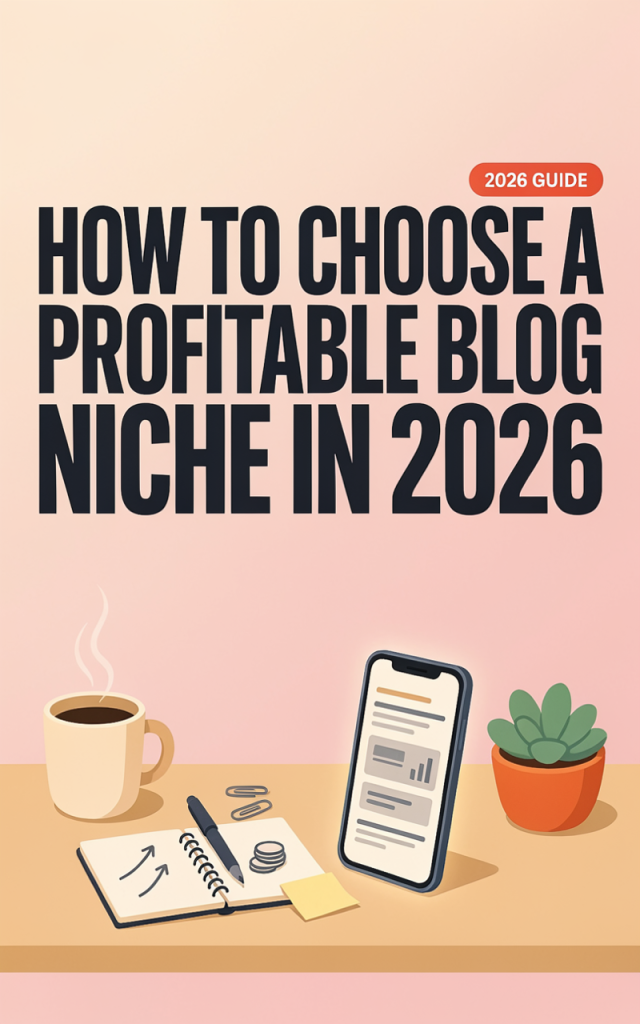
Finding a profitable blog niche in 2026 feels like trying to hear the quietest voice in a noisy playground — doable with the right strategy. This guide walks you through smart, mom-friendly niche ideas (with real setup steps and realistic startup costs) and the decision criteria to pick the one that fits your life, passions, and earning goals. Whether you’re building a long-term income stream or a flexible side hustle between school runs, you’ll get actionable next steps you can start today.
1) Meal Planning & Family Budgeting Blog
Description
A blog focused on weekly meal plans, budget-friendly recipes, grocery savings, and family money habits. Moms love content that saves time and money — this niche converts well to digital products (meal plans, printable grocery lists), affiliate partnerships (kitchen gear, pantry staples), and inexpensive membership communities.
Practical setup steps
– Decide your angle (e.g., 30-minute dinners, frugal family meals, allergen-free budgeting).
– Buy a domain and reliable website hosting.
– Follow a simple guide to starting a blog and set up a clean food-focused theme.
– Create 10 pillar posts: weekly meal plans, shopping lists, budget tips, and 5-10 recipe posts.
– Use Pinterest for traffic: make vertical pins and schedule them.
– Automate your content promotion with a social media scheduling tool to post pins and social updates.
– Build an email list and, later, a simple sales funnels to sell meal plan bundles.
Estimated startup costs
– Domain: $10–$15/year
– Website hosting: $5–$30/month
– Theme & plugins: $0–$100 one-time
– Social scheduler: $10–$30/month
Total initial range: ~$30–$200 (first month), then $15–$60/month.
Want a fast, proven way to spin up a profitable project? Check this out:
2) Educational Activities & Homeschooling Resources
Description
A niche that offers printable worksheets, activity plans, craft ideas, and short lesson plans for preschool and elementary-aged kids. This appeals to stay-at-home moms doing supplemental schooling or flexible homeschoolers.
Practical setup steps
– Narrow to an age group and subject focus (e.g., preschool literacy, STEM for little hands).
– Set up hosting (website hosting) and follow the steps to starting a blog.
– Create free printable “lead magnets” to grow your email list.
– Market free samples on Pinterest and pin regularly via a social media scheduling tool.
– Create low-cost digital downloads (printables, lesson packs) and a membership area behind a simple sales funnels.
Estimated startup costs
– Domain + website hosting: $15–$50 first month
– Design tools (Canva Pro or similar): $0–$12.95/month
– Printable templates: $0–$50 one-time
Total initial: ~$30–$120.
3) Health & Time-Saving Fitness for Busy Moms
Description
Short workouts, postpartum-friendly routines, and time-saving wellness tips that fit nap schedules and errand days. Monetization comes from affiliate fitness gear, workout plans, and digital coaching.
Practical setup steps
– Choose your fitness angle and age/delivery considerations.
– Launch your site with website hosting and the starting a blog checklist.
– Produce video shorts and 10-minute workout blog posts. Share video clips on Pinterest and social platforms using a social media scheduling tool.
– Package a “4-week mom fitness plan” as a paid product, delivered via an email sales funnel.
Estimated startup costs
– Domain + hosting: $15–$50 initial
– Basic video equipment (phone tripod, mic): $30–$150
– Editing tools/subscriptions: $0–$20/month
Total initial: ~$50–$250.
4) Work-From-Home Freelance Coaching & Guides
Description
Teach other moms how to get freelance work, manage client schedules, or start a freelance business. This niche monetizes via course sales, coaching, and affiliate partnerships with platforms and tools.
Practical setup steps
– Pick a specific freelance skill or general freelancing for moms.
– Create cornerstone how-to guides and a “starter checklist” lead magnet.
– Set up a site (use website hosting) and publish consistent content.
– Recommend marketplaces and tools — and show readers how to find work on platforms like Upwork and Fiverr.
– Offer a small coaching package and automate bookings, then scale to group courses using a sales funnels.
Estimated startup costs
– Domain + website hosting: $15–$50
– Course platform or funnel builder: $0–$50/month (varies)
– Optional ads or course production: $0–$300
Total initial: ~$15–$400.
5) Budget Fashion, Thrifting & Capsule Wardrobe
Description
A blog that curates affordable outfit ideas, thrift flip tutorials, and capsule wardrobes for childcare-friendly living. Good for affiliate fashion links, sponsored posts, and printable shopping guides.
Practical setup steps
– Define your style and price points.
– Launch your blog with website hosting and get a handful of outfit posts ready.
– Use Pinterest for lookbook pins and schedule them with a social media scheduling tool.
– Monetize with affiliate links to budget retailers, thrift sourcing guides, and curated shopping lists.
Estimated startup costs
– Domain + hosting: $15–$50
– Photography basics (good natural light, phone tripod): $0–$50
– Styling props or small inventory: $0–$100
Total initial: ~$15–$200.
6) Home Organization & Simple DIY Projects
Description
Share step-by-step organizing systems, easy DIY upgrades, and minimalist routines tailored for families with small children. This niche converts to printables, e-books, YouTube/Pinterest traffic, and sponsored content.
Practical setup steps
– Pick a target area (kitchen organization, toy rotation, small-space storage).
– Create photo-heavy tutorials and printable checklists.
– Host your site via website hosting and promote content on Pinterest.
– Offer downloadable room-by-room plans and upsell bundled plans via a sales funnels.
Estimated startup costs
– Domain + hosting: $15–$50
– Basic supplies and props: $0–$100
– Design templates: $0–$50
Total initial: ~$15–$200.
7) Small Biz & AI Tools for Mompreneurs
Description
Teach other moms how to use AI tools to automate content, create product images, or manage customer messages. You can monetize with tutorials, templates, affiliate tool recommendations, and short paid workshops.
Practical setup steps
– Learn 2–3 accessible AI tools and document simple workflows.
– Start a blog (use website hosting and a starting a blog plan) focused on “AI for busy business owners.”
– Produce quick tutorials and templates sold as digital downloads; use a sales funnels to convert readers into buyers.
– Hire help for design or content tasks on Upwork or Fiverr if you prefer to scale faster.
Estimated startup costs
– Domain + hosting: $15–$50
– Learning resources or small tool subscriptions: $0–$50/month
– Outsourced help (optional): $20–$200
Total initial: ~$15–$300.
How to choose which niche is best for you (quick checklist)
– Interest + patience: Will you enjoy writing about this topic monthly for a year?
– Audience size & search intent: Use simple keyword research to confirm people are searching for solutions you can provide.
– Monetization fit: Can you sell digital products, affiliate products, or services naturally? (Consider low-friction options like printables, mini-courses, or memberships.)
– Time to create content: Pick a niche that fits your daily rhythm — micro-commitments (10–30 minutes) work better for busy moms.
– Competition and angle: Look for congested topics where you can offer a distinct angle (age-specific, budget-focused, quick timeframes).
Quick action plan to get started this week
1. Pick 1 niche idea above that excites you most.
2. Reserve a domain and set up website hosting.
3. Follow a short checklist for starting a blog: install theme, create About/Contact pages, set up email capture.
4. Create 5 pillar posts and 5 shareable Pinterest images — then schedule them with a social media scheduling tool.
5. Consider one growth tactic: a small freebie lead magnet, a beginner paid product, or a low-cost workshop.
If you want a fast revenue-focused option, consider pairing content with easy monetization like affiliate deals, micro-courses, or even recommending paid services and tools. You can also explore simple paid attention-getters like product testing or quick surveys (if you plan to monetize with consumer feedback, look into surveys carefully as low-effort income options).
Start small, validate quickly, and scale what works. Even an hour a day can build a meaningful income stream over months — and the right niche will make that hour feel worthwhile.