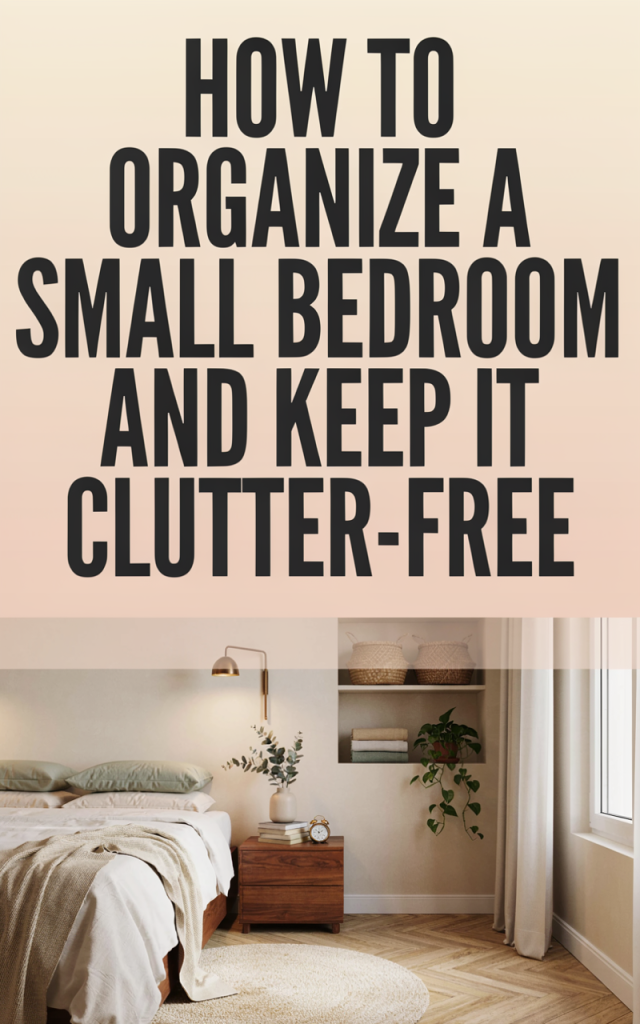
Keeping a small bedroom tidy doesn’t require a complete makeover or expensive furniture — just smart systems that fit your life as a busy stay-at-home mom. This post gives practical, low-cost strategies to reclaim space, reduce daily stress, and stop clutter from piling up again. Read on for realistic habits and a simple way to turn your organizing skill into extra income if you want to.
Key Takeaways
Why small spaces feel chaotic
– Less surface area = less room for things to hide. Clutter shows up fast.
– Competing needs (sleep, storage, play area, laundry) make every square inch valuable.
– Habits beat one-time cleanups: a 10-minute daily reset prevents overwhelm.
Quick organizing wins you can do this weekend
– Purge with purpose: set a small timer (15–30 minutes) and remove items you haven’t used in 6–12 months. Have a donate box and a trash bag ready.
– Create zones: sleeping, dressing, and a 2-minute tidy zone (for phone, keys, glasses). Keep items in their zones.
– Use vertical space: tall bookshelves, wall hooks, and over-the-door organizers free up floor area.
– Under-bed strategy: slide bins with dividers for seasonal clothes, extra sheets, or sentimental boxes.
– Nightstand minimalism: limit to essentials — lamp, book, glasses. Use a drawer or slim basket for extras.
– Closet triage: add slim hangers, a second hanging rod, or a hanging shoe organizer to multiply space.
– Merge functions: choose a bed with built-in drawers or a bench that hides toys/linen.
– Daily 10-minute reset: every evening do a quick sweep — dishes, laundry, surface reset.
– Kid-friendly rotation: if toys take over, pack half away and rotate weekly so fewer toys are out at a time.
– Donation drop-off routine: once a month, put items in a donation bag and drop them off on the way to an errand.
Smart storage buys that actually help
– Baskets and bins with labels for quick drop-and-go.
– Slim rolling carts for bedside storage instead of bulky nightstands.
– Clear under-bed bins so you can see what’s inside.
– Over-the-door shoe pockets for small items like chargers, masks, and baby socks.
Habit cues that keep a system alive
– One-in, one-out rule: when a new item arrives, something leaves.
– Put it away now: folding laundry and putting it away immediately keeps piles from building.
– Quick daily surfaces check: 5 minutes to clear counters, dresser tops, and the floor.
– Family roles: give kids small, age-appropriate jobs (toy return, laundry sorting).
Business Idea: Offer Virtual Bedroom Decluttering Consultations
Description
Turn your knack for small-space organizing into a flexible side hustle helping other busy parents reclaim calm in tiny bedrooms. Offer short video consultations, personalized action plans, and simple follow-up check-ins. You can work evenings or nap times and scale up with digital products or group workshops.
Practical setup steps
1. Define your offer: decide on a 30–60 minute consultation package, a follow-up checklist, and an optional shopping list for suggested organizers.
2. Create a simple online presence: start by starting a blog or a one-page service site to showcase before/after photos, testimonials, and booking info. Secure reliable website hosting for a professional look.
3. Set pricing and packages: example — $40 for a 30-minute session, $75 for a 60-minute session with a tailored plan.
4. Take bookings and payments: use simple scheduling tools or link payments through PayPal/Stripe.
5. Market locally and online: create short tips videos and pin your before/after photos to Pinterest to drive traffic. Use social media scheduling to keep posts consistent without daily effort.
6. Automate follow-up: build a small email sequence or a lightweight sales funnel to capture leads and remind clients of bookings.
7. Outsource tasks as needed: hire help for photo editing or admin on Upwork or quick gigs on Fiverr.
Estimated startup costs
– Domain + basic website hosting: $30–$100/year
– Simple online scheduling/payment tools: $0–$15/month
– Basic supplies for demo/styling (bins, labels): $30–$100
– Optional promo ads or paid templates: $0–$100
Estimated total: roughly $60–$315 to get started, depending on choices.
Extra ways to grow (without burning out)
– Create a simple lead magnet (a one-page bedroom checklist) and offer it on your blog or social profiles.
– Pin consistently to Pinterest with before/after boards to attract customers searching for quick fixes.
– Use social media scheduling so your marketing happens in a single afternoon each week.
– If you prefer not to build a website, offer services through marketplaces and hire admin help via Upwork or Fiverr for tasks you don’t enjoy.
– As you book clients, consider a basic sales funnel to automate bookings and follow-ups.
Small space, big relief
A clutter-free small bedroom comes from simple systems you can keep up with five minutes at a time. Start with one drawer, one corner, or a 10-minute nightly reset — then add one habit each week. If you enjoy helping others, turning your skill into a flexible side hustle can be a low-cost, family-friendly way to earn while doing something you love.