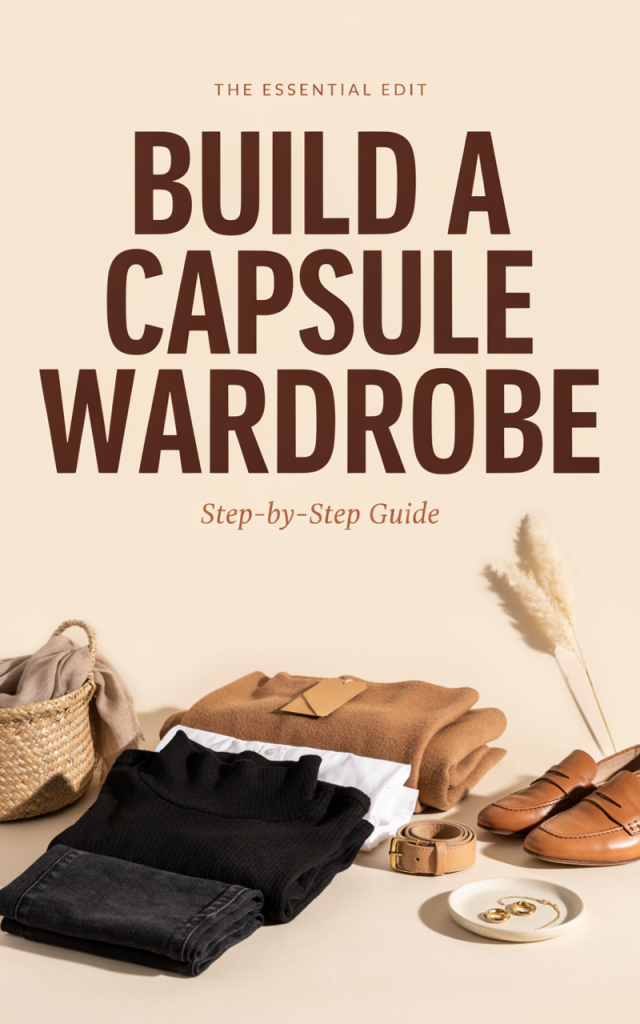
Creating a capsule wardrobe can be life-changing: fewer decision-fatigue mornings, clearer style, and more time for the family. This guide walks you through every step, from auditing what you already own to building a versatile, stretchy closet you actually enjoy wearing — with practical steps tailored for busy stay-at-home moms who want simplicity without sacrificing style.
Why a capsule wardrobe works for moms
– Less clutter and easier laundry rotation.
– Outfits that mix-and-match so you spend less time getting dressed.
– A predictable closet that fits your routine (playdates, errands, school runs, cozy days at home).
Step 1 — Clarify your daily life and style
– What to do: List the activities you do most (school drop-off, grocery runs, virtual meetings, park time).
– Practical steps:
1. Spend 10–15 minutes writing your weekly routine.
2. Note the clothing needs for each activity (comfortable, weather-friendly, quick-change).
3. Choose a style vibe (casual chic, sporty, classic) and 2–3 neutral base colors.
– Time: 30–45 minutes.
– Tip: Focus on function first (pockets, washable fabrics), then on style.
Step 2 — Closet audit: keep, tailor, donate, or store
– What to do: Pull everything out and sort into four piles: keep, tailor, donate, store.
– Practical steps:
1. Try on items quickly — if you felt great in it in the last year, keep it.
2. Tailor anything that would become a go-to with a simple fix.
3. Bag up donate items (schedule a drop-off or pick-up).
4. Store seasonal items to reduce visual clutter.
– Time: 1–2 hours.
– Tip: If you hesitate for more than 15 seconds, it’s probably not a keeper.
Step 3 — Build your capsule foundation (the core pieces)
– What to include: 3-5 quality tops, 2-4 bottoms, 1-2 jackets/cardigans, 2 pairs of shoes, and 1 versatile dress or jumpsuit.
– Practical steps:
1. Choose neutral base colors (black, navy, beige, olive) and 1-2 accent colors/patterns.
2. Prioritize comfortable fits with durable fabrics (cotton blends, knit).
3. Invest slightly more in the pieces you’ll wear most (e.g., a cardigan, a pair of shoes).
– Estimated cost: You can build a functional capsule for $150–$600 depending on whether you shop thrift, fast-fashion, or invest in higher-quality pieces.
Step 4 — Create outfit formulas
– What to do: Write 6–8 outfit formulas (e.g., jeans + tee + cardigan + sneakers).
– Practical steps:
1. Photograph 8 favorite outfit combos on your phone for quick reference.
2. Arrange them in categories: errands, playdate, date night, cozy home.
3. Label outfits in your phone gallery so you can recreate them fast.
– Time: 1 hour.
– Tip: Use pieces across multiple formulas to get the most wear.
Step 5 — Shop mindfully and fill the gaps
– What to do: Only buy items that complete at least three outfit formulas.
– Practical steps:
1. Make a short shopping list of gaps (e.g., a neutral tee, ankle boots).
2. Compare online reviews, sizes, and return policies before buying.
3. Consider secondhand or local resale to save money.
– Estimated incremental cost: $20–$200 per item depending on quality and source.
Step 6 — Care, rotate, and adjust seasonally
– What to do: Maintain the wardrobe so it stays useful and tidy.
– Practical steps:
1. Create a laundry/list rotation so favorite pieces don’t wear out asymmetrically.
2. Repair or replace one item per season.
3. Re-assess the capsule every 3–6 months and swap items in/out.
– Time: 15–30 minutes per month.
Step 7 — Quick-morning routines to save time
– What to do: Use your photographed outfit formulas to decide the night before.
– Practical steps:
1. Pick tomorrow’s outfit and lay it out or hang it together.
2. Prep accessories and shoes so everything is grab-and-go.
3. Keep a small “emergency” kit (stain remover stick, spare tights, safety pins).
– Time saved: 5–15 minutes daily, which adds up.
One business idea you can start from your capsule-wardrobe expertise
Capsule Wardrobe Consulting — a flexible side hustle for moms
Description
Turn your capsule-wardrobe skills into a gentle, flexible business helping other busy parents simplify their closets. Offer remote wardrobe audits, personalized capsule plans, virtual styling sessions, and seasonal refreshes. This is ideal as a low-overhead, home-friendly gig that fits nap schedules and soccer practices.
Practical setup steps
1. Define your services and pricing:
– 30-minute discovery call (free or low-cost).
– 60–90 minute virtual closet audit + personalized capsule plan.
– Add-on: shopping list, outfit-photo pack, or seasonal check-ins.
2. Create simple marketing assets:
– One-page service sheet or PDF outlining process and packages.
– Social proof: offer 2–3 friends or mom-group clients a discount in exchange for testimonials.
3. Build a presence:
– Pin your outfit ideas and mini-guides on Pinterest to attract local and niche clients.
– Consider starting a blog to publish capsule guides, use affordable website hosting, and capture client leads.
– Use social media scheduling tools to batch your posts and keep a steady presence without daily work.
4. Create simple funnels and booking:
– Use an easy booking page and consider building a basic sales funnel to capture inquiries and guide prospects to a consultation.
5. Outsource when needed:
– Hire a designer or VA on Upwork or Fiverr to create brand assets and listing pages.
6. Alternative small income streams:
– Offer mini virtual workshops for mom groups, or monetize a resource list.
– If you want very small, quick earnings while you grow, consider doing surveys on the side, though it won’t replace client income.
7. Scale thoughtfully:
– Package VIP days, downloadable capsule templates, or a course if you want to expand beyond 1:1 work.
– If you build content, consider starting your blog as a long-term lead generator with affordable website hosting.
Estimated startup costs
– Basic: $0–$50 — use phone, free scheduling tools, social channels, and free templates.
– Modest: $50–$300 — invest in a domain and website hosting, a simple logo or branded PDF (Fiverr/Upwork).
– Growing: $300–$1,500 — paid scheduling, professional website, paid ads, or premium social tools like social media scheduling.
– Time investment: Start small with a few hours per week; scale as you get clients.
Quick checklist for your first capsule wardrobe week
– Day 1: Audit and sort.
– Day 2: Choose palette and keep/tailor list.
– Day 3: Photograph outfit formulas.
– Day 4: Make a short shopping list and buy 1–2 high-impact items.
– Day 5: Prep outfits for the week and set a rotation plan.
If you want to grow your capsule-wardrobe consulting into a lasting income, the tools mentioned above (blogging, pins, simple funnels, and outsourcing platforms) make it doable on a family schedule — all while keeping your mornings calmer and your closet happier. Happy building!