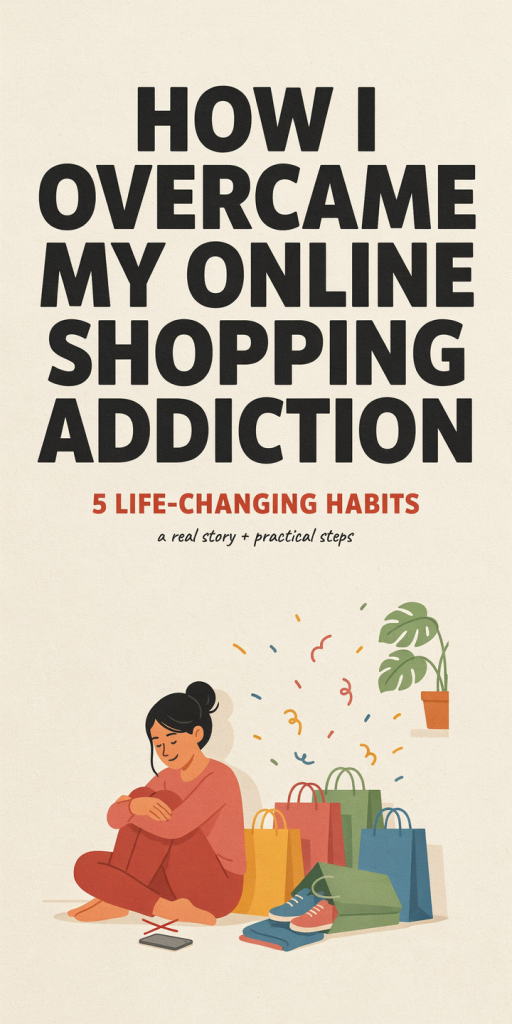
I used to get a notification, click “Buy now,” and five minutes later feel a surge of pleasure followed by a knot of regret. If you’re a stay-at-home mom who’s been down the same rabbit hole, you’re not alone — and you can turn that reflex into something productive. Below are five life-changing habits I adopted that doubled as low-risk business ideas, each with practical setup steps and realistic startup costs so you can replace impulse carts with steady income.
1) Habit: Pause and Plan — Start a Niche Blog that Solves a Problem
Description
Turning that impulse to shop into curiosity about products and solutions helped me create useful content that actually helps other moms. A focused niche blog lets you research helpful products, write honest posts, and monetize via affiliates, ads, or digital products — a sustainable alternative to emotional spending.
Practical setup steps
1. Decide on a niche that blends your experience and demand (e.g., budget baby gear, homeschool activities, or healthy family meals).
2. Follow a step-by-step guide to starting a blog to set up domain, CMS, and your first posts.
3. Get reliable website hosting and install WordPress.
4. Create 5 pillar posts that answer common questions and link them to product-roundup posts.
5. Promote posts using Pinterest and a simple content schedule with social media scheduling.
6. Monetize with affiliate links, ad networks, and one self-made digital product.
Estimated startup costs
– Domain: $10–$15/year
– Website hosting: $5–$30/month depending on plan
– Theme/plugins (optional): $0–$100 one-time
Total estimated first-month cost: $20–$150
Ready for a quick start?
2) Habit: Make an Intentional Wait — Create a Small Digital Product with a Sales Funnel
Description
Instead of buying another planner, I built a simple printable and sold it. Creating a low-effort digital product (checklists, meal plans, or how-to PDFs) gives you recurring sales without inventory. Pair that product with a clear sales funnels strategy to automate conversions.
Practical setup steps
1. Brainstorm small, specific problems you can solve in a 1–10 page pdf.
2. Design the product in Canva or Google Docs and export as PDF.
3. Set up a landing page and email capture — use a beginner-friendly funnel builder or follow tutorials on creating effective sales funnels.
4. Drive traffic from your blog, social pins, and simple paid ads if you want speed.
5. Automate follow-up emails to upsell or gather feedback.
Estimated startup costs
– Design tools: $0–$12/month (Canva Pro optional)
– Funnel software/email: $0–$50/month depending on tools
– Minimal ad spend (optional): $20–$100 first month
Total estimated first-month cost: $0–$160
3) Habit: Reassign the Cart — Offer Freelance Services on Upwork or Fiverr
Description
When the urge to buy struck, I spent 30 minutes offering a skill instead — and earned my “treat” instead of buying it. Freelance work is flexible and immediately monetizable, and platforms like Upwork and Fiverr make it simple to find gigs for writing, virtual assistance, design, or simple admin tasks.
Practical setup steps
1. List the skills you can offer in short blocks (e.g., 2-hour social caption packages, basic blog editing).
2. Create profiles on Upwork and Fiverr.
3. Offer clear packages, include samples, and price competitively to get your first reviews.
4. Use client time blocks — e.g., one morning per week — so work doesn’t overwhelm family time.
Estimated startup costs
– Account setup: free
– Optional portfolio hosting on your blog: website hosting cost if you choose to build a personal site
Total estimated first-month cost: $0–$30
4) Habit: Replace Impulse with Micro-Earnings — Take Surveys and Do Microtasks
Description
I swapped a $20 impulse buy for 20 minutes of productive tasks. Doing short online tasks or surveys can earn small amounts that add up — perfect for when you need a low-effort, immediate reward.
Practical setup steps
1. Sign up for reputable survey and microtask sites and set aside 15–30 minutes per day.
2. Use surveys and microtasks as a planned replacement for impulse browsing (e.g., 1 survey = treat).
3. Track your time-to-earn rate so you know which tasks are worth your time.
Estimated startup costs
– None; time investment only
Total estimated first-month cost: $0
5) Habit: Automate Temptation — Schedule Content and Build Passive Funnels
Description
Automating promotional work meant I no longer scrolled stores for inspiration. Tools for social media scheduling and scheduled pins on Pinterest keep your audience engaged while you focus on family. Combine scheduled promotion with a simple blog or funnel and you build passive momentum.
Practical setup steps
1. Decide a minimal weekly content plan (1–2 pins/posts).
2. Use a social media scheduling tool to batch-create and schedule a month’s worth of posts in a couple of hours.
3. Create evergreen pins for Pinterest that link back to your blog posts or product pages.
4. Connect those pages to your automated email sequences or sales funnels so new visitors enter a conversion path.
Estimated startup costs
– Social media scheduling tool: $0–$20/month
– Optional pin/design tools: $0–$10/month
Total estimated first-month cost: $0–$30
These five habits gave me clarity, replaced impulse purchases with intentional earning, and slowly built small income streams that felt sustainable. If you’re juggling kids and housework, pick one habit this week, try the practical steps, and track whether it reduces impulse buys — you’ll be surprised how quickly small behavior changes compound into both savings and steady side income.