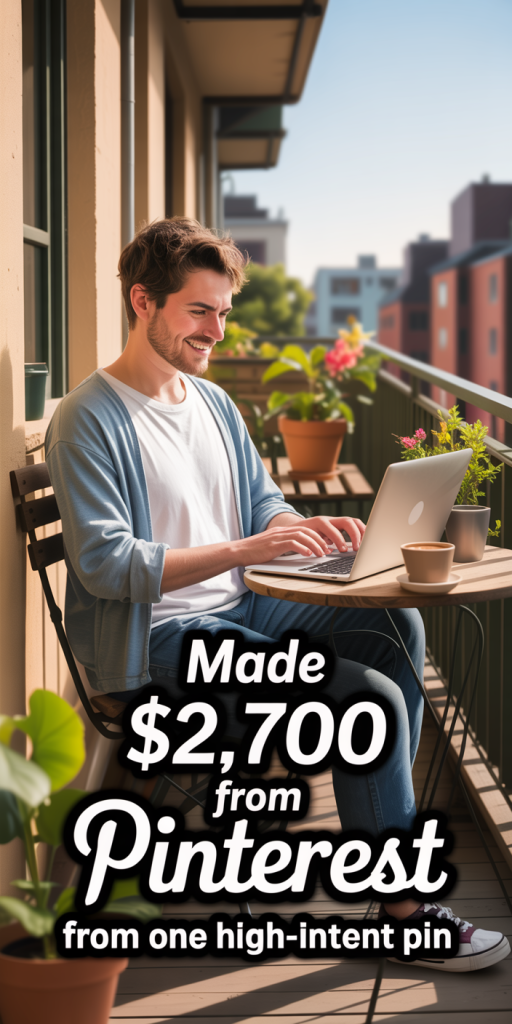
In the vast world of social media marketing, Pinterest often gets overlooked in favor of platforms like Instagram and Facebook. But, Pinterest is a powerhouse for driving traffic and generating sales, particularly when we hone in on high-intent pins. We discovered a unique formula that led to a remarkable return on investment, turning a single pin into a $2,700 payday. In this text, we’ll share how we achieved this success and how you can replicate our results by understanding high-intent pins, creating engaging visuals, promoting strategically, and analyzing performance.
Understanding High-Intent Pins
What Makes a Pin High-Intent?
High-intent pins are those that indicate clear purchasing or engagement intention. They resonate with users who are not just browsing but actively seeking solutions or products. We noticed several characteristics that make pins stand out:
- Specificity: Our pin directly addressed a problem or need rather than being vague. For example, instead of simply showcasing a product, we highlighted how it solves a specific issue.
- Strong Visuals: High-quality images or graphics draw the eye and communicate professionalism. Our pin featured vibrant colors and clear text, which made it easily digestible.
- Compelling Descriptions: We used persuasive language combined with targeted keywords to not only describe what the pin was about but also to evoke emotions and spark curiosity.
By understanding these elements, we were able to craft a pin that stood out in a crowded market.
Identifying Your Target Audience
Knowing who we were targeting was critical. We focused on defining our ideal audience, demographics, preferences, and behaviors. Using Pinterest’s analytics, we found the interests of our followers, which helped us tailor our content effectively. Conducting surveys and engaging with our audience also provided valuable insights into their needs, allowing us to create highly relevant content that resonated with them. This foundational step was key to ensuring we attracted high-intent users who were much more likely to convert.
Ready To Build A More Flexible Income Stream?
Creating Engaging Visuals
Design Principles for Success
Creating engaging visuals is at the heart of any successful Pinterest strategy. Here are a few design principles we followed:
- Branding Consistency: We ensured our visuals reflected our brand colors, fonts, and styles. This consistency helps build brand recognition and trust over time.
- Use of Text Overlay: We added a catchy title or description on the pin itself, which helped convey the message even if users couldn’t read the entire description at a glance.
- Aspect Ratios: We adhered to Pinterest’s preferred 2:3 aspect ratio for vertical images. This format not only looks better but generally performs better in terms of engagement.
- Clear Call to Action: Our pin featured a compelling call to action (CTA), encouraging viewers to click through. Something like “Learn More” or “Get Yours Today” creates an urgency that can drive clicks.
Implementing these principles helped us create visually appealing pins that not only attracts attention but also encourages users to take action.
Using Keywords Effectively
Keywords are vital for getting our pin discovered. We researched relevant keywords using Pinterest’s search bar, exploring what our target audience was searching for. Here’s how we smartly integrated keywords:
- Pin Titles and Descriptions: We crafted engaging titles and filled our descriptions with relevant keywords without making it feel forced.
- Hashtags: Although not the primary search method on Pinterest, using a couple of relevant hashtags can help categorize our pins and increase visibility.
- Alt Text: Where applicable, we also used alt text effectively, ensuring our images were optimized for searches too.
By strategically using keywords, we improved our pin’s visibility, attracting clicks from users actively looking for solutions.
Promoting Your Pin Strategically
Leveraging Group Boards and Communities
To amplify our reach, we collaborated with other users through group boards. Participating in boards relevant to our niche allowed us to showcase our pin to a broader audience. We looked for boards with engaged followers who actively repinned and interacted with posts, increasing the likelihood of our pin being shared.
Analyzing Performance and Metrics
Key Metrics to Track
Once our pin was live and actively being engaged with, we started monitoring several key performance indicators (KPIs) to measure its effectiveness:
- Impressions: This metric showed how many users had seen our pin.
- Clicks: The number of clicks helped us understand how many users were intrigued enough to visit our website.
- Saves: Tracking saves showed the level of interest and intent among users for future engagement with our content.
By keeping a close eye on these metrics, we identified what was working and what needed fine-tuning.
Adjusting Strategy Based on Insights
As we gathered data, we realized that certain visuals and CTAs performed significantly better than others. Armed with this insight, we made adjustments to our content and promotional strategies. For instance, we noticed that more vibrant colors produced a higher engagement rate, leading us to revise our visual content accordingly.
Lessons Learned and Future Strategies
Applying Insights to Other Platforms
Our success on Pinterest encouraged us to explore similar strategies across other social media platforms. While the specifics of each platform vary, the principles of high-quality visuals, strategic keyword usage, and understanding our audience remained consistent. We began adapting our best-performing Pinterest content for Instagram and Facebook, using their unique formats to maximize engagement.
Scaling Your Pinterest Efforts
With one successful pin under our belt, we realized the importance of scaling our efforts. We began testing multiple pins simultaneously and analyzing which ones resonated best with our audience. This approach allowed us to diversify our content strategy and discover new avenues for engagement and revenue generation. Also, we created a content calendar to ensure a consistent flow of new pins and updates, ensuring we stayed relevant in our niche.
The journey of creating a high-intent pin that generated $2,700 has been incredibly enlightening. We learned that success on Pinterest isn’t just about having good visuals: it’s a strategic interplay of understanding our audience, utilizing effective design, promoting proactively, and continuously optimizing based on performance feedback. As we move forward, we’re excited to scale our Pinterest efforts and apply these lessons across other platforms, maximizing our potential for growth and engagement.