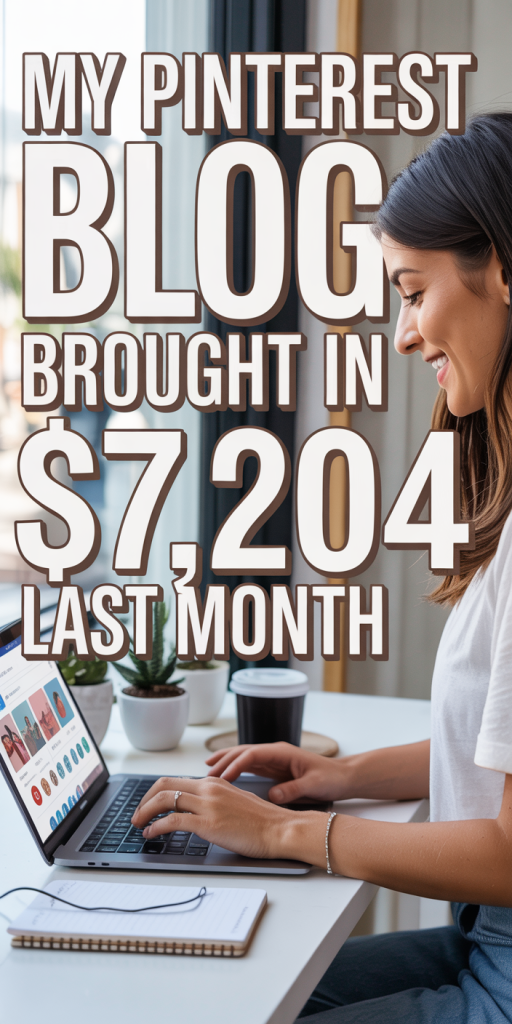
In the vast ocean of online Income ideas, Pinterest has carved out an incredible niche. We stumbled upon a golden opportunity, transforming our Pinterest blog into a successful revenue generator, and last month, it brought in an astounding $7,204. This success didn’t happen overnight: it was a vibrant journey of learning, strategizing, and engaging with our audience. Join us as we take you through our proven steps and insights that can help you harness the power of Pinterest just like we did.
The Journey to Monetizing My Pinterest Blog
The world of blogging is ever-evolving, and for us, the leap into monetizing our Pinterest blog was both thrilling and intimidating. It started with passionate pinning and learning about the platform’s vast potential. Here’s how we broke it down.
Finding My Niche and Target Audience
The first step was to identify a niche that not only resonated with us but would also attract a dedicated audience. We explored various topics, from home decor to health tips, until we found our sweet spot: DIY crafts. By focusing on this niche, we weren’t just chasing trends: we were building a community around shared interests.
Understanding our audience was equally crucial. We delved into their preferences and pain points, crafting content that directly addressed their needs. Surveys and Pinterest Analytics became our best friends in this journey, offering insights that helped us refine our approach.
Creating High-Quality Content That Resonates
Once we identified our niche and audience, the next step was creating high-quality content. In the Pinterest ecosystem, engaging visuals and well-written descriptions are key. We dedicated time to ensure that our pins not only looked good but also provided value. This meant researching, designing eye-catching graphics, and writing compelling descriptions stuffed with keywords. After all, good content is shareable content.
Crafting great content also meant maintaining a balance between our unique voice and the types of content our audience craved. Projects that were relatable, engaging, and easy to follow received the most shares and comments, which in turn enhanced our visibility on the platform.
Ready To Build A More Flexible Income Stream?
Building a Strong Pinterest Strategy
With a niche defined and content on point, we needed a solid Pinterest strategy to channel our efforts effectively. We understood that just popping up on Pinterest wasn’t enough: we needed to ensure our pins reached a wider audience.
Pinterest SEO: Key Techniques for Visibility
To enhance our visibility, we dove deep into Pinterest SEO. Proper keyword research became our game changer. We started using tools like Pinterest’s own search bar to find trending keywords in our niche. Pins infused with these keywords in titles and descriptions were bound to attract more engagement.
Also, we employed board optimization by creating specific boards that were well-categorized and keyword-rich. Each board was an opportunity to amplify our content and attract niche-specific followers.
Leveraging Rich Pins and Graphics
Rich Pins were another tactic we embraced wholeheartedly, they offer more context about an idea and make our pins stand out amongst the crowd. We utilized Article Rich Pins, which allowed our blog post titles, descriptions, and featured images to automatically sync with our site. This not only created a professional look but also increased our click-through rates significantly.
Also, our graphics played a huge role in our strategy. Bright colors, clear fonts, and stunning images helped capture attention quickly. We designed every pin with the goal of evoking curiosity, prompting users to click through to our blog.
Engaging with Pinterest Communities
A crucial but often overlooked aspect of our Pinterest strategy was engaging with the Pinterest community. These connections paved the way for collaboration and exponential growth.
Collaborating with Influencers and Other Pinners
We began reaching out to influencers and other bloggers within our niche, proposing collaborations that could benefit both parties. By co-hosting Pinterest group boards, we not only expanded our reach but attracted a more engaged audience. These collaborations allowed us to use each other’s existing followers, amplifying our pin visibility.
Participating in Pinterest challenges and community projects also helped us gain traction. Sharing our content in relevant forums brought organic traffic back to our blog, enhancing our credibility in the DIY niche.
Analyzing Pinterest Trends and Data
Continuous improvement was at the heart of our strategy, and analyzing data was our compass.
Tracking Performance Metrics and Adjusting Strategies
Using Pinterest Analytics, we closely monitored what types of pins were yielding the highest engagement. Understanding these metrics allowed us to pivot our strategy efficiently. What worked well in one quarter didn’t necessarily hit the mark the next, staying flexible was key.
The Role of Affiliate Marketing in My Success
Affiliate marketing became a game changer. We partnered with brands that aligned with our niche and linked to their products within our pins. Each time a follower clicked through our pin and made a purchase, we earned a commission. This not only created an additional revenue stream but also infused extra value into our content, guiding our audience toward trusted products.
Our journey into Pinterest blogging has been nothing short of transformative. From identifying our niche to engaging our audience and leveraging analytical data, we have built a flourishing blog that brought in $7,204 last month.
This experience has bolstered our confidence as creators and entrepreneurs. The meticulous strategies and collaborative spirit have laid a solid foundation for the future. For anyone looking to harness the power of Pinterest, our advice is simple: stay dedicated, be curious, and always strive to connect with your audience. Remember, the potential is there: you just need to tap into it.